The Direct Answer: The Rental Pivot
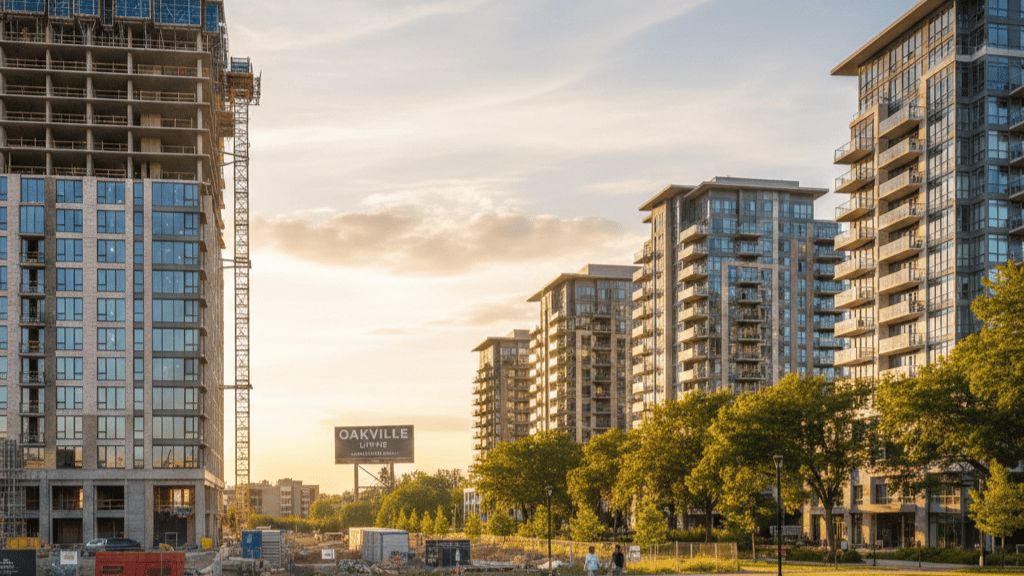
In 2026, purpose-built rentals are expanding significantly faster than ownership condos in Oakville. While condo starts have hit a decade-low due to high construction costs and sluggish pre-construction sales, purpose-built rental projects have become the primary driver of new housing starts. Supported by government GST waivers and high demand for stable housing, developers are prioritizing rental inventory over traditional "for-sale" condominium units across the Halton Region.
The Deep Dive
The shift we are witnessing in 2026 is what economists call a "Perfect Storm" for the housing supply chain. The traditional model of investor-funded condo towers has stalled; pre-construction sales in the GTA fell to multi-decade lows over the last two years, leaving many proposed ownership projects without the necessary financing to break ground. Conversely, the purpose-built rental (PBR) sector has surged, buoyed by federal incentives like the elimination of GST on rental construction and favorable CMHC financing terms.
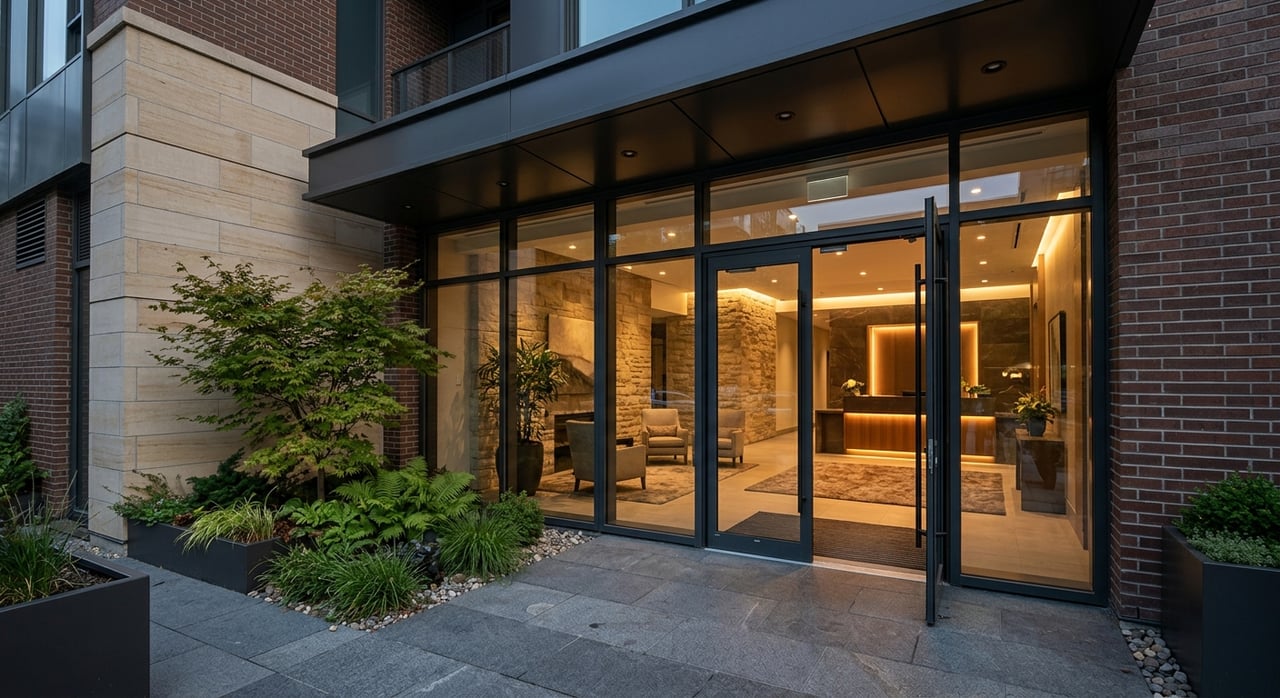
For Oakville residents, this means the "crane landscape" is changing. Developers are no longer just selling units; they are building long-term assets. This shift provides a crucial release valve for a market where the average one-bedroom rent in Oakville has hit $2,199 (February 2026 data). These modern rental buildings offer a level of security and professional management that secondary-market condo rentals simply cannot match, making them the preferred choice for Oakville's growing "renter-by-choice" demographic.
Local Nuance: Oakville’s Shifting Skyline
In Oakville, the expansion of purpose-built rentals is concentrated in high-growth corridors like North Oakville (Glenorchy) and the Uptown Core. While south-end neighborhoods like Bronte Village remain the gold standard for luxury ownership condos primarily serving downsizers the north is seeing a massive influx of rental density.
Key local factors driving this trend include:
-
The "North Oakville" Pipeline: The bulk of new multi-unit starts are occurring near the Dundas and Trafalgar hub, where infrastructure is designed for higher density.
-
Stability Over Ownership: Many young professionals in the Joshua Creek area are opting for new purpose-built rentals to avoid the volatility of "own-use" evictions common in investor-owned condos.
-
Municipal Targets: Oakville’s commitment to facilitating 33,000 new homes by 2031 has led to streamlined approvals for high-density rental projects over low-density freehold developments.
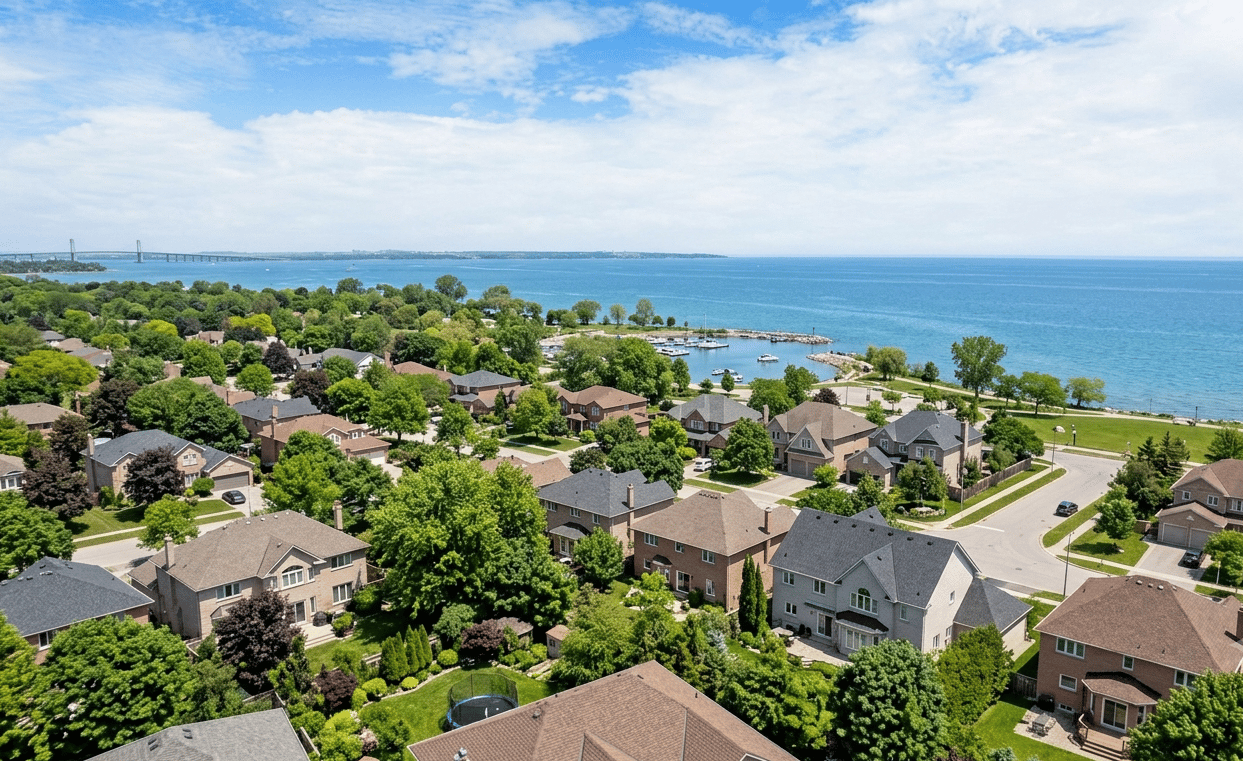
Despite the rise in rental supply, Oakville remains one of the most expensive markets in Ontario. The scarcity of new freehold inventory continues to support high valuations for existing detached homes in established pockets like Glen Abbey and Old Oakville.
2026 Market Summary:
-
Rental Dominance: Purpose-built starts are outpacing condo starts as developers seek institutional stability.
-
Price Resilience: Despite increased rental supply, Oakville's average rent remains 35% higher than the national average.
-
Developer Strategy: Shift from "sell-and-exit" condo models to "build-and-hold" rental portfolios.
Plan Your Next Move
Navigating the complexities of the 2026 Oakville market requires a partner who understands the nuance between ownership and rental trends. Whether you are looking to sell a high-demand freehold property or secure a strategic investment, we provide the data-driven clarity you need.
Contact Martin Group today to discuss your Oakville real estate goals.
"Profit from our experience."