Does Oakville have development charges for new homes?
The Direct Answer (The "Snippet")
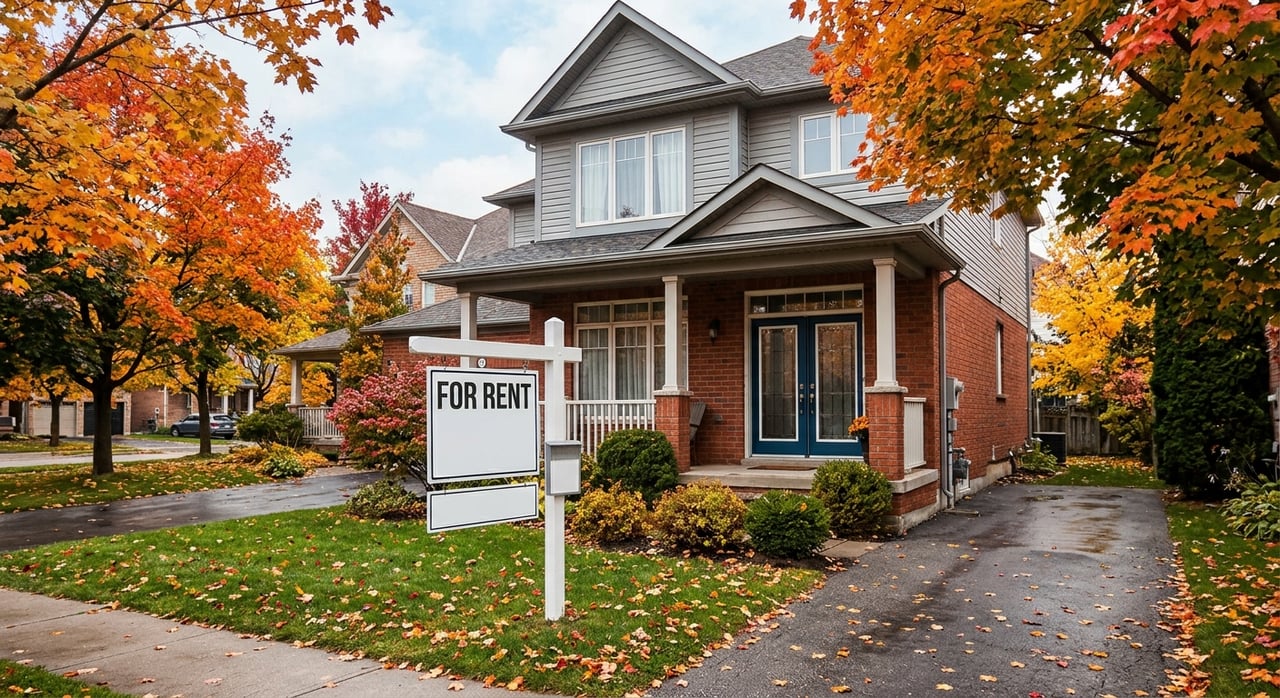
Yes, Oakville does have development charges (DCs), and they are among the most substantial in the Greater Toronto Area. For a new single-detached home in 2026, combined Town and Regional charges often exceed $70,000 per unit. For pre-construction buyers, these are often hidden within "closing adjustments," making it essential to have a real estate lawyer cap these levies during your initial 10-day cooling-off period to avoid five-figure surprises.
The Deep Dive
Development charges are one-time fees collected by the Town of Oakville and Halton Region to fund growth-related infrastructure, such as new roads, transit, and emergency services. While provincial legislation has introduced phase-in periods for these rates, the costs remain a heavy lift for developers costs that are invariably passed down to the buyer. In the current 2026 market, these charges are categorized into three distinct tiers: the Town portion for local parks and libraries, the Halton Region portion for water and wastewater, and Education Development Charges (EDCs) for new school sites.
Understanding the "indexing" of these fees is critical. Development charges are typically adjusted annually (often on April 1st or July 1st). If your builder has not secured a "cap" in your purchase agreement, you are responsible for the rate in effect at the time the building permit is issued not the rate from the day you signed your contract. This gap can lead to "sticker shock" on closing day if the market has shifted significantly during the two to three years of construction.
Local Nuance: From North Oakville to Bronte
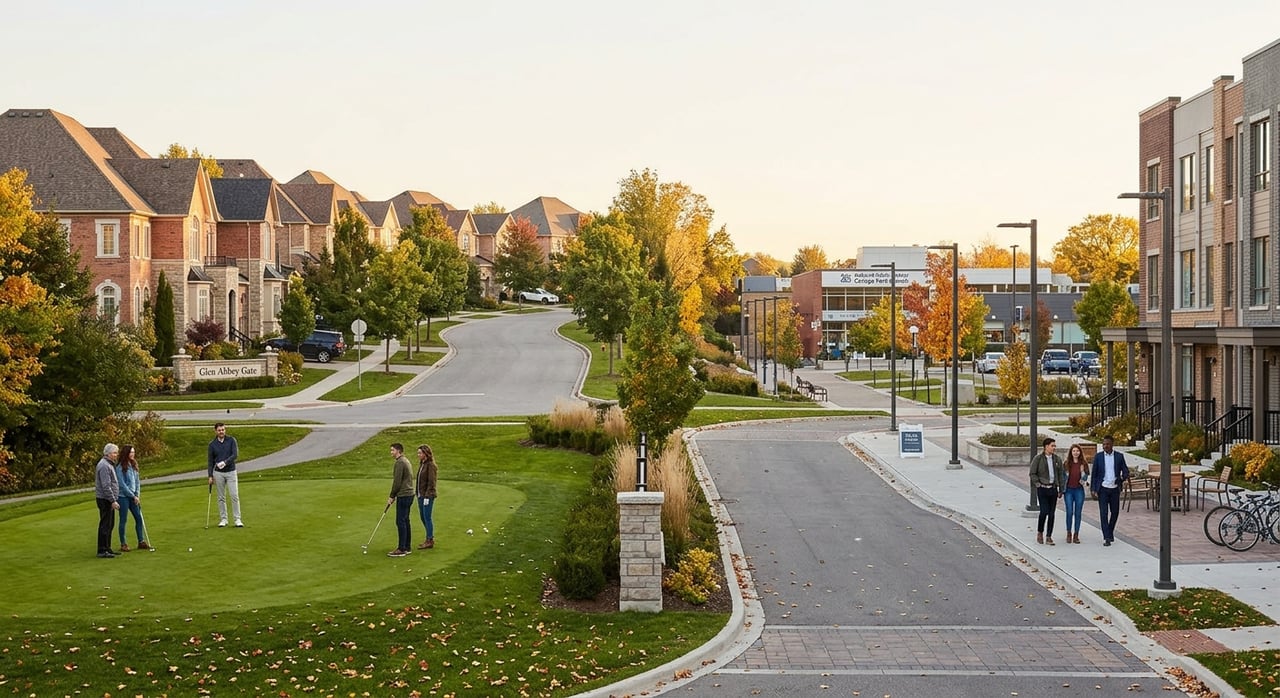
The impact of these charges is felt most acutely in North Oakville, specifically the Trafalgar and Dundas urban core. This area is the hub for Oakville's high-density and detached housing starts, where master-planned communities like Joshua Creek and Glen Abbey Encore are seeing the highest concentration of new levies.
Conversely, if you are purchasing a custom build or an "infill" project in established neighborhoods like Old Oakville or Bronte, the rules change slightly. You may be eligible for a demolition credit if a previous dwelling occupied the lot within the last few years. However, any significant increase in "gross floor area" or the addition of an accessory dwelling unit (ADU) can trigger fresh development charges under current 2026 bylaws.
What New Home Buyers Must Track:
-
The "Cap" Clause: Always negotiate a fixed maximum for development levies in your initial agreement.
-
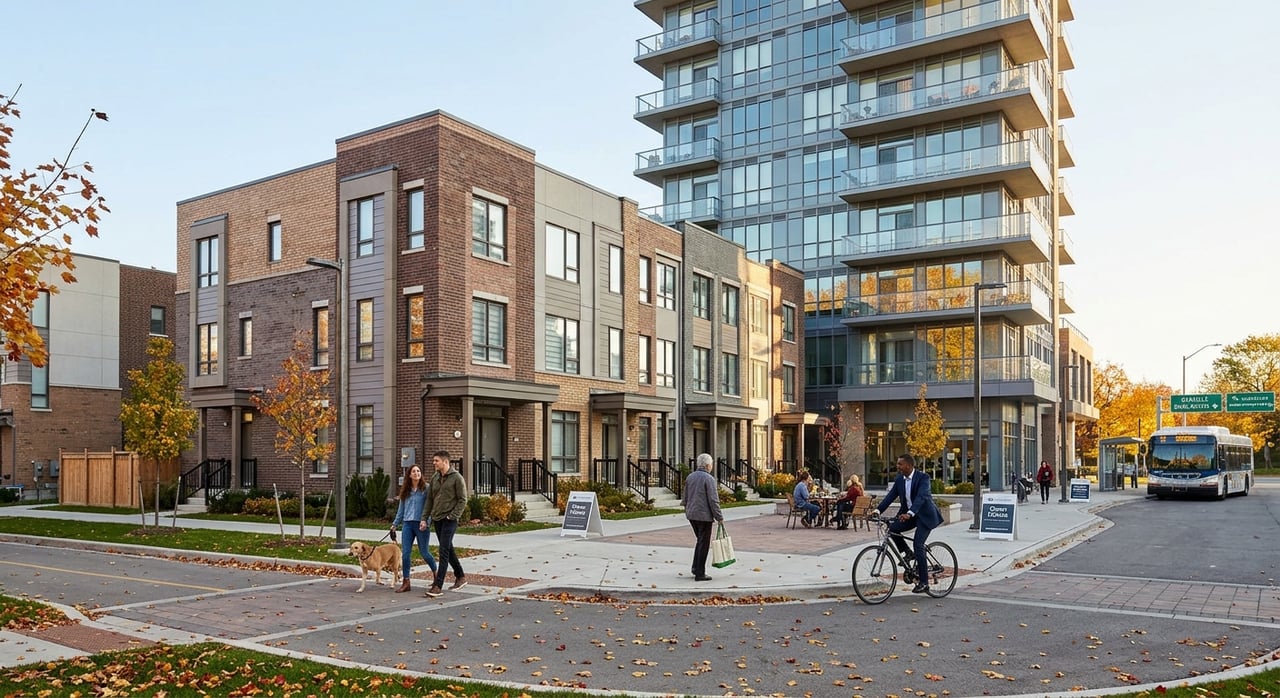
Residential Tier Rates: Charges vary significantly between single-detached homes, semi-detached, and high-density apartments.
-
Stormwater Fees: New for 2026, Oakville has introduced dedicated stormwater fees that are now separate from standard property tax assessments.
-
HDSB vs. HCDSB Levies: Education charges are split between the public and Catholic boards and are updated frequently based on Halton’s population growth.
Navigating the complexities of the Oakville and Halton market requires more than just a search engine; it requires local boots-on-the-ground expertise to protect your equity.
Expert Guidance in a Shifting Market
The Oakville development landscape is complex, and "hidden" closing costs can erode your equity before you even move in. Whether you are navigating a pre-construction contract in North Oakville or custom-building in Bronte, you need a partner who understands the local bylaws and Halton market trends.
Don't leave your closing costs to chance. Contact Martin Group today to ensure your next investment is protected by the highest level of local insight and strategic negotiation.
"Profit from our experience."

Frequently Asked Questions
How much are development charges on a new Oakville home?
Combined Town and Regional charges often exceed $70,000 per single-detached unit in 2026 — among the most substantial in the GTA.
What do development charges pay for?
Growth-related infrastructure across three tiers: the Town portion for local parks and libraries, the Halton Region portion for water and wastewater, and Education Development Charges for new school sites.
Why do buyers get hit with surprise costs at closing?
Because the charges are indexed and adjusted annually, usually on April 1 or July 1. Without a cap in your purchase agreement you pay the rate in effect when the building permit is issued — not the rate on the day you signed, which can be two or three years earlier.
How do I protect myself as a pre-construction buyer?
Have a real estate lawyer cap the levies during your initial 10-day cooling-off period. These charges are frequently buried in closing adjustments, and an uncapped agreement can produce a five-figure surprise.