The Direct Answer (The "Snippet")
The Livable Oakville Plan (the Town’s Official Plan) provides the policy framework to meet Ontario’s mandate of 33,000 new homes by 2031. By directing high-density growth to "Nodes and Corridors" specifically Midtown, Uptown Core, and the Bronte GO area the plan protects the character of established residential neighborhoods while accelerating housing starts through streamlined approvals and updated zoning, effectively balancing provincial density requirements with local livability.
The Deep Dive
As we move through 2026, the Oakville housing market is navigating a significant transformation. The Town has committed to a "Housing Pledge" to facilitate 33,000 new units, a goal that requires a massive acceleration in development. To achieve this without compromising Oakville’s prestige, the Town has implemented a Housing Strategy and Action Plan that integrates directly with the Livable Oakville Plan. This strategy uses "Strategic Growth Areas" to absorb the majority of high-density builds, ensuring that infrastructure like transit and schools keeps pace with the population surge.
Recent data shows Oakville is rising to the challenge. In 2025, the Town surpassed its annual provincial targets, earning millions in Building Faster Fund rewards. This success is driven by a shift toward a "Transit-Oriented" model. By focusing construction around the Oakville GO and Bronte GO stations, the Town is creating high-frequency hubs that appeal to professionals while keeping heavy traffic away from quiet side streets.
Local Nuance: Beyond the High-Rises
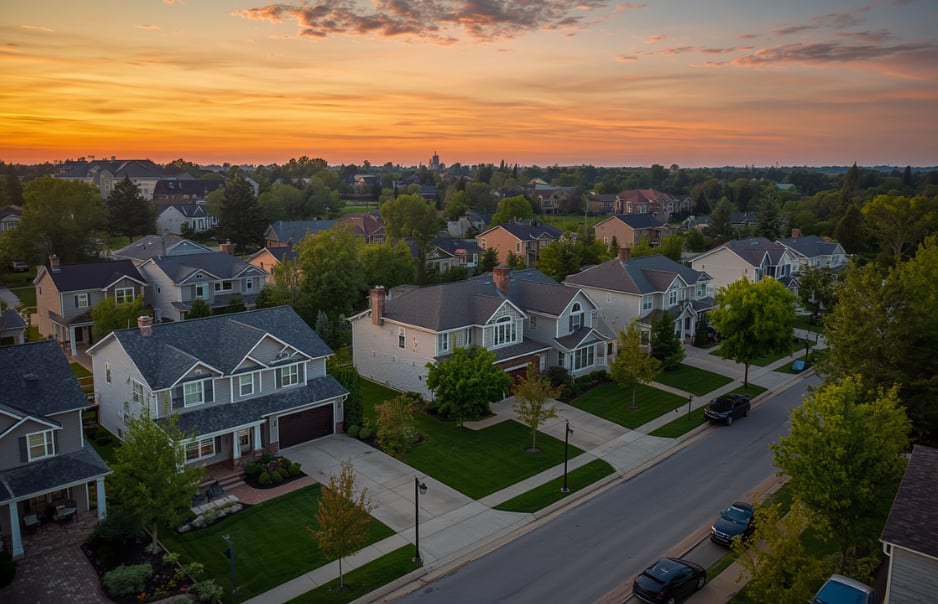
While the 33,000-unit target often brings images of cranes in Midtown, the Livable Oakville Plan also impacts established neighborhoods like Glen Abbey, River Oaks, and Joshua Creek through "Gentle Density."
-
Additional Dwelling Units (ADUs): Oakville’s zoning now allows up to four units on a lot with a detached house (three with a semi-detached or townhouse), making garden suites a viable investment for local homeowners.
-
Midtown Revitalization: The 100-hectare Midtown zone is being reimagined with 40+ storey towers, but with a focus on "complete communities" that include parks and civic spaces.
-
North Oakville Expansion: Ongoing development north of Dundas remains a primary engine for new freehold and townhome inventory, catering to the "move-up" buyer segment.
For South Oakville residents, these provincial mandates mean that while your immediate streetscape remains protected, the overall town is becoming more urbanized and interconnected.
Contact Martin Group
Navigating the complexities of the Livable Oakville Plan requires a partner who understands both the policy and the street-level impact on property values. Whether you are looking to invest in a transit-aligned condo or sell a legacy home in a protected enclave, we provide the data-driven insight necessary to win in 2026.
Contact Martin Group today to discuss your next move in the Oakville market.
"Profit from our experience."

Frequently Asked Questions
What is Oakville's housing target?
33,000 new homes by 2031 under the Town's Housing Pledge, in response to the provincial mandate. The Livable Oakville Plan is the policy framework for delivering them.
Where will the new housing go?
Primarily into Strategic Growth Areas — Nodes and Corridors including Midtown, the Uptown Core and the Bronte GO area. Directing density there is what protects the character of established residential neighbourhoods.
Is Oakville meeting its targets?
In 2025 the Town surpassed its annual provincial targets and earned millions through the Building Faster Fund. The approach has been to streamline approvals rather than loosen standards across the board.
What is happening in Midtown Oakville?
The 100-hectare Midtown zone is being reimagined with towers of 40-plus storeys, planned as complete communities with parks and civic spaces rather than residential towers alone.
How does the plan affect established neighbourhoods?
Through gentle density. Oakville’s zoning allows up to four units on a lot with a detached house, and three with a semi-detached or townhouse, making garden suites viable in Glen Abbey, River Oaks and Joshua Creek. Unit limits have been revised more than once, so confirm the current figure for your zone with the Town.
Why focus growth around the GO stations?
A transit-oriented model creates high-frequency hubs that appeal to professionals while keeping additional traffic off quiet residential side streets. It is the central trade-off the plan is built around.