The Direct Answer (The "Snippet")
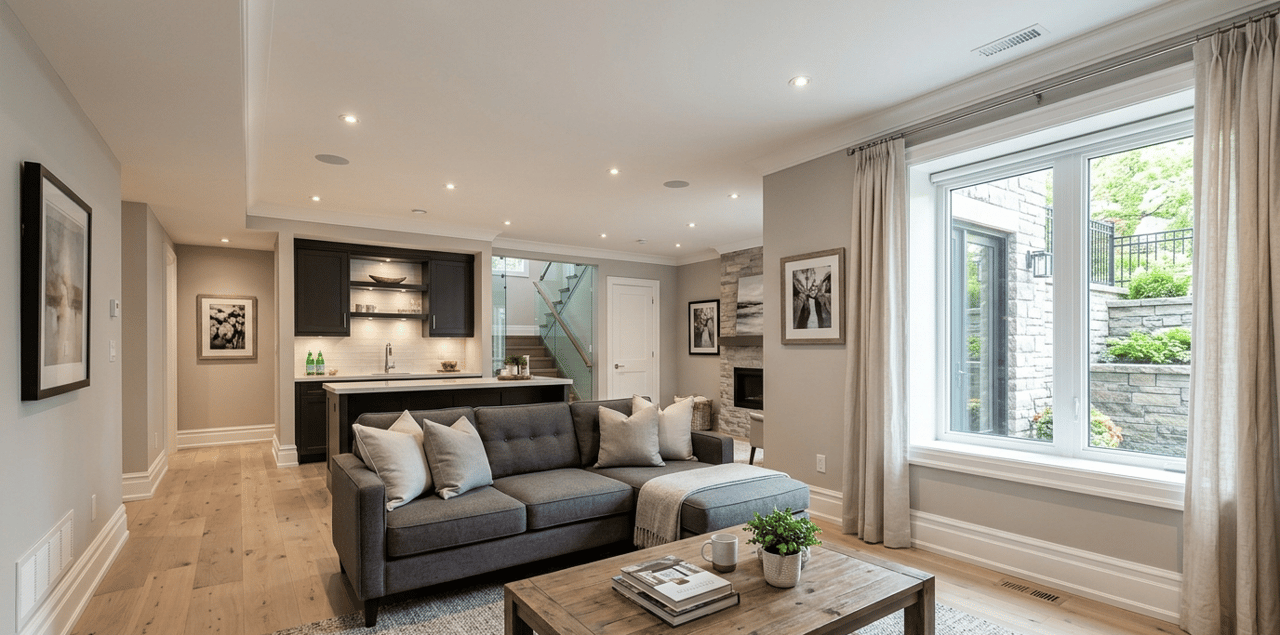
Yes, title insurance typically covers losses from zoning non-compliance for a finished basement, provided the violation existed before you purchased the home and was unknown to you. In Oakville, if the Town issues a work order to remedy or remove an illegal basement suite because it lacks proper permits or violates density bylaws, your policy may cover the legal fees and construction costs required to bring the space into compliance.
The Deep Dive
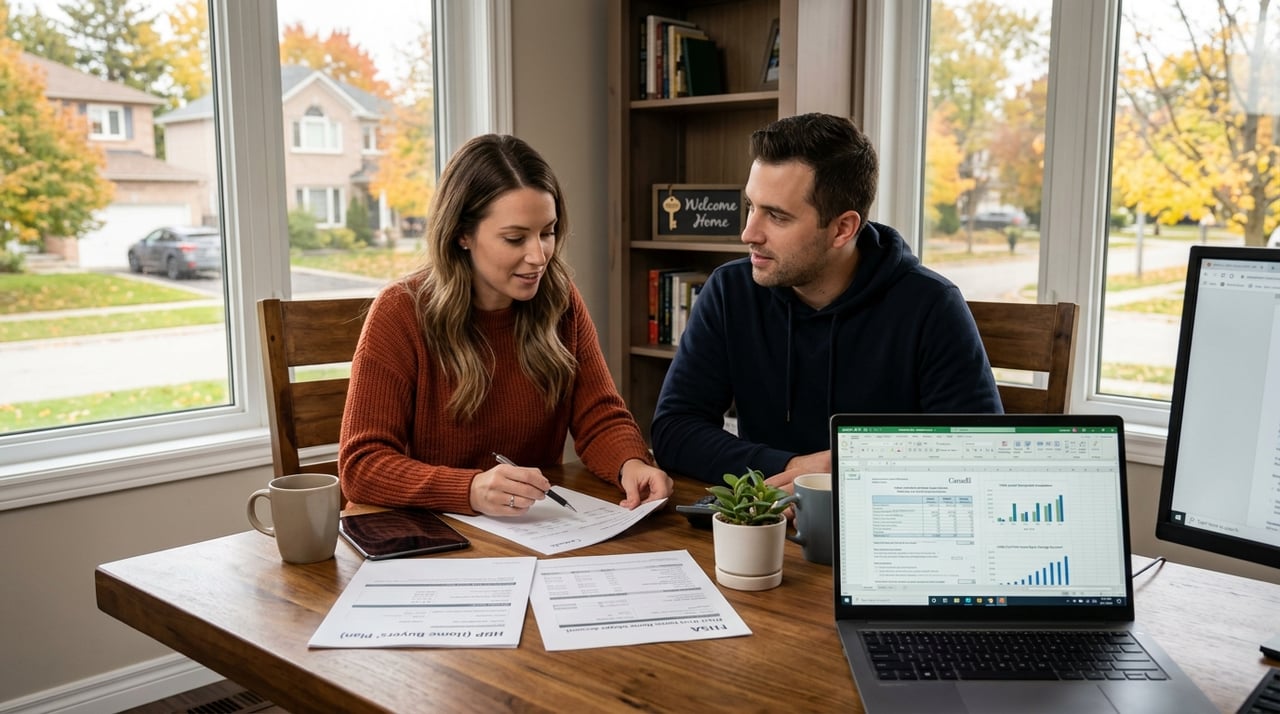
Title insurance is a unique form of protection that looks backward rather than forward. Unlike standard home insurance, which covers future accidents like fires or floods, title insurance protects you against "hidden" defects in your property's legal standing that occurred under previous ownership. For a finished basement, this usually manifests as a lack of building permits or a violation of local zoning bylaws.
If you unknowingly purchase an Oakville home with a finished basement that turns out to be unpermitted, you could face significant financial strain. If the municipality discovers the infraction, they may issue an Order to Comply, forcing you to strip drywall for inspections, upgrade fire separations, or even remove kitchen facilities. Most comprehensive policies include a "Duty to Defend," meaning the insurer will manage legal negotiations with the Town and pay for corrective construction up to your policy limits.
However, it is vital to understand the limitations:
-
Knowledge is an Exclusion: If the seller disclosed the lack of permits in the Agreement of Purchase and Sale, or if you were aware of the issue before closing, the insurance company will likely deny the claim.
-
Post-Closing Work: If you finish the basement without a permit after moving in, title insurance provides zero coverage for those self-created risks.
-
Multi-Unit Endorsements: While a standard policy covers a personal-use basement, if you intend to use it as a rental suite, you may need a specific "multi-unit" endorsement to ensure the zoning for a secondary dwelling is protected.
Local Nuance
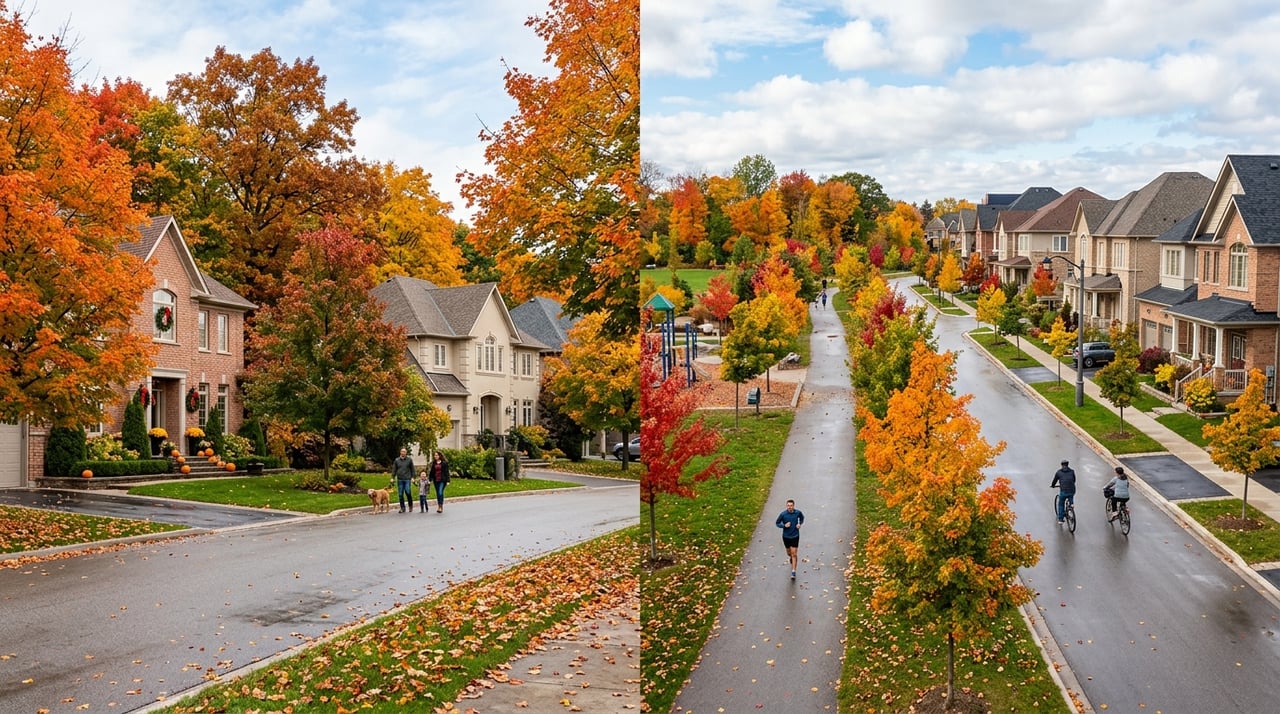
In the 2026 Oakville market, the Town’s Additional Residential Unit (ARU) Registry has become a focal point for compliance. Oakville maintains strict requirements for basement apartments, particularly regarding egress windows and fire safety in neighborhoods like Joshua Creek or Glen Abbey, where many homes were built under older iterations of the Ontario Building Code.
Furthermore, if your property is in an area with specific parking restrictions common in high-density pockets of Old Oakville or Bronte a basement suite that violates "minimum parking space" zoning could trigger a municipal violation. Title insurance acts as the primary safety net protecting Oakville buyers from the five-figure costs associated with "legalizing" a suite that was advertised as move-in ready but never actually registered.
What is typically covered?
-
Work Orders: Costs to add fire-rated drywall or egress windows required by the Town.
-
Legal Defense: Professional representation to handle municipal disputes regarding your property's title.
-
Encroachments: Issues where a structure (like a walk-up entrance) encroaches on a neighbor's lot in West Oak Trails or River Oaks.
-
Survey Errors: Protection if an old survey incorrectly identified the property's set-back requirements.
Protect Your Investment
Navigating the complexities of Oakville’s zoning bylaws requires a team that understands the local landscape inside and out. Whether you are buying an executive home in Southeast Oakville or looking for a property with income potential in North Oakville, we ensure your interests are protected at every turn.
Contact Martin Group today to ensure your next real estate move is a secure one.
"Profit from our experience."

Frequently Asked Questions
Does title insurance cover an unpermitted basement?
Usually yes, provided the violation existed before you bought and you did not know about it. If the Town issues an order to remedy or remove an illegal suite, your policy may cover the legal fees and the construction needed to bring it into compliance.
What could the Town actually make me do?
Issue an Order to Comply, which can mean stripping drywall for inspection, upgrading fire separations, or removing kitchen facilities. Most comprehensive policies include a duty to defend, so the insurer negotiates with the Town and pays corrective costs up to your limits.
When would a claim be denied?
Two common situations. If the seller disclosed the missing permits in the Agreement of Purchase and Sale, or you knew before closing, the insurer will likely deny it. And if you finish the basement without a permit after moving in, there is no coverage at all for that self-created risk.
Do I need extra coverage to rent the basement out?
Probably. A standard policy contemplates personal use; renting it as a secondary suite may require a specific multi-unit endorsement so the zoning for a second dwelling is protected.