The Direct Answer
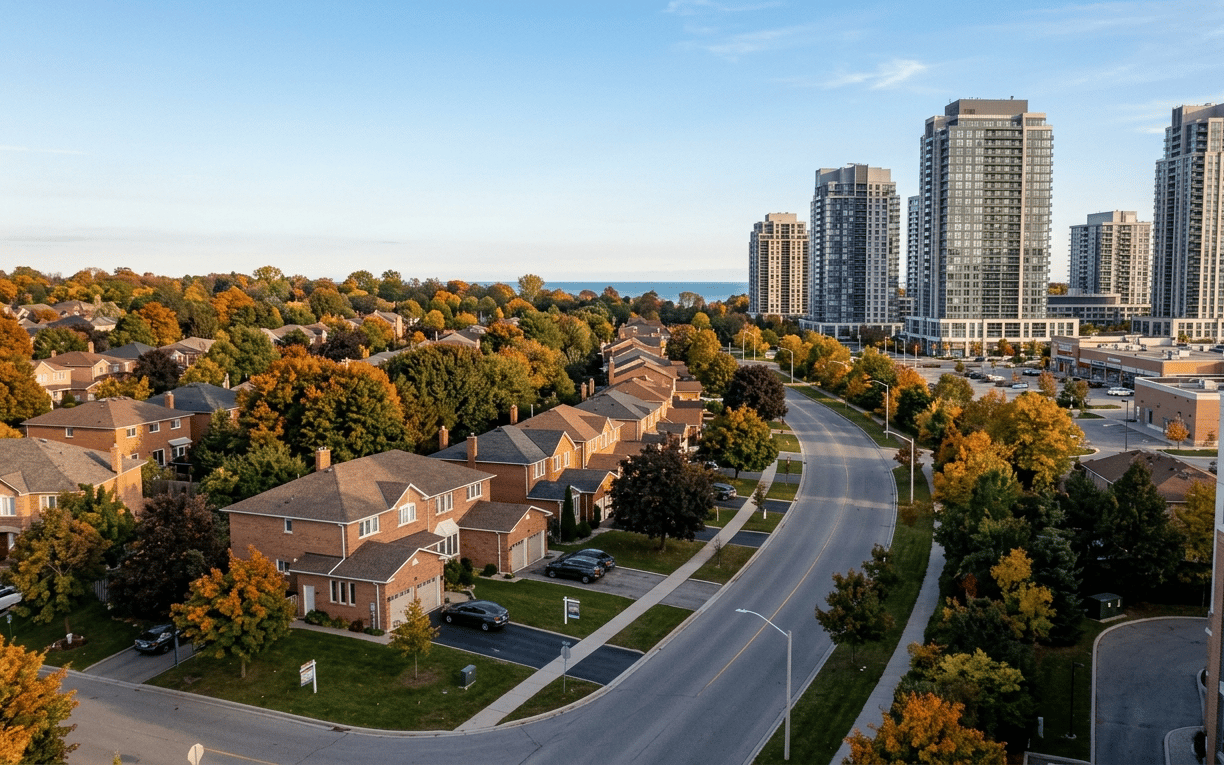
The Oakville housing market is defined by a distinct structural split. Ground-oriented freeholds—detached homes, semis, and townhomes—are leading sales activity, driven by steady family demand and constrained single-family supply. Meanwhile, high-density high-rise condominiums are navigating an inventory surplus, creating a buyer-leaning landscape where purchasers gain elevated leverage, flexible terms, and room to negotiate.
The Deep Dive
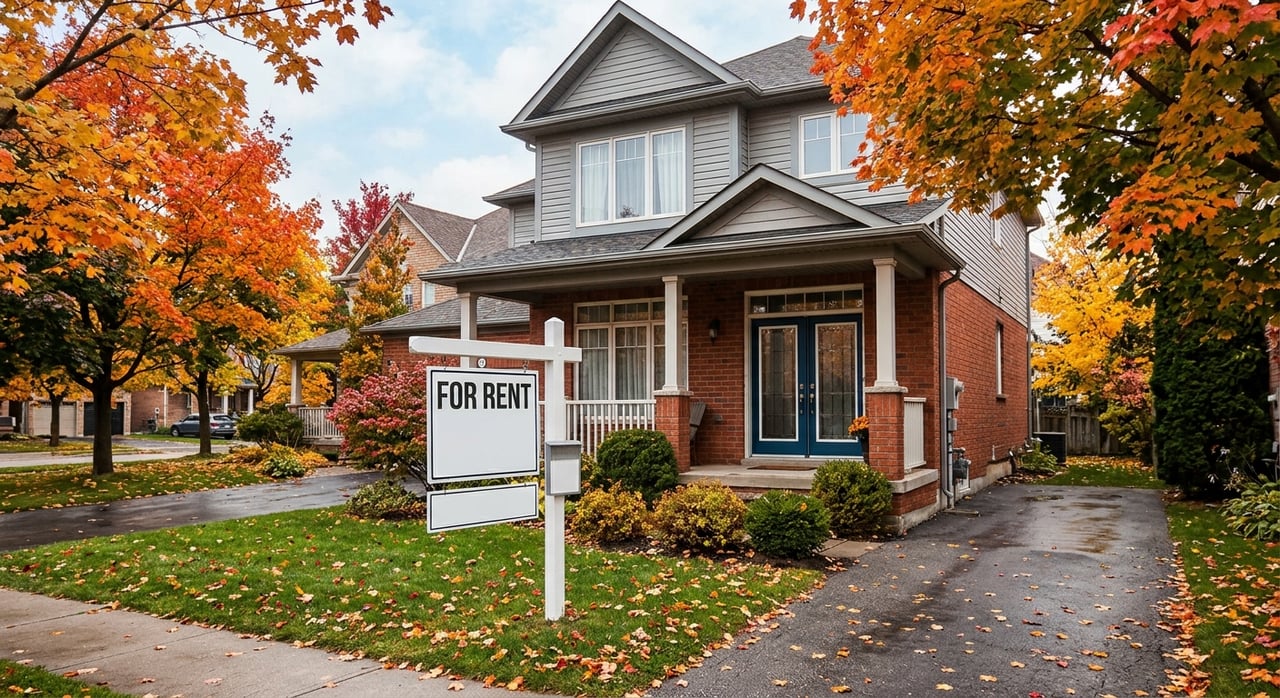
In the Oakville real estate landscape, property performance hinges heavily on structure type. Ground-oriented freeholds continue to outperform high-density builds due to a fundamental supply squeeze in established neighborhoods. Families capitalizing on stabilized interest rates and expanded provincial tax incentives are actively competing for low-density homes. This sustained demand keeps inventory tight and price points stable across single-family residential segments.
Conversely, the condominium marketplace offers an entirely different dynamic. Increased inventory across pre-construction assignments and resale units has expanded choice for buyers. While price corrections have established a value baseline, cautious investor activity means high-rise units take longer to absorb, giving prospective buyers a valuable window of opportunity.
Key Takeaways for Today's Market
Freehold Velocity: Single-family homes in top-tier school districts attract quick, qualified offers.
Condo Opportunity: High-density options provide significant negotiating power and entry-level accessibility.
Strategic Pricing: Sellers must align pricing and staging strategies with property type rather than broad regional averages.
Local Nuance
This market divide plays out distinctly across individual Oakville communities:
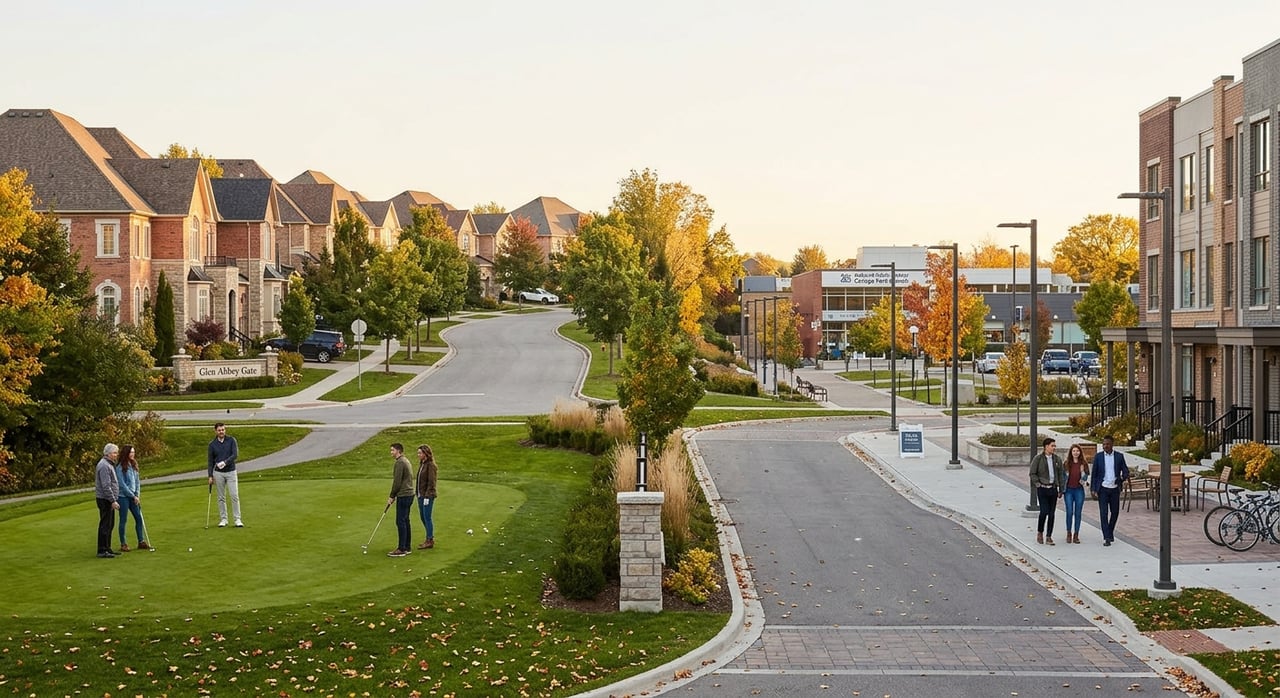
Glen Abbey & Joshua Creek: Demand for freehold townhomes and detached properties remains exceptional. Families prioritize these neighborhoods for top-tier schools and convenient highway access, maintaining competitive conditions for move-in-ready homes.
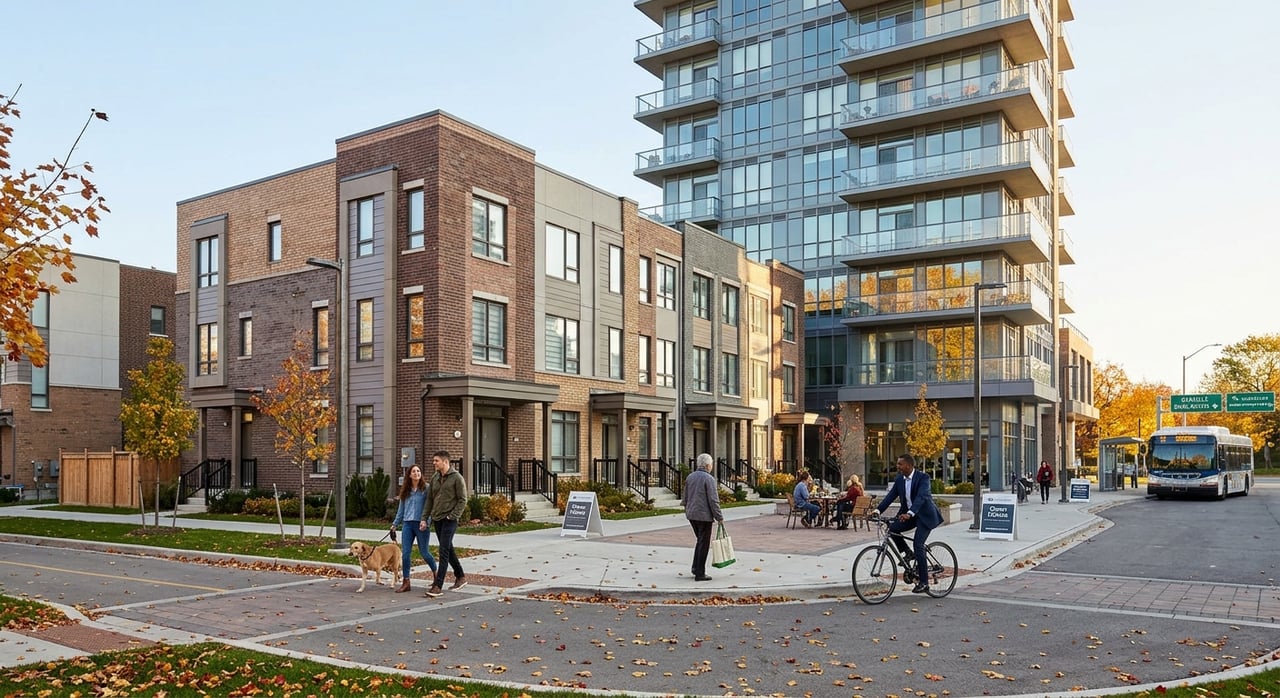
North Oakville (Uptown Core): High-density mid-rise and high-rise developments here represent the bulk of modern condo inventory. First-time buyers and downsizers find ample choices and the ability to include protective conditions like financing or home inspection clauses.
Bronte Village: Luxury waterfront condominiums buck the wider high-rise trend, maintaining resilient pricing due to strong local downsizer demand seeking turn-key, low-maintenance living.
Frequently Asked Questions
Why are freehold homes performing differently than condos in Oakville?
Freehold properties benefit from chronic supply constraints in mature Oakville neighborhoods. Strong demand from growing families seeking land, private yards, and access to elite schools keeps single-family inventory tight relative to high-rise units.
Is now a good time to buy a condo in Oakville?
Yes. With elevated high-rise inventory across the Halton region, buyers currently enjoy maximum selection and leverage. Purchasers can often negotiate on price, request seller concessions, and include conditional clauses.
Should I sell my Oakville condo now or wait for the market to shift?
Selling in a buyer-leaning condo market requires strategic positioning. If you are looking to upsize into a freehold home, buying in today's condo market may be offset by the advantage of securing your freehold purchase before single-family prices appreciate further.
How do Oakville townhomes fit into this divide?
Townhomes serve as the bridge between high-rises and detached properties. Freehold townhomes perform closely with detached homes due to strong family demand, whereas condo townhomes offer a balanced entry point for budget-conscious buyers.
About The Author
Cory Martin is Broker and Co-Founder of Martin Group, serving Oakville, Burlington and the surrounding Halton communities. Martin Group has performed in the Top 1% by TRREB MLS® sales volume every year since 2008.
Partner with Martin Group
Whether you are looking to maximize the equity in your detached home or navigate high-rise inventory for your next purchase, positioning yourself correctly requires hyper-local expertise. Contact Martin Group today to build your tailored real estate strategy.
Profit from our experience.