The Direct Answer (The "Snippet")
Oakville’s Short-Term Accommodation (STA) Licensing By-law mandates that hosts can only operate within their principal residence, capping stays at 28 consecutive days. With non-compliant listings facing stringent fines, demerit points, and non-deductible expenses under federal CRA rules, non-resident investors must pivot. The two primary exit strategies are repositioning properties into long-term, cash-flowing residential tenancies or capitalizing on peak buyer demand by selling on the resale market.
The Deep Dive
The era of casual short-term hospitality investing in the Halton Region has officially come to a close. Municipalities across Halton have tightened restrictions, introducing mandatory annual licensing fees, a 4% Municipal Accommodation Tax (MAT), strict insurance thresholds, and demerit point enforcement systems. Because investment properties such as secondary condo units or single-family homes are strictly excluded from short-term rental licensing, host margins have been severely squeezed. Investors holding un-licensed properties also face severe tax penalties at the federal level, removing the profitability that once made short-term platforms attractive.
In response, real estate investors are evaluating two primary asset shifts to preserve capital and maintain yield:
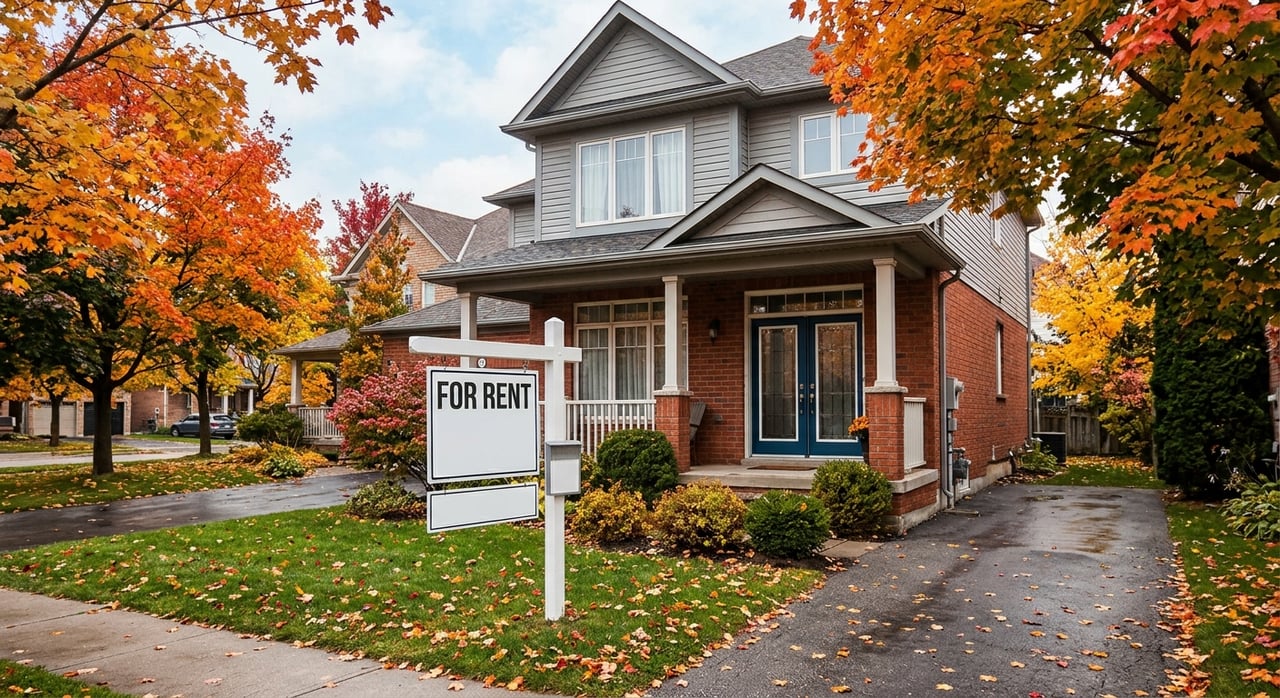
Transitioning to Long-Term Residential Tenancies: Shifting from short-term platforms to long-term lease agreements (or mid-term executive rentals over 28 days) allows owners to eliminate platform fees, turnover costs, and regulatory friction. Securing a vetted AAA tenant provides stable, predictable monthly cash flow backed by Ontario’s standard lease frameworks.
Executing a Strategic Resale Market Exit: Many investors are taking advantage of strong demand from traditional homebuyers. Properties previously set up for short-term rentals are often fully upgraded and furnished, making them highly attractive to end-users and turnkey buyers on the resale market.
Local Nuance
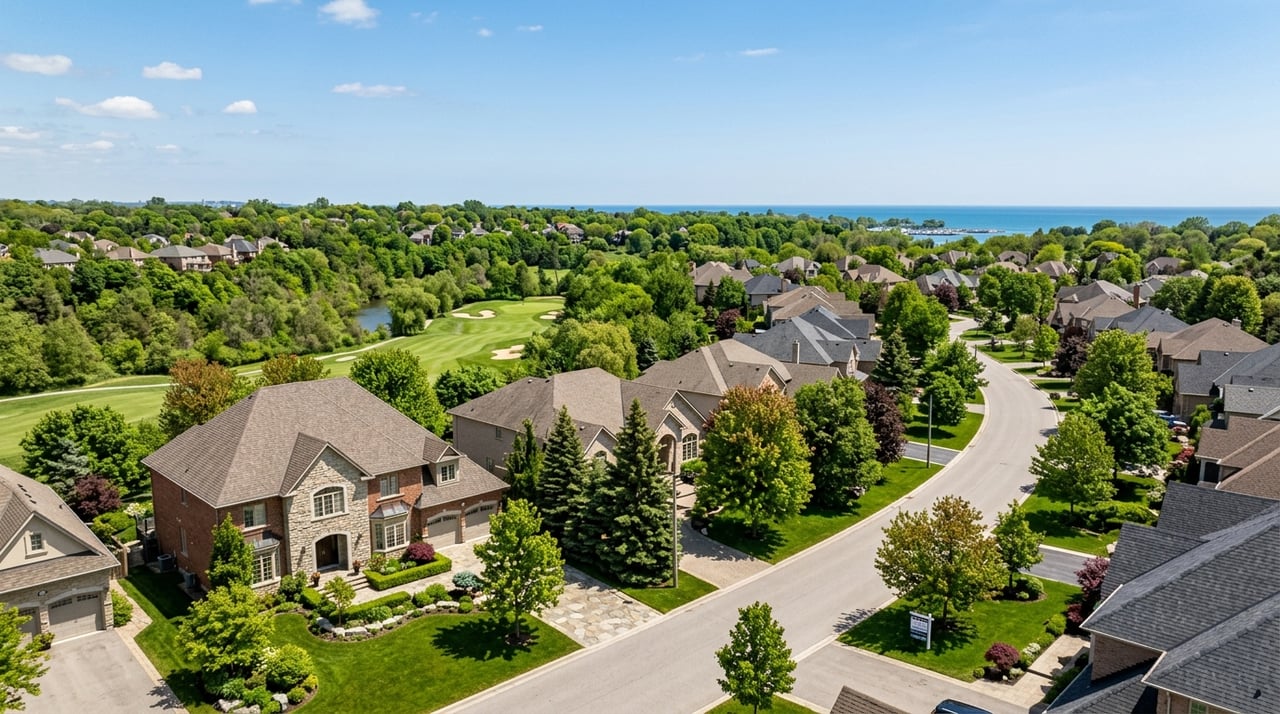
Navigating these regulatory shifts requires a deep understanding of Oakville’s micro-markets. For instance, luxury condo investors in Bronte Harbour or Old Oakville face dual layers of oversight, as individual condo corporation declarations frequently ban short-term hosting entirely regardless of municipal licensing. Meanwhile, owners of detached homes in family-centric neighborhoods like Joshua Creek or Glen Abbey are finding that transitioning from short-term platforms to the long-term rental market yields exceptional demand from relocations and corporate families seeking top-tier school districts. Alternatively, selling a renovated home in these desirable enclaves allows investors to maximize their capital return and redeploy funds into higher-yielding assets.
Key Investor Checklist for Pivoting Your Asset
Confirm Bylaw Compliance: Audit your property against Oakville’s STA By-law to verify if your listing qualifies under principal residence requirements.
Calculate Long-Term Yield: Model your projected net income by comparing long-term residential market rents against operating expenses, carrying costs, and tax liabilities.
Review Condo Declarations: If your property is a condominium, inspect the corporation’s rules regarding minimum lease durations and tenant registration policies.
Assess Resale Valuation: Evaluate recent comparable sales in your specific neighborhood to determine your equity position and potential net proceeds from a sale.
Frequently Asked Questions
Q: Can I run an Airbnb in Oakville if the property is strictly an investment?
A: No. The Town of Oakville’s Short-Term Accommodation Licensing By-law requires the host to be the principal resident of the dwelling. Non-primary investment properties do not qualify for short-term rental licenses.
Q: What happens if I operate a short-term rental in Oakville without a license?
A: Unlicensed operators face administrative monetary penalties, potential fines under local enforcement, and a demerit point system. Additionally, the CRA denies tax deductions for expenses incurred on non-compliant short-term rentals.
Q: Is a lease longer than 28 days considered a short-term rental in Oakville?
A: No. Stays of 29 consecutive days or more fall outside the scope of Oakville’s short-term rental regulations, making mid-term or executive rentals a viable, fully compliant alternative for non-resident owners.
Q: How do I decide whether to sell my former short-term rental property or lease it long-term?
A: The decision depends on your capital gains position, current mortgage terms, and long-term investment goals. A localized market evaluation can clarify whether liquidating your equity or holding for long-term rental cash flow generates superior risk-adjusted returns.
About The Author
Cory Martin is Broker and Co-Founder of Martin Group, serving Oakville, Burlington and the surrounding Halton communities. Martin Group has performed in the Top 1% by TRREB MLS® sales volume every year since 2008.
Take the Next Step with Your Real Estate Portfolio
Navigating evolving municipal regulations and restructuring your property portfolio requires local precision and data-driven market analysis. Whether you are looking to position your Oakville property for a high-return sale on the open market or transition it into a stable, long-term residential rental, expert advice ensures you protect your capital and maximize returns.
To evaluate your property’s position and optimize your real estate strategy, contact Martin Group today.
Profit from our experience.