In 2026, a Minor Variance is a legal authorization from the Oakville Committee of Adjustment allowing you to bypass specific requirements of the Town’s Zoning By-laws (such as By-law 2014-014). To be approved, your request must satisfy the Four Tests under the Planning Act: the variance must be minor, desirable for the appropriate development of the land, and maintain the general intent of both the Zoning By-law and the Livable Oakville Official Plan.
The Deep Dive: Navigating the Committee of Adjustment
The Committee of Adjustment (COA) is an independent body of citizen members appointed by Town Council to make decisions on land use. In 2026, the process remains highly structured, requiring all applications including site plans, elevations, and planning justification reports to be submitted through the Town’s digital portal. The Committee evaluates whether a proposal is a "minor" deviation or a major change that should instead require a formal Zoning By-law Amendment.
Securing a variance is not just about technical dimensions. While you might seek a small increase in lot coverage or a reduction in a side-yard setback, the Committee looks at the cumulative impact on the neighborhood. In mature areas like Bronte or Glen Abbey, there is a heightened focus on "massing" and ensuring new builds do not overshadow adjacent properties. The 2026 landscape also places a heavy emphasis on the preservation of the urban tree canopy, often requiring a coordinated review with Oakville’s Forestry department.
Local Nuance and 2026 Market Trends
Oakville continues to refine its "Stable Residential Area" policies, particularly in high-growth pockets like Joshua Creek. If your property falls within a Heritage Conservation District or a regulated zone near a creek, you may also require approvals from Conservation Halton before the COA will hear your case.
Key procedural facts for 2026 include:
-
Digital Hearings: Most hearings are held virtually, though the Town has reintroduced hybrid options for significant files.
-
Updated Fees: As of January 1, 2026, the base application fee for a residential minor variance is $4,303, though costs can rise if "After the Fact" variances are required.
-
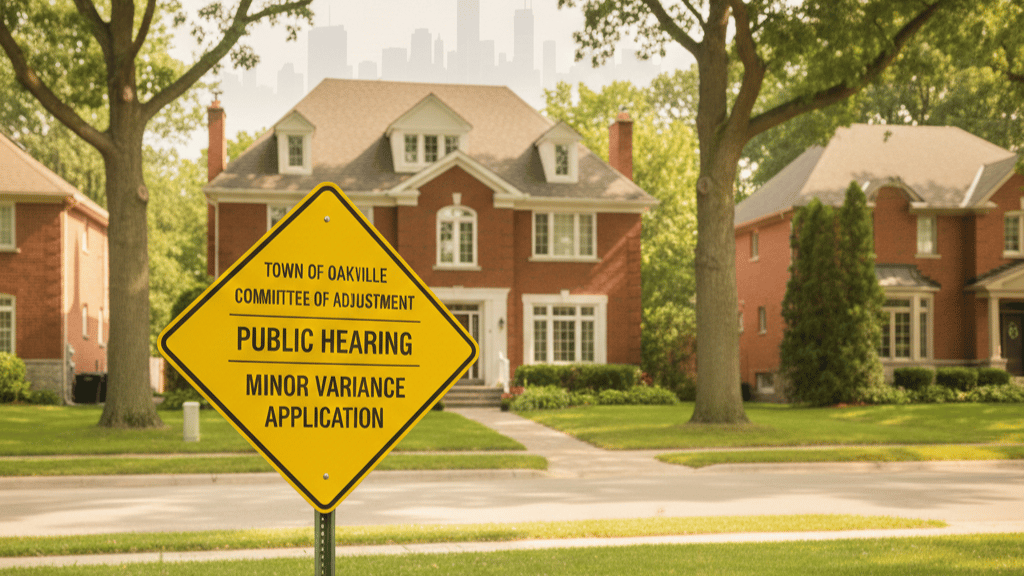
Public Notice: All neighbors within 60 meters of your property are notified by mail, and a yellow public notice sign must be posted on your lawn at least 10 days before the hearing.
The Path to Approval
To maximize your chances of success, consider these strategic steps:
-
Pre-consultation: Engaging with Town planning staff early can identify non-starters before you pay the application fee.
-
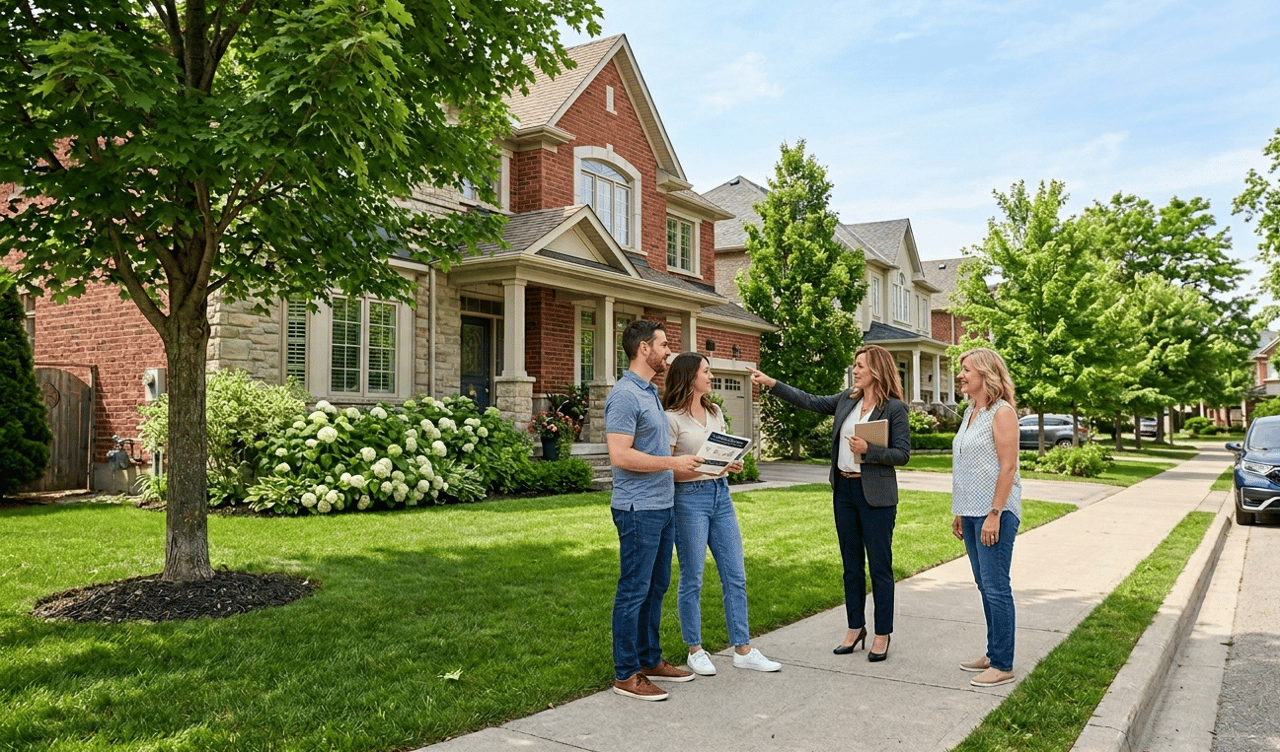
Neighbor Outreach: Meeting with nearby residents in advance can prevent formal objections that often lead to costly delays or appeals.
-
Planning Justification: Providing a professional rationale that explicitly addresses the Four Tests is the most effective way to secure a "Yes."
Navigating the Committee of Adjustment requires a blend of technical knowledge and local diplomacy. Whether you are adding a garden suite or custom-building your dream home, the right strategy ensures your project moves from the drawing board to reality.
Ready To Make a Move?
Ready to navigate the Oakville planning process with confidence? Whether you are buying a property with development potential or selling a home that needs zoning relief, our team provides the local expertise you need to succeed in the 2026 market.
Contact Martin Group today to discuss your real estate goals.
Profit from our experience.