If you are weighing a rental property in Halton this winter, the first number most investors ask about is the cap rate. So what cap rate can you realistically expect on an Oakville or Burlington rental property in 2026? Using October 2026 sale prices and lease data, the answer is lower than many first-time investors hope — but the picture changes a lot depending on whether you buy a condo, a townhouse or a detached home.
Quick answer: In October 2026, condos and townhouses in Oakville and Burlington produced gross rental yields of roughly 4.4% to 4.9%, while detached homes came in closer to 3%. After property taxes, condo fees, insurance, maintenance and vacancy, most realistic cap rates land in the 3% range, so today’s Halton investors are buying mainly for long-term appreciation and stable tenants rather than strong cash flow.
What do rental yields look like in Oakville and Burlington right now?
Condos and townhouses offer the best rent-to-price ratio in Halton right now, and detached homes the weakest. Here is what the October 2026 numbers show when you compare average sold prices (TRREB data via WOWA) with average monthly leases (MLS lease data via RoofUp):
In Oakville, condo apartments sold for an average of $677,274 and leased for an average of $2,601 a month — a gross yield of about 4.6%. Freehold townhouses averaged $977,899 and leased for about $3,607, or roughly 4.4% gross. Detached homes averaged $1,833,285, while freehold houses leased for around $4,437, which works out to only about 2.9% gross.
Burlington is slightly better on yield. Condo apartments averaged $658,858 against average leases of $2,680, a gross yield near 4.9%. Townhouses averaged $857,186 and leased for about $3,242, roughly 4.5% gross. Detached homes averaged $1,376,964 against freehold leases of about $3,634, or about 3.2% gross.
How do you turn a gross yield into a real cap rate?
A cap rate is your net operating income — rent minus operating costs, before mortgage payments — divided by the purchase price. Gross yield ignores costs, so the real cap rate is always lower.
Take an illustrative Burlington condo bought at the October average of $658,858. At $2,680 a month, gross rent is about $32,160 a year. If condo fees, property taxes, insurance, repairs and a small vacancy allowance add up to around $12,800 a year, net operating income is about $19,360 — a cap rate of roughly 2.9%. An Oakville freehold townhouse at the October average, with no condo fee and around $10,800 in annual costs, nets about $32,500, or roughly 3.3%. Your own numbers will vary with the building, the fees and the tax bill, which is exactly why every property needs its own analysis.
Which Halton neighbourhoods and property types make the most sense for investors?
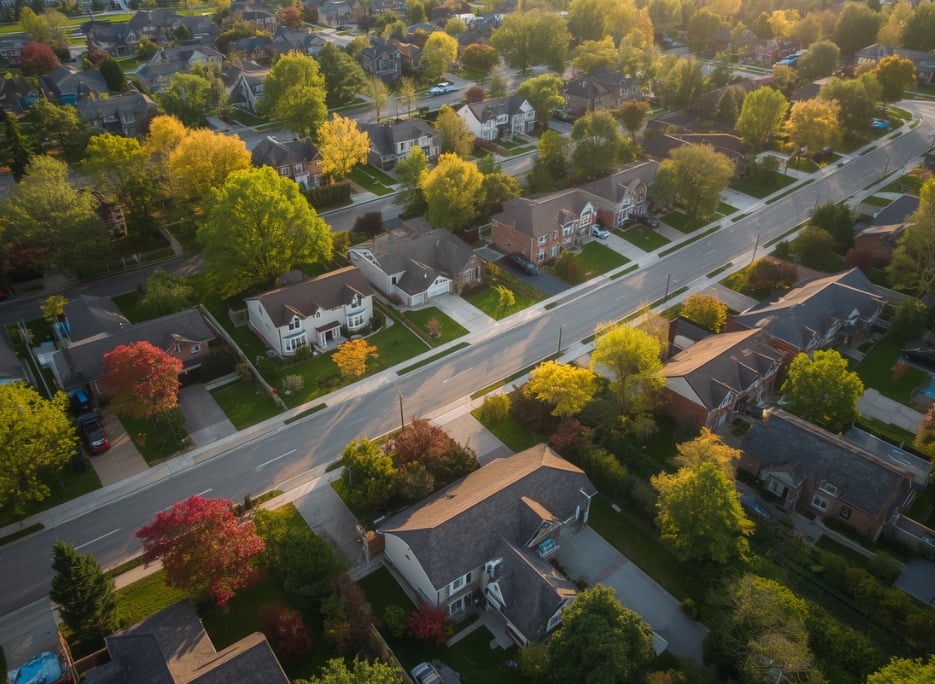
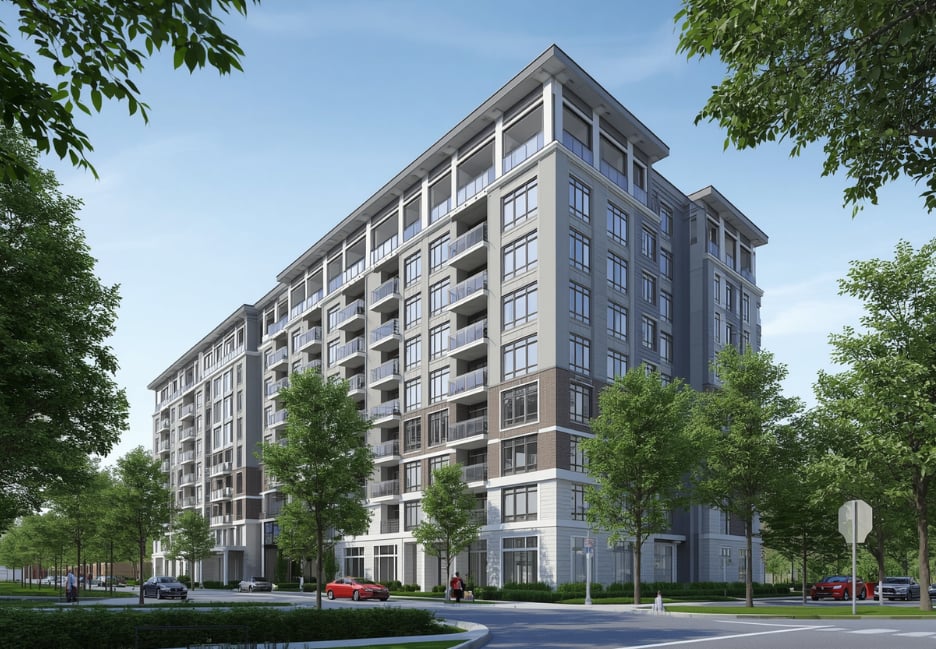
Lower-priced condos and freehold townhouses near transit and employment tend to give Halton investors the strongest balance of yield and tenant demand. In Oakville, that often means condos near the Oakville GO station and the Uptown Core, or townhouses in River Oaks, West Oak Trails and Glen Abbey, where families want space and good schools without buying detached. In Burlington, condos near the Burlington and Appleby GO stations and in Aldershot appeal to commuters heading toward Toronto and Hamilton.
Detached homes in established areas like Old Oakville, Bronte or southeast Burlington can be excellent long-term holds, but at a roughly 3% gross yield they rarely make sense as pure rental plays unless you add income — for example, a legal secondary suite.
What should investors watch before buying a rental this winter?
Focus on the details that change your net income, not just the list price. Check the condo’s status certificate for fee increases and the reserve fund, confirm the property tax bill, and compare rents on recent leases in that exact building or street rather than the city average. Lease-up timing matters too: in October, Oakville rentals took about 20 days to lease and Burlington about 21, with most units leasing just under asking.
Finally, stress-test the mortgage. At today’s prices, many Halton rentals only break even with a larger down payment, so be honest with yourself about how much monthly carrying cost you can comfortably absorb while you wait for appreciation.
About the Author
Cory Martin is a co-founder of Martin Group and an experienced real estate broker serving the Oakville and Burlington markets with 18 years of industry background. Renowned for a career sales volume of over $310 million and averaging 75 transactions annually, Cory couples high-level data analysis with a steadfast commitment to client satisfaction. His dedication is demonstrated by over 134 five-star reviews on Google and a 100% recommendation rate on Facebook, making him a trusted, proven choice for buyers and sellers across the region.
The Bottom Line
Oakville and Burlington are not high-cap-rate markets, and they have not been for years. Condos and townhouses currently offer gross yields in the mid-4% range and realistic cap rates around 3%, while detached homes lag further behind. What Halton does offer is steady rental demand, strong neighbourhoods and long-term value — and with prices softer than their peak, winter can be a smart time to buy if the numbers work for your goals.
At Martin Group, we help investors run real numbers on specific properties before they commit, from rent comparables to carrying costs. If you are thinking about adding a rental property in Oakville, Burlington, Hamilton or Mississauga, Martin Group would be glad to walk through the math with you. Call us at (905) 338-2083 or visit themartingroup.ca to get started.