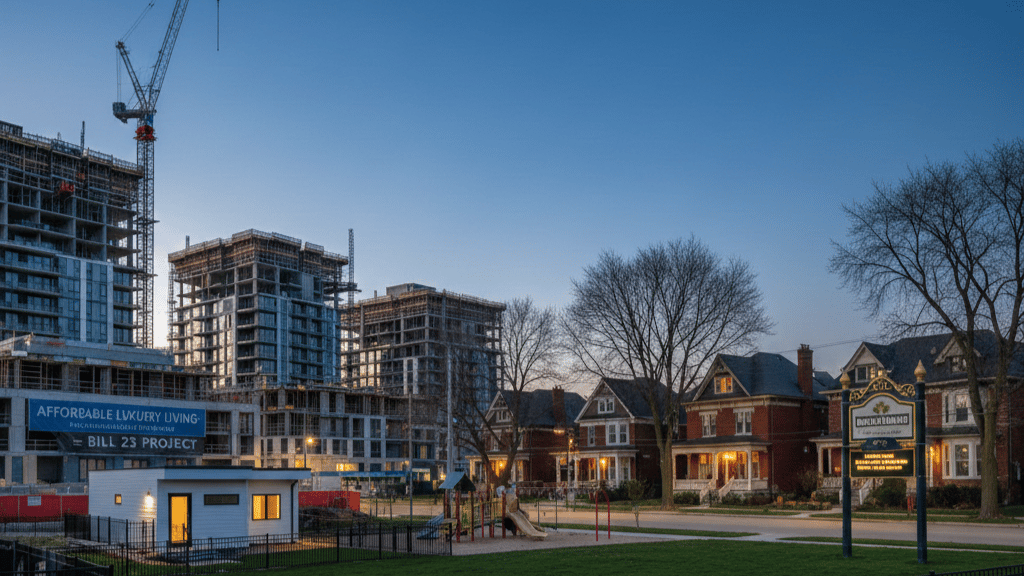
The Direct Answer (The "Snippet")
In 2026, Bill 23 (More Homes Built Faster Act) impacts Oakville by mandating a 20% reduction in development charges for new by-laws and granting total exemptions for affordable, attainable, and non-profit housing. While this lowers upfront costs for developers, it has shifted the financial burden to the Town, contributing to the introduction of a new 2026 stormwater fee and an overall property tax increase of 1.96% to cover infrastructure shortfalls.
The Deep Dive
As we move through 2026, the ripple effects of Bill 23 have moved from legislative theory to line-item reality for Oakville residents. The Act’s primary mechanism the mandatory five-year phase-in of development charge (DC) increases means the Town cannot collect the full cost of infrastructure required for new growth. For 2026, this results in a significant "funding gap" for essential capital projects like road expansions and fire services.
To mitigate this loss of revenue without drastically hiking property taxes, Oakville has "modernized" its funding model. Starting in 2026, the Town has decoupled stormwater management from the general tax levy. This means while the property tax increase was kept to a modest 1.96% (below the 2.16% inflation rate), most homeowners will see a new separate charge on their bill based on property type.
Local Nuance: Neighborhood Impacts
The impact of these changes varies across the Halton Region, particularly within Oakville’s diverse communities:
-
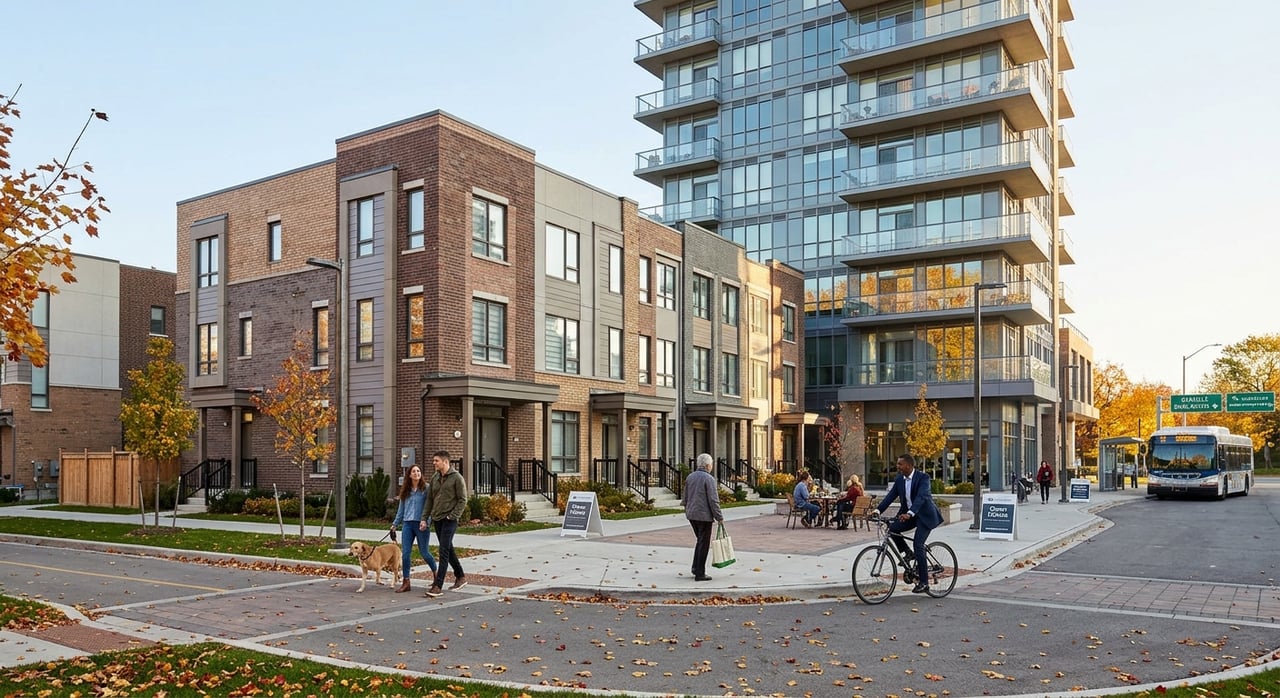
North Oakville (Joshua Creek & Dundas Corridor): These high-growth areas are the focal point for new high-density builds. Under Bill 23, these projects benefit from capped parkland dedication (10% for sites under 5 hectares), which may limit the expansion of green space in these newer family hubs.
-
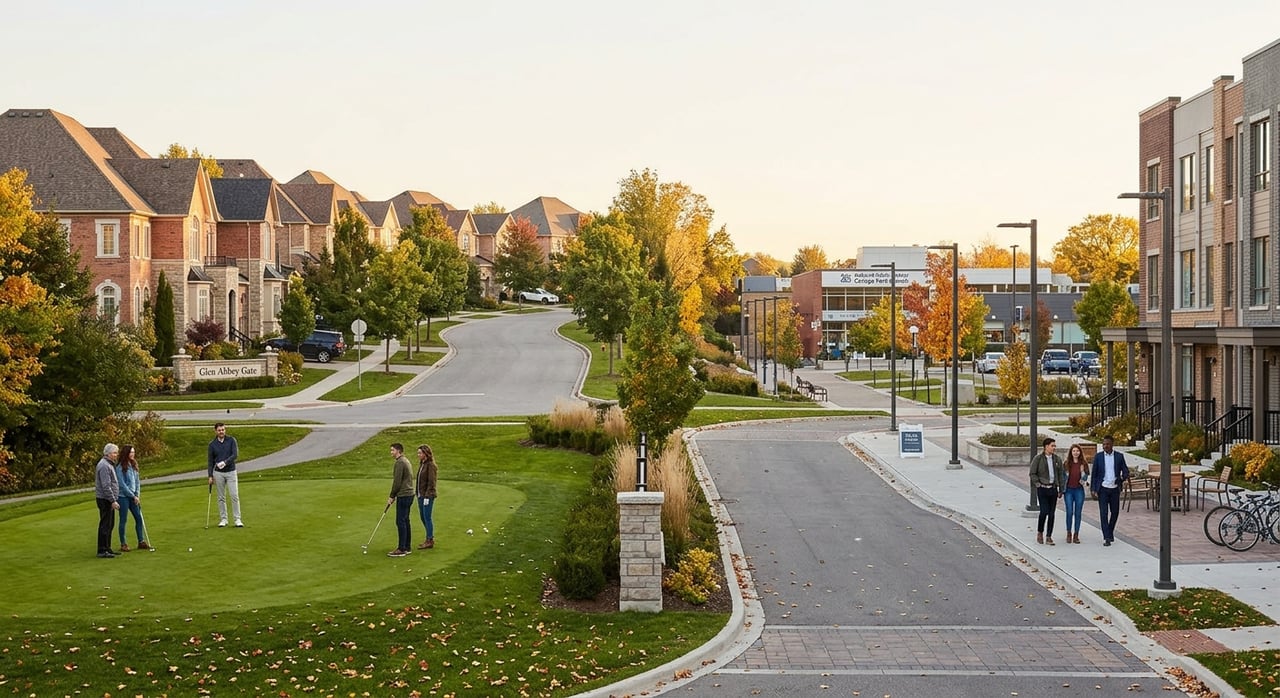
Established Neighborhoods (Glen Abbey & River Oaks): The "Additional Residential Unit" (ARU) exemptions are encouraging homeowners here to add garden suites or basement apartments. In 2026, these units are exempt from DCs, making "house hacking" or multi-generational living more financially viable.
-
Old Oakville & Bronte: The removal of site plan control for developments under 10 units has accelerated smaller boutique builds, though it has reduced the Town's ability to mandate specific aesthetic and heritage-aligned design elements.
2026 Oakville Cost Adjustments
| Fee Type | 2026 Impact | Who it Affects |
| Development Charges | 20% Discount (Phase-in) | Developers & New Builds |
| Stormwater Fee | ~$137/year (Detached) | Existing Homeowners |
| Property Tax | 1.96% Overall Increase | All Oakville Ratepayers |
| Affordable Housing | 100% DC Exemption | Non-Profit/Attainable Builders |
Get in Touch
Navigating the complexities of provincial legislation like Bill 23 requires a partner with deep local roots and a data-driven approach. Whether you are looking to invest in a high-density zone or want to understand how shifting tax levies affect your home's value, we are here to provide clarity.
Contact Martin Group today to ensure your next move is a calculated success.
"Profit from our experience."

Frequently Asked Questions
How does Bill 23 change development charges in Oakville?
It mandates a 20% reduction in development charges for new by-laws and grants total exemptions for affordable, attainable and non-profit housing. The reductions are phased in over five years, so the Town cannot collect the full cost of growth-related infrastructure.
Why is there a new stormwater fee in Oakville?
Bill 23 shifted the funding burden from developers to the Town. To cover the gap without a large tax increase, Oakville decoupled stormwater management from the general tax levy, so most homeowners now see a separate charge based on property type.
What is Oakville's 2026 property tax increase?
1.96%, which sits below the 2.16% inflation rate. Keeping it there required the separate stormwater charge, so the combined impact on a household bill is larger than the tax figure alone suggests.
Are basement apartments and garden suites exempt from development charges?
Yes. Additional Residential Unit exemptions mean these units are exempt from development charges in 2026, which materially improves the economics of house hacking or multi-generational living in areas like Glen Abbey and River Oaks.
How does Bill 23 affect parkland in North Oakville?
Parkland dedication is capped at 10% for sites under 5 hectares. In high-growth areas along the Dundas corridor and around Joshua Creek, that cap may limit how much new green space accompanies high-density development.
What changed for small developments under 10 units?
Site plan control has been removed for developments under 10 units, which has accelerated smaller infill projects in Old Oakville and Bronte. Approvals move faster, with less municipal review of design and site details.