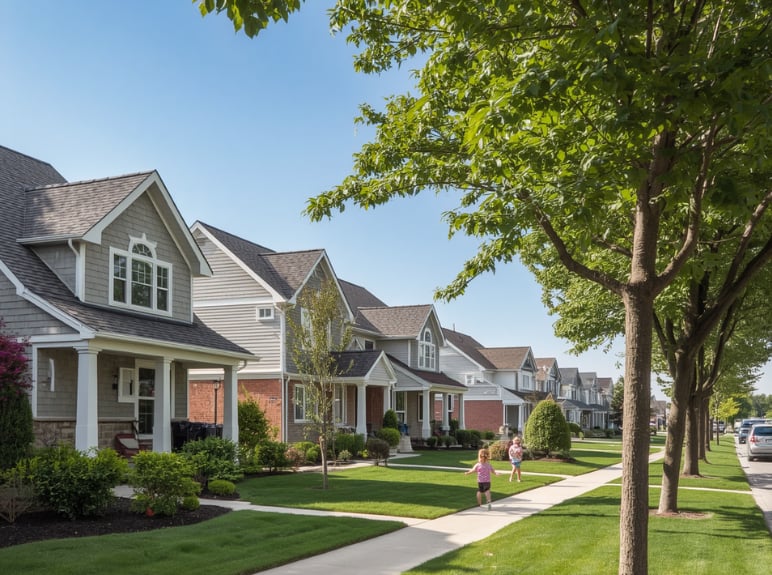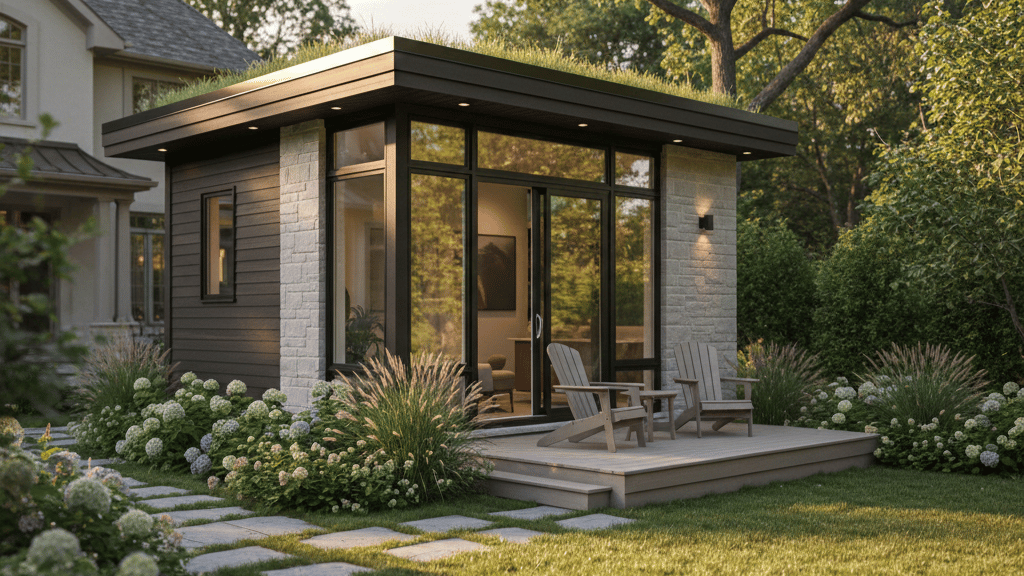
Yes, the Town of Oakville allows "tiny homes" on residential properties in 2026, provided they are built as permanent Additional Dwelling Units (ADUs). Under the updated Livable Oakville Plan, homeowners can now build up to four units per lot "as-of-right." This includes detached garden suites the legal equivalent of a tiny home as long as they are on a fixed foundation and meet Ontario Building Code standards.
The Deep Dive: Oakville’s 2026 Housing Evolution
The landscape of Oakville real estate has shifted dramatically in 2026. To address the growing need for "gentle density," the Town of Oakville has modernized its zoning by-laws to align with provincial mandates. While "tiny home" is a popular lifestyle term, the municipality officially regulates these structures as Detached Additional Dwelling Units (ADUs) or Garden Suites.
To be legal in Oakville, your tiny home cannot remain on wheels; it must be a permanent structure connected to municipal services (water, sewer, and hydro). These units are designed to integrate sensitively into established neighborhoods, offering a sophisticated solution for multi-generational living or as high-yield luxury rentals.
Local Nuance: Navigating Halton Regulations
In 2026, several specific local factors determine whether your property can support a tiny home:
-
Neighborhood Constraints: In mature areas like Bronte or South East Oakville, you must strictly adhere to lot coverage ratios. For example, in Glen Abbey, existing structures often use a significant portion of the allowable footprint, requiring a precise site plan to fit a detached suite.
-
Conservation Halton: If your property backs onto Sixteen Mile Creek or other protected green spaces, you will require additional environmental permits before breaking ground.
-
Height and Setbacks: Most residential zones in Oakville limit the height of a detached ADU to 4.0 metres, with a minimum 1.2-metre setback from the rear and interior side lot lines.
Essential Requirements for Your Oakville Tiny Home
Before you order a prefabricated unit or hire a designer, ensure your project checks these boxes:
-
Permanent Foundation: Must be anchored to a frost-protected foundation (no wheels).
-
Minimum Size: Must be at least 17.5 square metres (approx. 188 sq. ft.) to meet the Ontario Building Code.
-
Building Fees: For 2026, Oakville has implemented a streamlined fee structure. Expect a base Accessory Dwelling Unit Registration fee of $800, plus building permit fees calculated at approximately $12.00 per square metre.
-
Parking: In many transit-rich areas of Oakville, the requirement for an additional parking space for the ADU has been eliminated to encourage density.
Maximize Your Property Value with an Oakville ADU
The 2026 zoning changes have opened a window of opportunity for Oakville homeowners to increase their property’s footprint and market value. Whether you are looking to create a multi-generational living space in Joshua Creek or a luxury rental suite in Old Oakville, navigating the intersection of the Ontario Building Code and local bylaws is critical for a high-return investment.
Don’t leave your equity to chance. Partner with the local experts who understand the nuances of the Halton region’s evolving landscape.
Contact Martin Group today for a comprehensive property consultation and market valuation.
"Profit from our experience."

Frequently Asked Questions
Are tiny homes legal in Oakville?
Yes, as permanent Additional Dwelling Units. The Town regulates them as Detached Additional Dwelling Units or Garden Suites, and under the updated Livable Oakville Plan homeowners can build up to four units per lot as-of-right.
Can my tiny home stay on wheels?
No. To be legal in Oakville it must be a permanent structure on a frost-protected foundation and connected to municipal water, sewer and hydro. A unit on wheels does not qualify as a dwelling unit.
What are the height and setback limits?
Most residential zones cap a detached additional dwelling unit at 4.0 metres in height, with a minimum 1.2-metre setback from the rear and interior side lot lines. Confirm the numbers for your specific zone before commissioning a design.
Will lot coverage stop me from building one?
It can. In mature areas like Bronte and South East Oakville, and on many Glen Abbey lots, existing structures already consume much of the allowable footprint. A precise site plan is needed to confirm a detached suite actually fits.
Do I need Conservation Halton approval?
If your property backs onto Sixteen Mile Creek or other protected green space, yes — you will need additional environmental permits before breaking ground, separate from your Town building permit.
Is a tiny home a good rental investment in Oakville?
A legal garden suite adds a rentable unit without buying more land, which is compelling in a market with Oakville's rents. Whether it pencils depends on your construction cost, lot constraints and financing, so model your specific property before committing.