If you are shopping in Old Oakville, the biggest question may not be price alone. It may be whether you are buying a home to live in right away, a property to renovate, or a lot that could support something new. In this part of Oakville, that choice carries more moving parts than many buyers expect, and understanding them early can save you time, money, and stress. Let’s dive in.
Note: The market figures in this post reflect data available in July 2026. Prices change month to month — for the latest numbers, see the newest market update on our blog.
Why Old Oakville plays by different rules
Old Oakville is not a typical older-home market. The area includes the Old Oakville Heritage Conservation District, first established in 1981 and updated in 2025, covering the historic core from south of Robinson Street to the lakefront and from Sixteen Mile Creek to Allan Street.
That matters because heritage districts are meant to guide future change. In practice, that means exterior alterations, additions, and redevelopment may be reviewed through district plans and guidelines, including a newer character-area framework introduced in the 2025 update.
The result is simple: two homes on the same street can come with very different options. One may be easier to update, while another may face a more layered approval path because of its heritage status or location within the district.
Check heritage status before you assume anything
Before you treat a property as a teardown or a simple renovation, confirm where it sits on Oakville’s Heritage Register. The Town’s register includes individually designated properties, properties designated within heritage conservation districts, and listed properties that are not yet designated.
That distinction matters because the approval path can change based on status. A designated property may require a heritage permit for changes to heritage features, while a listed property does not require a heritage permit.
For buyers, this is one of the most important early checks. A beautiful lot and an aging house do not automatically equal a straightforward rebuild.
Why lot value often drives the decision
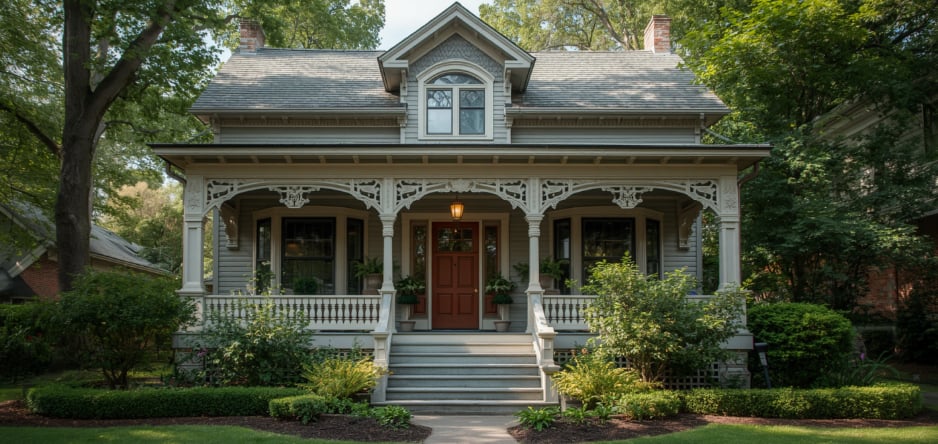
Old Oakville has a varied housing stock shaped by the town’s long history. Heritage materials from Oakville point to early vernacular homes, lakeside cottages, turn-of-the-century luxury houses, churches, and larger landscaped estate settings.
Because of that mix, buyers often look beyond the current condition of the house. In many cases, the value is tied just as much to the lot, orientation, and what the site may reasonably support over time.
That is why the tear-down versus turnkey question is so specific to Old Oakville. You are not only choosing a house. You are choosing a future approval path, timeline, and risk level.
When a renovation makes sense
A renovation usually makes the most sense when the existing structure, layout, and exterior are worth keeping. If the home already works for most of your needs, updating it can be a more practical path than starting over.
That said, Oakville requires permits for many common residential changes. Additions, basement apartments, dormers, garages, roof alterations, and re-cladding can all require permits, and the Town recommends checking zoning before you begin because the by-law controls land use, building location, lot coverage, and building height.
Renovation can be the right move when you want to improve a home without taking on the full uncertainty of demolition and new construction. It can also be a smart choice if preserving the home’s form and character aligns with what the property and location support.
When a teardown may be worth it
A teardown can make sense when the lot is the true asset and the permitted building envelope supports your long-term plan. Buyers usually start leaning this way when the existing home would require major work anyway and still would not deliver the layout, size, or function they want.
In Old Oakville, though, demolition is not only a construction decision. If the property is designated under the Ontario Heritage Act, changes to heritage features require a heritage permit, and the current district plan uses character areas and streetscape guidance to assess compatibility.
That means even if the lot looks promising, the process can be more involved than expected. The best teardown opportunities are usually the ones where the lot potential, zoning path, and timing all line up.
Why turnkey appeals to many buyers
A turnkey home offers the greatest level of certainty. If your goal is to move in and avoid permit timelines, consultant fees, and construction risk, paying a premium for a finished home may be the simpler and less stressful choice.
Turnkey does not mean unlimited future flexibility, though. If you later want to change the exterior, add on, or alter certain features, heritage or zoning rules may still affect what you can do.
There is also the cost question. In the broader Oakville-Milton market, the May 2026 benchmark single-family price was $1,273,600, the average sold price was $1,306,591, and inventory stood at 3.9 months. For some buyers, the premium for certainty may be more attractive than carrying a project through approvals and construction.
What can slow down a teardown
Many buyers underestimate how many steps sit between buying an older home and building a new one. In Oakville, you can apply for a demolition permit at any time, but it can only be issued once the replacement-building permit is ready to be issued.
Utility clearances can also add time. The Town notes these can take six to eight weeks, and tree protection may be required for trees on the property, on neighboring properties, or on the municipal right-of-way.
Heritage review may be quick for minor matters, but not always for larger ones. Oakville says most heritage permits are processed within several business days, while major heritage permits are reviewed at monthly meetings and can take 60 to 90 days from a complete application.
Zoning is a moving target
Zoning is another reason buyers should avoid assumptions. Oakville adopted amendments through By-law 2026-088 on June 15, 2026 as part of the South Oakville Residential Zoning By-law Review, and that review includes the three residential heritage conservation districts.
The Town has said the zoning by-law may not yet reflect all amendments, so buyers should verify the current version before relying on a specific build plan. This is especially important if your design depends on height, lot coverage, setbacks, or exterior changes.
In practical terms, this means online listings and casual advice are not enough. If the purchase only makes sense with a certain build envelope, verify it before removing conditions.
Budget for more than construction
The real cost of a teardown or major renovation goes well beyond the contract with your builder. Holding costs, permit fees, utility work, tree-related requirements, and tax changes can all affect your total budget.
Oakville notes that redevelopment after demolition may qualify for a development-charge credit for five years. Demolition may also qualify for a tax reduction under section 357 of the Municipal Act, while newly constructed or physically altered properties can receive supplementary or omitted tax bills.
That is why two projects with similar build budgets can feel very different financially. The timeline and carrying costs often shape the real decision just as much as the design itself.
Build your team early
If you are considering a property in Old Oakville with renovation or rebuild potential, bring the right professionals in early. Oakville recommends consulting before applying for a heritage permit, and designated-property owners may also be eligible for the Town’s Heritage Grant Program for approved restoration or repair work.
The Town also recommends working with an architect, professional engineer, or qualified designer for permit-ready drawings. For many buyers, this is the stage where the lot either proves its potential or reveals its limits.
A lawyer can also be valuable before conditions are removed when the deal depends on title status, approval timing, or permit feasibility. If your plan may involve substantial renovation or new construction, a tax advisor can help you understand GST/HST treatment, possible rebates, and future tax-bill changes tied to the property.
A practical Old Oakville buyer checklist
Before you commit to a tear-down, renovation, or turnkey purchase, make sure you have answers to the basics.
- Confirm whether the property is designated or listed on the Heritage Register.
- Confirm the current zoning and any recent amendments that could affect height, setbacks, coverage, or exterior changes.
- Budget for utility clearances, permits, possible tree-related requirements, carrying costs, and tax adjustments.
- Speak with the right professionals early if the purchase depends on a specific approval path.
- Compare the premium for turnkey against the time, uncertainty, and cost of a project home.
How to choose the right path for you
The best purchase in Old Oakville is not always the cheapest home or the most polished one. It is the property that fits your budget, timeline, and appetite for risk.
If you want control and are prepared for a longer approval path, a renovation or teardown may offer the best long-term fit. If you value predictability and speed, a turnkey home may be the smarter buy, even at a higher price.
In a neighborhood as layered as Old Oakville, clear due diligence matters more than quick assumptions. With local guidance and the right early checks, you can make a decision that fits both the property and your plan.
If you are weighing a teardown, renovation, or turnkey purchase in Old Oakville, the Martin Group can help you evaluate the property, the neighborhood context, and the market data so you can move forward with confidence.
FAQs
What makes buying in Old Oakville different from other Oakville neighborhoods?
- Old Oakville includes a heritage conservation district with guidelines that can affect alterations, redevelopment, and compatibility review, so the decision is often about both the home and the approval path.
What should you check before buying an Old Oakville teardown?
- You should confirm the property’s heritage status, review current zoning and recent amendments, and understand whether your intended rebuild is realistic before removing conditions.
Do all Old Oakville homes need heritage permits for renovations?
- No. Oakville says designated properties require a heritage permit for changes to heritage features, while listed properties do not require a heritage permit.
How long can an Old Oakville teardown process take?
- Timing varies, but utility clearances alone can take six to eight weeks, and major heritage permits can take 60 to 90 days from a complete application.
Is a turnkey home in Old Oakville always the safer choice?
- A turnkey home can reduce approval and construction risk, but it may still come with future zoning or heritage limits if you later want to change the exterior.
What professionals should you involve when buying an Old Oakville project property?
- Depending on the property and your plan, it can be wise to involve a heritage planner, architect or engineer, lawyer, and tax advisor early in the process.
Frequently Asked Questions
Why is Old Oakville different from other older-home markets?
It contains the Old Oakville Heritage Conservation District, first established in 1981 and updated in 2025. The district covers the historic core from south of Robinson Street to the lakefront and from Sixteen Mile Creek to Allan Street.
Does heritage designation stop me from renovating?
Not necessarily, but it changes the path. Exterior alterations, additions and redevelopment may be reviewed under district plans and guidelines, including the character-area framework introduced in the 2025 update.
What is the difference between designated and listed?
A designated property may require a heritage permit for changes to heritage features. A listed property, which is on the register but not yet designated, does not require a heritage permit. That distinction changes your approval path entirely.
How do I check a property's heritage status?
Look it up on the Town of Oakville's Heritage Register before you write an offer. The register covers individually designated properties, properties designated within the conservation district, and listed properties.
Can two houses on the same street have different options?
Yes, and that is the key point. One may be straightforward to update while another faces a more layered approval path depending on its heritage status and position within the district.
Is an aging house on a good lot automatically a teardown?
No. A beautiful lot and an older house do not equal a straightforward rebuild in this part of town. Confirm the heritage status first — it is the single most important early check, and we can help you do it.