Imagine stepping out for coffee on Lakeshore, strolling the waterfront trail, then catching a train without worrying about traffic or parking. If you want a lifestyle that puts your feet, bike and transit first, Port Credit can deliver it. You probably still want convenience, comfort and a smart buy that holds value. This guide shows you how to make car-light living work in Port Credit, what homes fit the lifestyle and the checks to do before you buy. Let’s dive in.
Why Port Credit works car-light
Port Credit is one of Mississauga’s most walkable, transit-oriented neighbourhoods. The Port Credit GO station on the Lakeshore West line anchors the area for regional commuting. Around it, you’ll find a compact main street on Lakeshore Road with shops, dining and daily services.
You also have strong local transit through MiWay, plus multi-use paths and the Waterfront Trail for biking and walking. The Hurontario corridor is a major north-south spine with ongoing rapid transit improvements. Together, these options help you rely less on a car for both weekday travel and weekend errands.
Getting around day to day
GO Transit for regional trips
The Port Credit GO station connects you to downtown Toronto and other communities along the Lakeshore West line. Service patterns change with Metrolinx schedules, and express and all-stop trains run at different times. Check current timetables and test your door-to-door trip during the window you plan to travel.
MiWay for local errands
MiWay routes serve Lakeshore Road, Hurontario and nearby streets, so short rides can replace many local drives. Transfers between MiWay and GO are common, and a PRESTO card simplifies fares. Look up current routes and frequency, then try a live run to your most-used destinations.
Cycling and walking routes
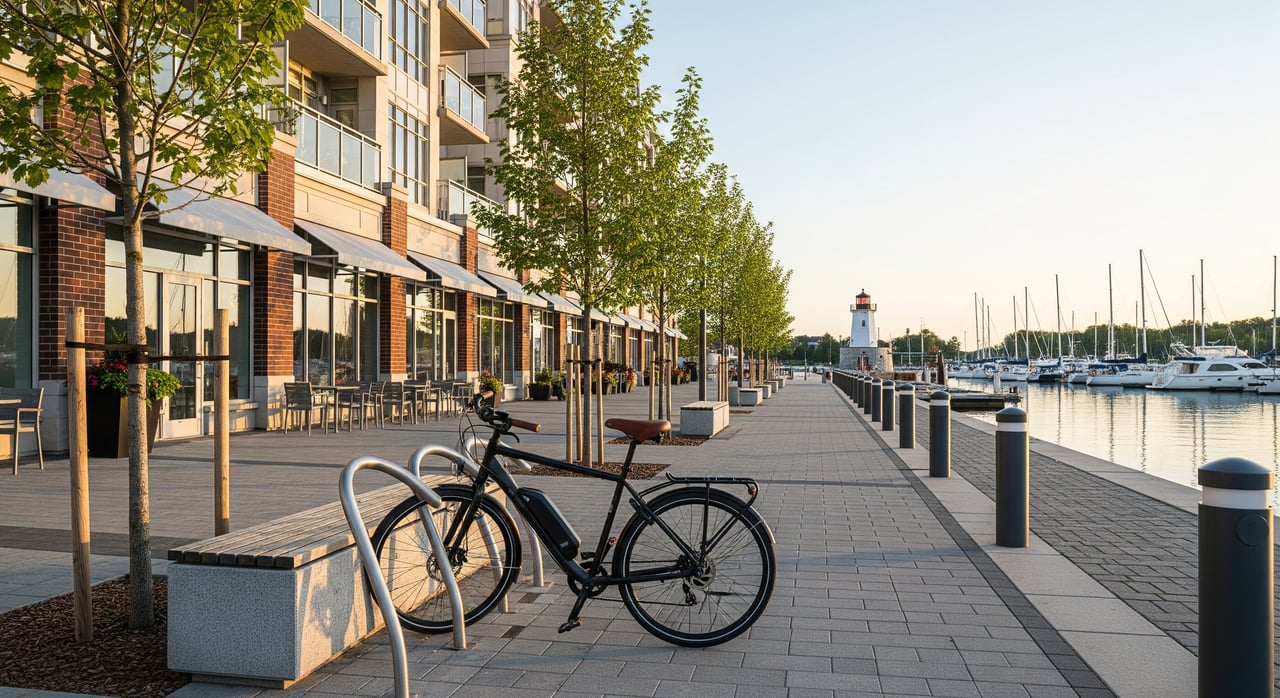
The Waterfront Trail and a network of multi-use paths offer scenic and efficient options for short commutes and errands. On-street cycling is a mix of bike lanes, paths and signed routes. Many residents use e-bikes to cut travel time to the GO station and shops. Secure bike storage at home and at your destination makes a big difference.
Hurontario corridor improvements
Rapid transit upgrades along Hurontario increase frequency and reliability on a key Mississauga corridor. Project timelines and stop details change over time. Verify the current operating status and the nearest stops to your target address before you buy.
The 15-minute neighbourhood in practice
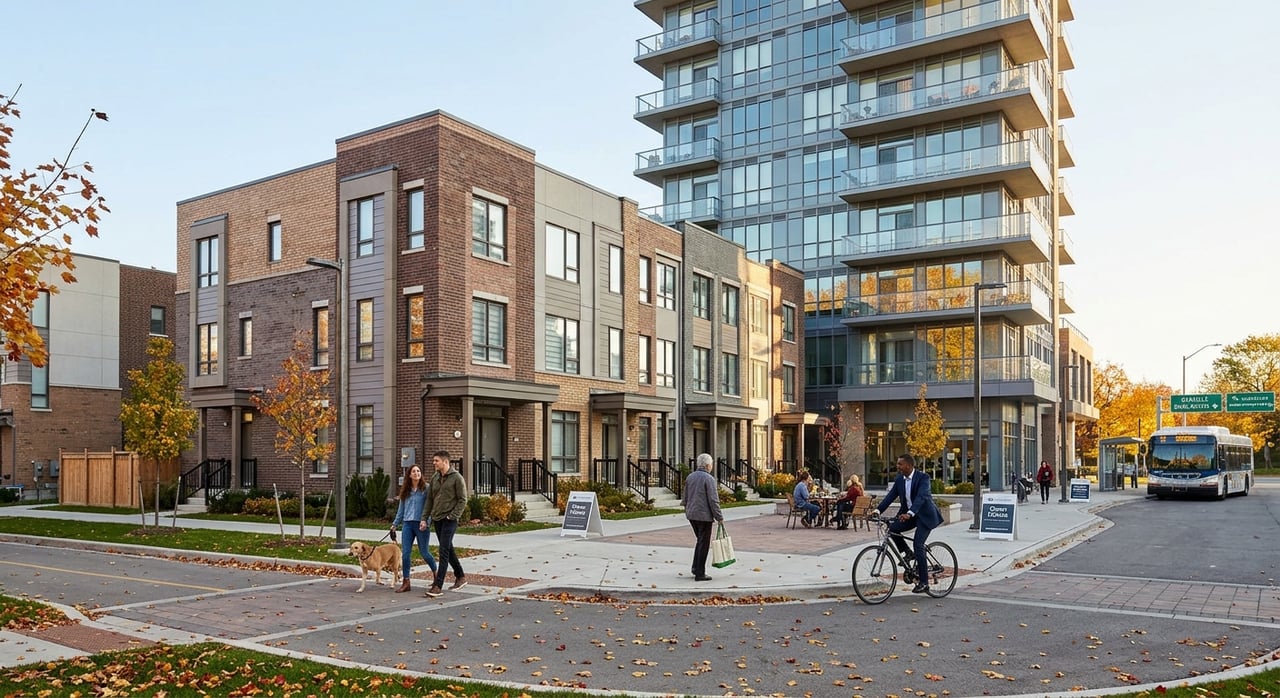
A car-light life works best when most needs are close by. In the core Port Credit area, you can typically reach these within a 10 to 15 minute walk of the GO station and Main Street area:
- Grocery, convenience and pharmacies
- Cafés, bakeries, restaurants and pubs along Lakeshore Road
- Waterfront parks, marina and promenades near the Credit River
- Community services such as a branch library and community centres
- Personal services like banks, salons, dry cleaners and small clinics
- Transit hub connections for regional and local trips
Expect a lively atmosphere in warmer months, with more activity along the waterfront. Evening options are good but smaller-scale than a downtown core, and some businesses keep seasonal hours. For specialized healthcare or hospital visits, plan a short drive or transit ride elsewhere in Mississauga.
Housing types that fit a car-light life
Condominiums
Mid and high-rise condos place you close to transit and shops with low-maintenance living. Common amenities include concierge, fitness rooms and party spaces. Many suites suit professionals and downsizers with one to two bedrooms plus a den.
Consider condo fees, what they cover and whether parking is included or separate. Ask about noise levels if the building is near Lakeshore Road or the rail corridor. If aging in place matters to you, prioritize step-free access and reliable elevators.
Stacked and traditional townhouses
Townhomes offer a private entrance and sometimes a small outdoor space with less upkeep than a detached home. These are often located on quiet residential streets just a short walk from the main strip. Parking arrangements vary by development, so confirm both assigned and visitor options.
Low-maintenance detached homes
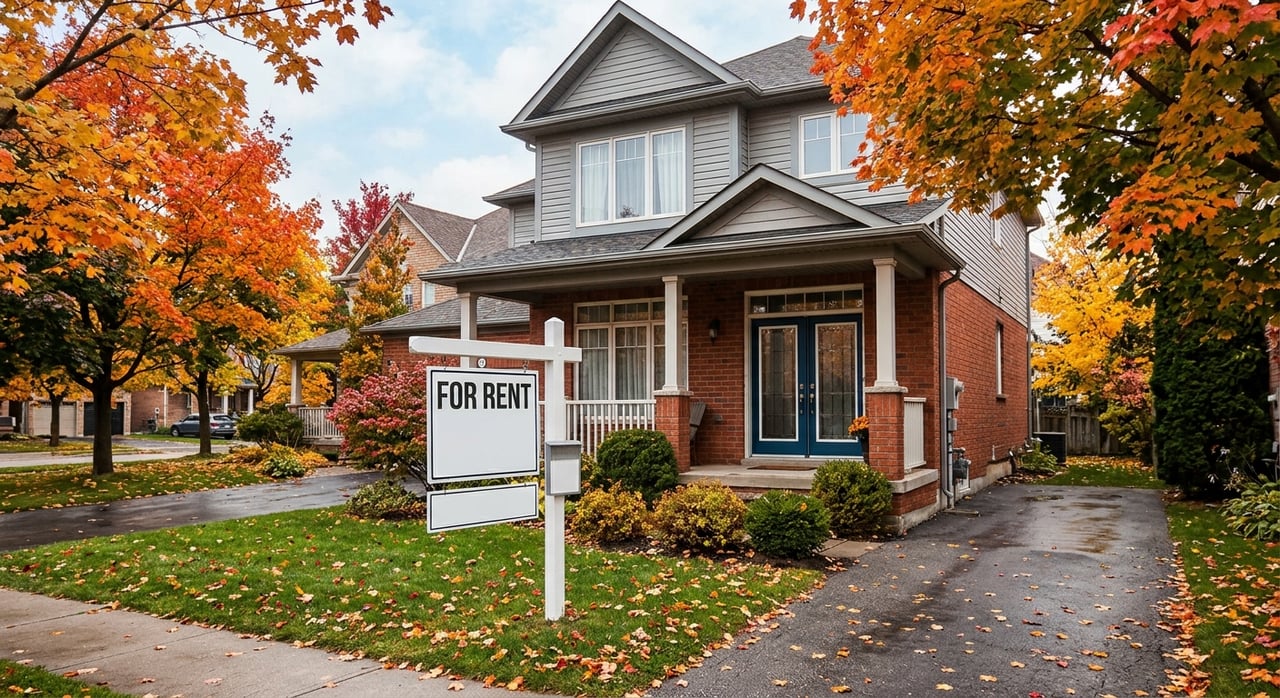
Smaller bungalows or right-sized detached homes can work if you want a yard with less maintenance. Prices are usually higher than condos or townhouses. Proximity to the GO station and main street varies, so weigh walkability against the extra space and privacy.
Features to prioritize for car-light living
- Walkable location within easy reach of the GO station and Lakeshore retail
- In-suite laundry and meaningful storage for daily convenience
- Secure bicycle storage and e-bike charging access
- Visitor parking and short-term options for guests who drive
- Accessibility features such as step-free entry, elevator reliability and supportive bathroom layouts
- Sound insulation and unit orientation away from heavy street or rail noise, if quiet is a priority
- Clear parking allocations and policies, including whether parking is bundled or sold separately
Practical risks and due diligence
A car-light lifestyle is about reducing friction. A smart due diligence process helps you avoid surprises.
- Commute and transit test: Time a real commute using current GO and MiWay schedules. Include walking or biking time to and from stations and stops.
- Noise and vibration: Visit the property at different times, including peak train periods and evenings along Lakeshore Road.
- Flood and conservation checks: Port Credit includes shoreline and river mouth areas. Review floodplain mapping and recent flood history with Credit Valley Conservation and the City of Mississauga, then speak with insurers about coverage and premiums.
- Parking and guest access: Confirm assigned parking, visitor supply and any overnight permit rules. Ask about EV charging in the building and nearby public options.
- Condo governance and finances: For condos, review the status certificate, reserve fund study, recent special assessments, and meeting minutes. Clarify pet rules, renovation policies and short-term rental restrictions.
- Winter walkability: Ask about snow clearing on sidewalks, paths and building entrances. Look at nighttime lighting on your route to transit and the waterfront.
- Accessibility and aging in place: Confirm elevator redundancy, step-free access from street to unit and practical interior layouts.
Waterfront vs inland trade-offs
Waterfront pockets offer views, promenade access and a vibrant seasonal scene. These locations often carry price premiums and may come with more foot traffic and activity. Units closer to the rail line or busy intersections can experience more noise.
Just inland, you might find quieter streets, townhomes and right-sized detached homes with a short walk to amenities. Prices can be more approachable depending on the pocket. Balance your budget, desired pace of life and need for quiet.
Costs beyond the purchase price
Plan for the full monthly picture so car-light savings are real.
- Property taxes and utilities based on unit type and size
- Condo fees and what they include such as heat, water, building insurance and staff
- Parking and locker costs if sold or leased separately
- Insurance requirements, especially for waterfront or low-lying locations
- Occasional mobility costs such as car-share, ride-hail or rentals for special trips
How to choose your Port Credit pocket
Start from the GO station and Main Street area, then explore in widening circles. The core area and blocks immediately inland generally offer the strongest walkability. Different pockets feel distinct based on street activity, proximity to parks and building types.
Do a “walk test” from any property you are considering. Time your walk to the GO platform, a grocery store, your preferred café and a pharmacy at the times you would normally go. This tells you more than any online map.
Is car-light living realistic year-round?
For many residents, yes. Transit, paths and a compact commercial core support a car-light routine in all seasons. Winter adds planning: confirm snow clearing standards along your routes and consider an e-bike with winter tires or a transit-first plan for colder months. Expect to use a car occasionally for larger errands or specialized trips.
How the Martin Group can help
If car-light living in Port Credit is your goal, you want a home that matches the lifestyle without surprise costs. Our team helps you evaluate walkability, transit access, building health and long-term value so you can buy with confidence. We also guide downsizers through accessibility features and transition planning.
Ready to explore the best pockets and properties for a walkable life by the lake? Reach out to the Martin Group for local guidance and a tailored plan.
FAQs
How long is the GO commute from Port Credit to downtown Toronto?
- Commute times vary with express versus all-stop trains and schedule changes. Check current Metrolinx timetables and test your door-to-door trip during your usual travel window.
Which parts of Port Credit are the most walkable for daily errands?
- The core around the GO station and Lakeshore Road, plus the blocks immediately inland, generally offer the best access to shops, cafés, parks and transit. Pocket differences matter, so do a walk test.
Is a car-light lifestyle practical year-round in Port Credit?
- Yes for many residents, with strong transit and paths supporting daily needs. Plan for winter by confirming snow clearing on routes and expect occasional car use for special errands.
What housing type suits downsizers who want walkability?
- Condos near the GO station and main street work well for low-maintenance living and accessibility. Townhomes or small bungalows can also fit if you prefer a private entrance or outdoor space.
Are there flooding risks I should consider near the waterfront?
- Some shoreline or river mouth areas can be flood-prone. Review mapping and policies with Credit Valley Conservation and the City of Mississauga and speak with insurers about coverage.
How much do condo fees and parking add to monthly costs?
- Fees vary by building and amenities, and parking may be included or separate. Confirm the monthly amount, what is covered and whether parking or lockers add extra cost before you buy.
Frequently Asked Questions
Can I live car-light in Port Credit?
Yes — it is one of Mississauga's most walkable, transit-oriented neighbourhoods. The GO station anchors regional travel, the Lakeshore Road main street handles daily needs, and MiWay plus the trail network covers the rest.
What transit options are available?
Port Credit GO on the Lakeshore West line for regional trips, MiWay routes along Lakeshore Road and Hurontario for local errands, and the Hurontario corridor with ongoing rapid transit improvements.
How should I test whether it works for me?
Do a live run. Check current GO timetables and actually travel your door-to-door route during the window you would normally commute — express and all-stop patterns differ significantly by time of day.
Is cycling practical here?
Yes. The Waterfront Trail and a network of multi-use paths handle short commutes and errands, with on-street cycling a mix of bike lanes, paths and signed routes. Many residents use e-bikes to cut the trip to the GO station.
What should I check before buying?
Secure bike storage at home and at your regular destinations, plus a PRESTO card to simplify transfers between MiWay and GO. Small logistics like storage are what make car-light living stick.
Does car-light living affect resale?
Walkable, transit-served locations tend to hold appeal with a broad buyer pool, which supports value. Confirm the specific block, though — walkability in Port Credit drops off noticeably outside the core.