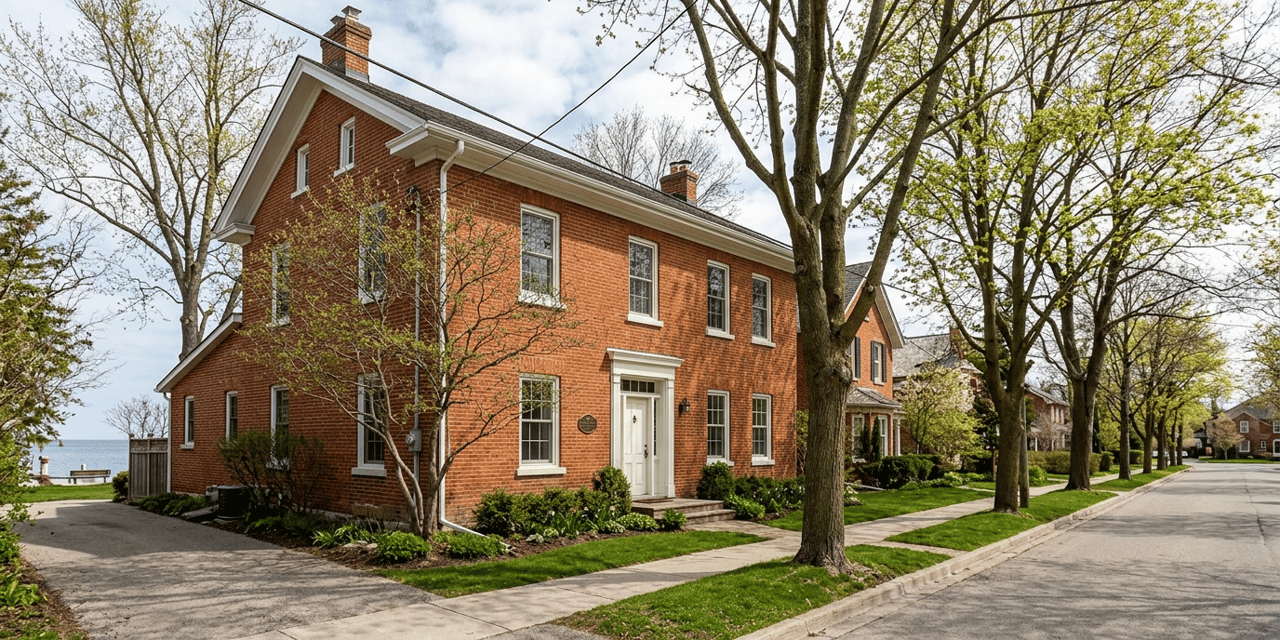
The Direct Answer (The Snippet)
The hidden costs of buying Oakville heritage homes primarily stem from specialized insurance premiums, premium material requirements (like custom wood-sash windows), and expert consultancy for Ontario Heritage Act compliance. While the Town doesn't charge for Heritage Permits, owners often face higher "soft costs" for Heritage Impact Assessments and must use historically accurate trades, which can increase renovation budgets by 20% to 30% compared to standard builds.
The Deep Dive: Stewardship and the Bottom Line
Purchasing a designated property in the Old Oakville Heritage Conservation District (HCD) means you are investing in a legacy, but that legacy comes with specific financial guardrails. Under the Ontario Heritage Act, any alteration to the "heritage attributes" of your home typically the exterior facade, roofline, and visible materials requires a Heritage Permit. Unlike a standard renovation where you might swap wood for vinyl to save costs, heritage guidelines often mandate "like-for-like" restoration. For a Victorian or Regency-style home, this means sourcing artisan brick masons or custom millworkers, whose labor rates reflect their specialized skill sets.
Beyond the physical materials, the "hidden" timeline costs are significant. The approval process involves the Heritage Oakville Advisory Committee, which meets monthly. If your project is complex, you may need to hire a heritage consultant to draft a Cultural Heritage Impact Statement. Furthermore, securing insurance can be a hurdle; many standard carriers shy away from heritage properties due to the "guaranteed replacement cost" of rare materials, leading owners toward specialized high-value home insurers with higher annual premiums.
Local Nuance: Oakville’s 2026 Landscape
In 2026, the Town of Oakville has intensified its Heritage Designation Project to protect properties before provincial deadlines. If you are looking in neighborhoods like Bronte, First Street, or Joshua Creek, it is vital to check if a property is "Listed" or "Designated." While Listed properties have fewer restrictions, the Town is actively transitioning many to full Designation.
However, Oakville provides unique financial offsets that savvy buyers should leverage:
Heritage Grant Program: Owners of designated properties can apply for matching grants of up to $15,000 for eligible conservation work.
Property Value Resilience: Data shows that homes within Oakville’s heritage districts maintain higher resale stability, as the designation prevents "monster home" infills that can disrupt neighborhood character.
Checklist of Potential Heritage Expenses
Insurance Appraisal: Specialized valuation to ensure "historic replacement" coverage.
Premium Materials: Sourcing slate, copper, or authentic wood trim instead of modern composites.
Specialist Trades: Fees for stone carvers, leaded glass restorers, or lime-mortar specialists.
Consultancy Fees: Costs for required heritage impact reports for major additions.
About the Author
Cory Martin is Broker and Co-Founder of Martin Group, serving Oakville, Burlington and the surrounding Halton communities. Martin Group has performed in the Top 1% by TRREB MLS® sales volume every year since 2008.
Professional Guidance for Your Heritage Investment
Navigating the complexities of the Ontario Heritage Act requires a real estate team that understands both the legal restrictions and the long-term value of these unique assets. At Martin Group, we specialize in the Oakville luxury market, ensuring our clients are fully informed of every byproduct of heritage ownership from grant eligibility to permit timelines.
Whether you are seeking a historic estate in Old Oakville or an eco-conscious luxury build in Glen Abbey, we provide the data-driven insights you need to move forward with confidence.
Contact Martin Group today to schedule a consultation for your next Oakville move.
"Profit from our experience."

Frequently Asked Questions
How much more does it cost to renovate a heritage home in Old Oakville?
Roughly 20% to 30% more than a standard build. Heritage guidelines often mandate like-for-like restoration, so you are sourcing artisan brick masons or custom millworkers whose labour rates reflect their specialised skills, along with premium materials such as slate, copper or authentic wood trim.
Does the Town of Oakville charge for a Heritage Permit?
No. The Town does not charge for Heritage Permits themselves. The costs are soft costs — Heritage Impact Assessments, heritage consultants to draft a Cultural Heritage Impact Statement, and the time involved, since the Heritage Oakville Advisory Committee meets monthly.
Is it harder to insure a heritage designated home?
Often yes. Many standard carriers avoid heritage properties because of the guaranteed replacement cost of rare materials, which pushes owners toward specialised high-value home insurers with higher annual premiums and a specialised appraisal for historic replacement coverage.
Are there grants to offset heritage conservation work in Oakville?
Yes. Owners of designated properties can apply to the Town’s Heritage Grant Program for matching grants of up to $15,000 for eligible conservation work. Homes in heritage districts also tend to hold resale value well, because designation prevents the monster-home infills that disrupt neighbourhood character.
What is the difference between a Listed and a Designated property?
Listed properties carry fewer restrictions than Designated ones, but the distinction is not permanent — through its Heritage Designation Project the Town is actively transitioning many Listed properties to full Designation, so it is worth confirming a property’s status before you buy.