Navigating the Federal Foreign Buyer Ban: What It Means for Oakville Real Estate
The Direct Answer
The federal Prohibition on the Purchase of Residential Property by Non-Canadians Act (the "Foreign Buyer Ban"), extended until January 1, 2027, restricts most non-Canadians—excluding citizens and permanent residents from buying residential property in Oakville, as the town is part of the Greater Toronto Area Census Metropolitan Area (CMA). While the initial intent was to cool markets, its direct impact on Oakville’s supply-constrained, high-end segment is primarily administrative, adding a mandatory layer of eligibility screening. Crucially, significant exemptions exist for temporary residents (students, workers) who meet specific criteria, meaning qualified international buyers are still active in the Halton Region market.
The Deep Dive
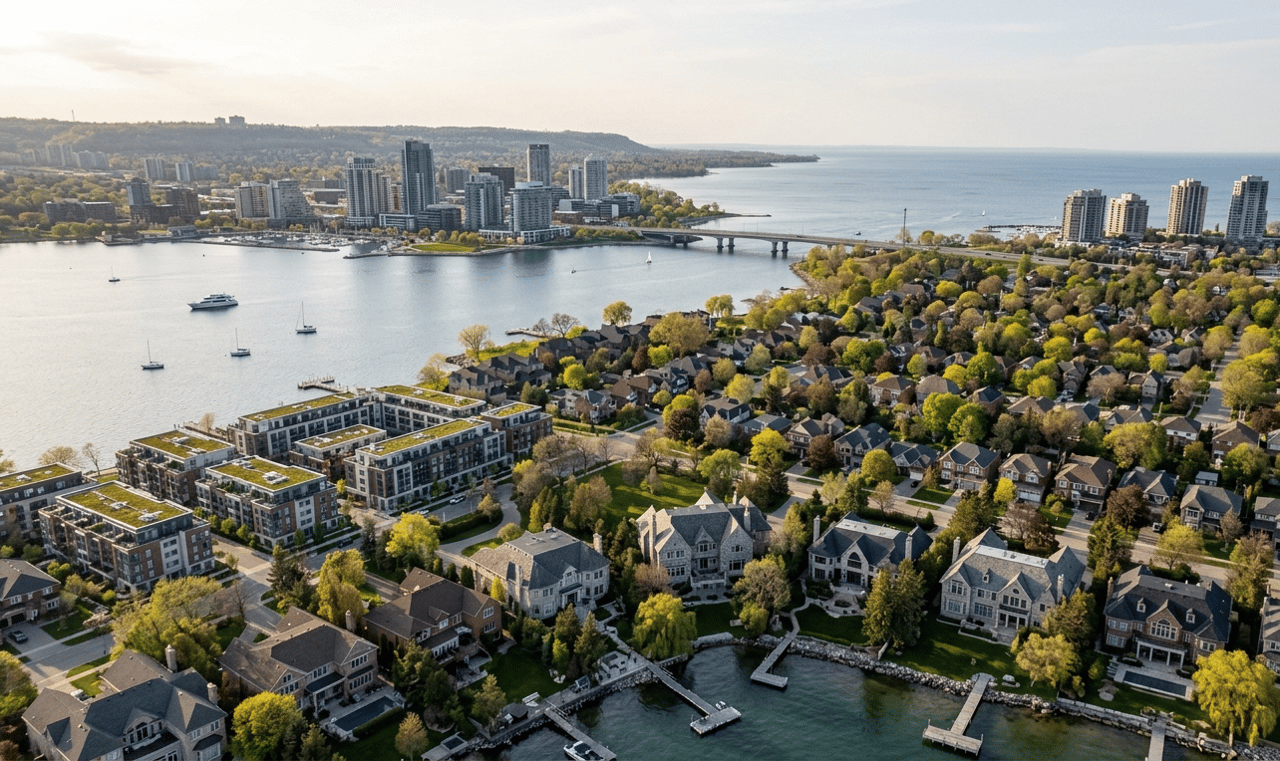
Oakville has long been a desirable destination for international investment, particularly in its luxury real estate segment, thanks to its top-tier schools, upscale amenities, and proximity to Toronto. The federal Foreign Buyer Ban, which came into effect on January 1, 2023, has introduced a new dimension of compliance for both buyers and sellers in this market.
The core of the legislation is to prohibit the purchase of residential property by individuals who are neither Canadian citizens nor permanent residents. The definition of "residential property" includes detached houses, semi-detached homes, and condo units—the very property types most common in Oakville.
However, the Act is not an absolute barrier. Its most significant effect has been to shift the pool of eligible international buyers rather than eliminating them entirely. For sellers, this means a slightly smaller, more defined pool of prospective non-resident buyers. For buyers who fall under the non-Canadian category, due diligence is now more critical than ever, as compliance is mandatory to avoid penalties.
Local Nuance: Halton's Luxury & Regulatory Landscape
Oakville is firmly located within a Census Metropolitan Area (CMA), which means the ban fully applies here. Unlike some remote or rural areas that are exempt, transactions in high-demand neighbourhoods like Joshua Creek, Glen Abbey, and Bronte must strictly adhere to the federal rules.
Furthermore, it’s vital to distinguish between the Federal Ban and the Provincial Non-Resident Speculation Tax (NRST), which applies in Ontario. A non-Canadian who is exempt from the Federal Ban (e.g., a qualifying work permit holder) is still generally subject to the 25% NRST upon closing, although a refund may be available later if specific residency requirements are met. This two-tiered regulatory environment is the true challenge for international capital in the Halton Region.
Key exemptions to the Federal Prohibition include:
-
Permanent Residents & Citizens: Completely unaffected.
-
Temporary Foreign Workers: Can purchase one residential property if they have 183 days or more remaining on their work permit at the time of purchase.
-
International Students: Can purchase one residential property if they meet specific criteria related to tax filings and physical presence in Canada.
-
Developers: Exemptions exist for foreign entities purchasing residential land for development purposes.
This complex interplay between federal prohibition, provincial tax, and numerous exemptions requires expert guidance. The successful sale or purchase of an Oakville luxury home involving international capital depends entirely on meticulous verification and strategic planning.
Secure Your Oakville Real Estate Strategy Consultation
Ready to navigate the complexities of the Oakville real estate market with compliance and confidence? Contact Martin Group for a personalized strategy that accounts for all federal and provincial regulations. Profit from our experience.