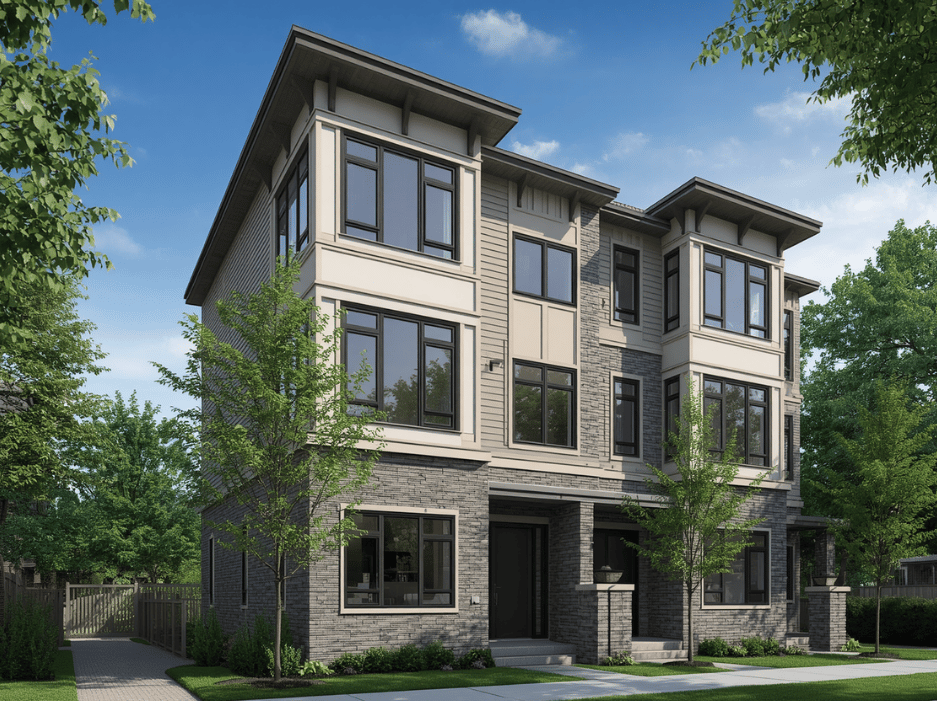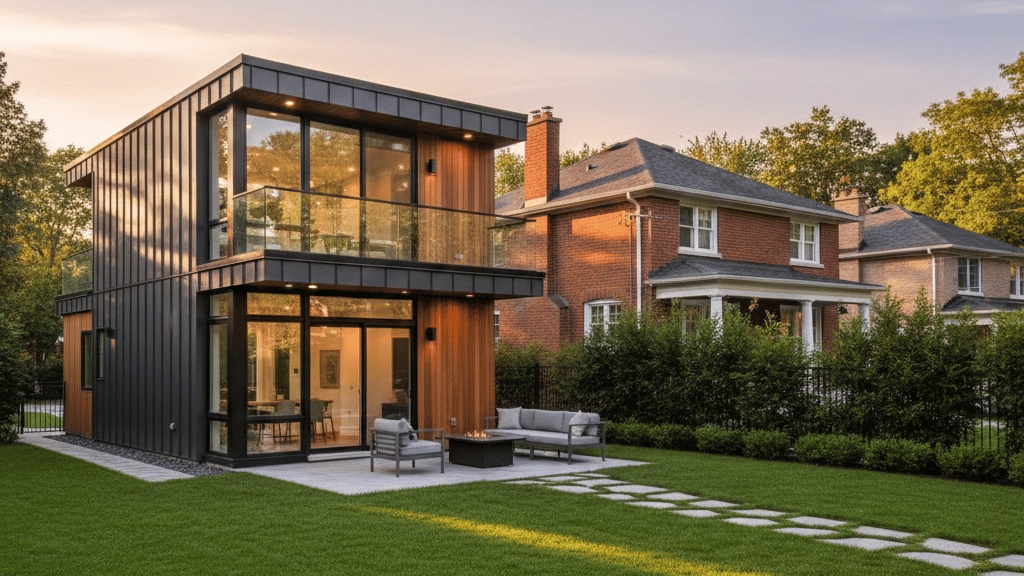
Ending "exclusionary zoning" typically leads to a more efficient tax base by allowing for higher density, such as garden suites or townhomes, on land previously reserved for single-family homes. While increased density can raise the assessed market value of your specific land potentially increasing your individual bill it often lowers the per-household cost of municipal services like snow clearing and road maintenance, helping to stabilize the overall municipal tax rate over the long term.
The Deep Dive: Density vs. Infrastructure Costs
Exclusionary zoning has long dictated the landscape of Oakville, mandating large lots and single-detached dwellings. When these rules are relaxed (often called "upzoning"), the immediate impact is on property valuation. The Municipal Property Assessment Corporation (MPAC) assesses properties based on their "highest and best use." If your lot in a neighborhood like Glen Abbey or River Oaks is suddenly zoned to allow for a secondary suite or a coach house, its market value may rise because the land now possesses greater income-earning potential.
However, from a Halton Region perspective, exclusionary zoning is often "fiscally thin." Single-family subdivisions require miles of pipes, roads, and electrical grids to serve relatively few residents. By transitioning toward higher-density models, the Town of Oakville can spread the fixed costs of infrastructure across more taxpayers. In fact, the 2026 Oakville Budget highlights that modernizing our density allows the town to keep tax increases currently at a modest 1.96% well below the rate of inflation, despite significant provincial funding gaps.
Local Nuance: The Oakville Context in 2026
In Oakville, the shift away from exclusionary practices is heavily influenced by provincial legislation like Bill 23. This has forced a "modernization" of how we pay for growth.
-
The 2026 Stormwater Fee: To keep property tax hikes low, Oakville introduced a dedicated stormwater fee (approximately $137/year for detached homes). This moves infrastructure costs off the general tax levy and onto a model based on property runoff.
-
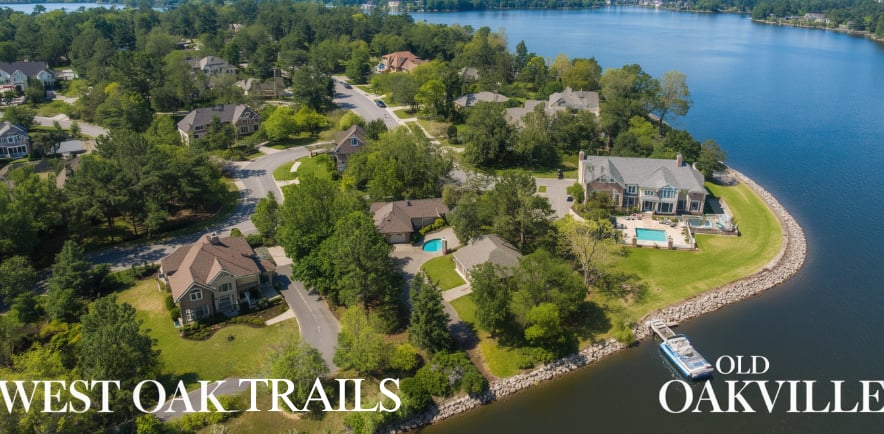
Additional Residential Units (ARUs): Under current rules, homeowners can have up to four units on a lot with a detached house (three with a semi-detached or townhouse) as-of-right. In 2026, these units are exempt from development charges, making "house hacking" in areas like College Park or West Oak Trails a viable way to offset your own carrying costs.
-
Infrastructure Funding Gap: Because Bill 23 reduced the fees developers pay to the town, Oakville faces a multi-million dollar shortfall. This means that while zoning is opening up, the tax burden for maintaining parks and roads is shifting more toward existing ratepayers.
Key Factors Influencing Your Tax Bill
-
Market Value Assessment: Increased density rights usually boost your land’s underlying value.
-
Service Efficiency: Multi-unit properties are mathematically cheaper for the Town to service than sprawling estates.
-
The "Bill 23" Effect: Lower developer contributions mean the Town must find revenue elsewhere, often through separate fees or the general levy.
-
Neighborhood Transition: High-growth areas like Midtown Oakville and the Bronte GO corridor are absorbing the bulk of new density to protect the tax rates of established residential pockets.
Profit From Our Experience
The intersection of zoning law and municipal taxation is complex, and the 2026 landscape in Halton Region is shifting faster than ever. Whether you are looking to unlock the value of your lot through an Additional Residential Unit or you want to understand how Midtown’s density affects your neighborhood’s long-term tax stability, you need a data-driven partner. Contact Martin Group today for a specialized consultation on your property's potential.
Profit from our experience.

Frequently Asked Questions
Will ending exclusionary zoning raise my property taxes?
It can raise your individual bill while helping the overall rate. MPAC assesses on highest and best use, so if your lot is rezoned to permit a secondary suite or coach house its market value may rise. But spreading infrastructure costs across more households helps stabilise the municipal rate.
Why is low-density housing described as fiscally thin?
Because single-family subdivisions require miles of pipes, roads and electrical grid to serve relatively few residents. Higher-density models spread those fixed costs across more taxpayers.
What did Oakville’s 2026 budget increase come to?
1.96% — below inflation, which the Town attributes partly to modernising density despite significant provincial funding gaps.
What is the 2026 stormwater fee?
A dedicated charge of roughly $137 a year for a detached home that moves infrastructure costs off the general tax levy onto a model based on property runoff, which is part of how the Town kept the tax increase low.