The Direct Answer (The "Snippet")
To identify a Passive House in a GTA listing, look for specific technical certifications like PHI or PHIUS. Unlike standard energy-efficient homes, a true Passive House must meet rigorous airtightness targets (0.6 ACH50) and utilize a high-performance Energy Recovery Ventilator (ERV). In the Oakville market, these listings often highlight triple-pane windows, thick "super-insulated" walls, and the absence of a traditional high-velocity furnace.
The Deep Dive
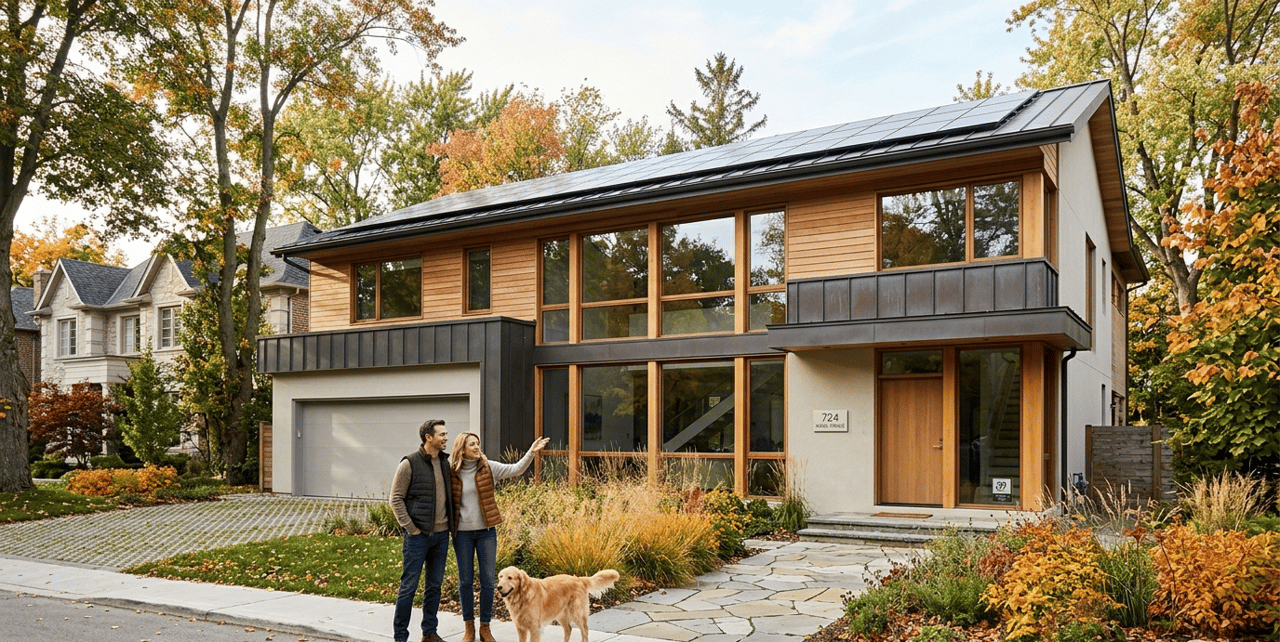
In the 2026 Greater Toronto Area market, "sustainability" has moved from a buzzword to a primary value driver. However, there is a significant difference between a home that is simply "green" and one built to the Passive House standard. A Passive House is engineered to reduce heating and cooling energy consumption by up to 90% compared to typical Ontario builds. This is achieved through a "fabric-first" approach that prioritizes the building's shell over complex mechanical systems.
When browsing luxury listings, pay close attention to the construction details. A genuine Passive House will feature an uninterrupted thermal bridge-free design. This means the insulation is continuous, preventing heat from escaping through structural components like concrete floor slabs or metal spacers. These homes are so efficient that they often maintain a comfortable internal temperature using nothing more than solar gain and the heat generated by internal appliances and occupants.
Local Nuance
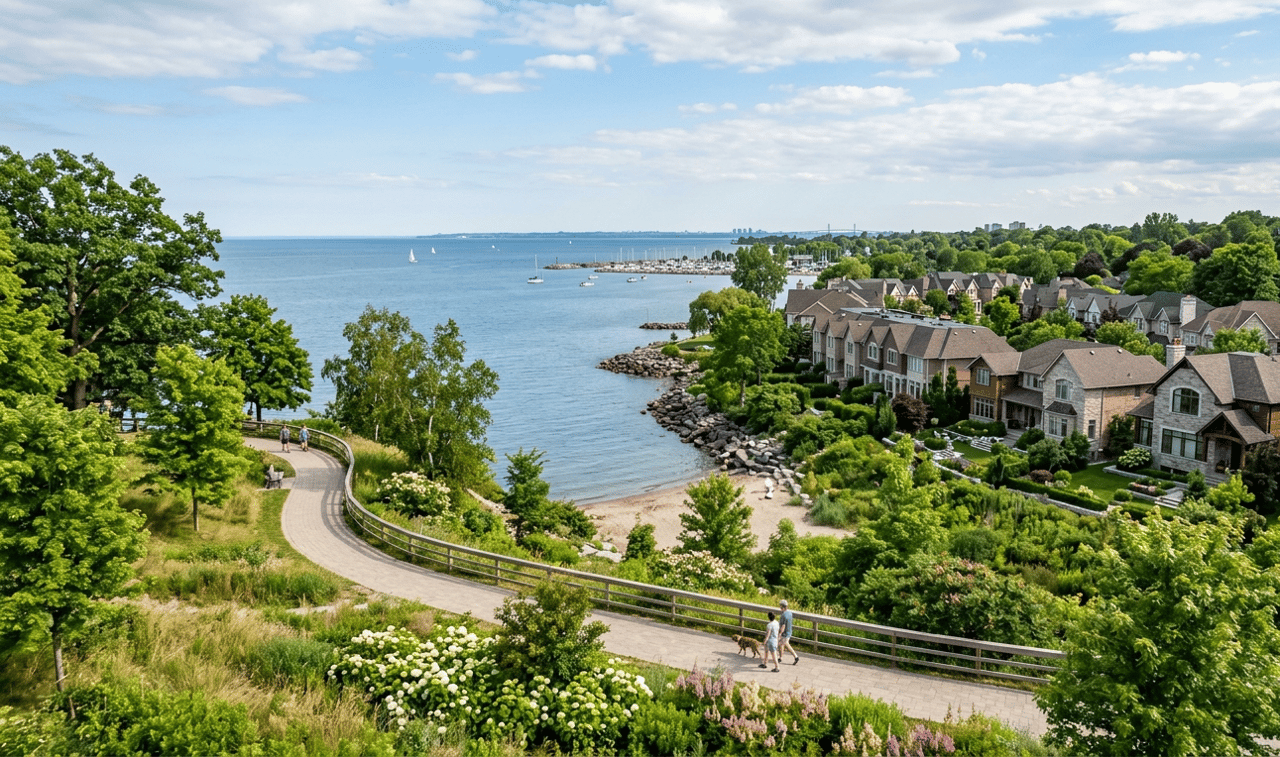
In Oakville's premier neighborhoods like Joshua Creek and Eastlake (Southeast Oakville), we are seeing an influx of modern, high-performance custom builds. Given our local climate characterized by humid summers and cold, lake-effect winters Oakville Passive Houses are often equipped with specialized exterior shading to prevent "overheating" during July peaks.
Furthermore, if you are looking at heritage-designated areas like Old Oakville, keep an eye out for EnerPHit certifications. This is the specific Passive House standard for retrofitted older homes, allowing residents to enjoy world-class efficiency without compromising the town’s historic aesthetic. With current Halton market trends showing a 1–3% price appreciation for premium freehold properties in 2026, a certified Passive House represents one of the most resilient and future-proof investments in the region.
Passive House Checklist for GTA Buyers:
-
Airtightness: Mentions of a "Blower Door Test" with a result of 0.6 ACH @ 50 Pa or lower.
-
Glazing: High-performance triple-pane windows, often European tilt-and-turn models.
-
Ventilation: A dedicated Heat or Energy Recovery Ventilator (HRV/ERV) providing 24/7 fresh air.
-
Heating: Minimalist heating requirements (e.g., small electric post-heaters rather than a gas furnace).
-
Solar Orientation: Large south-facing windows designed to capture natural warmth in winter.
Plan Your Next Move
Whether you are searching for a cutting-edge sustainable build in Bronte or looking to market a high-performance executive home in Glen Abbey, precision matters. Understanding the technical nuances of the 2026 market ensures you don't leave money on the table.
For expert guidance and a strategic approach to the Oakville luxury market, contact Martin Group today.
Profit from our experience.