The Direct Answer (The "Snippet")
In 2026, the "Cash Flow Positive" threshold for a GTA condo requires a 35% to 40% down payment. With Oakville condo prices averaging $715,000 and rents for premium one-bedroom units at approximately $2,450, investors must reduce mortgage debt to offset 2026's higher maintenance fees (averaging $0.85/sq. ft) and property taxes. Relying on 20% down today typically results in a monthly deficit of $400+.
Note: The market figures in this post reflect data available in February 2026. Prices change month to month — for the latest numbers, see the newest market update on our blog.
The Deep Dive: The "New Math" of 2026
The real estate landscape in 2026 has undergone a fundamental shift from speculative appreciation to yield-based stability. While the Bank of Canada has stabilized the overnight rate at 2.25%, the carrying costs for a standard 650-square-foot unit including rising condo insurance and utility premiums often exceed $3,500 per month at traditional leverage points. To move from "negative carry" to a true surplus, the modern investor must focus on equity over debt.
For a mid-range Oakville investment, the math is unforgiving. After accounting for a 0.7% property tax rate and maintenance fees that have climbed due to reserve fund recalibrations, a 20% down payment no longer cuts it. To achieve a neutral or positive position, investors are now injecting roughly $250,000 to $285,000 in initial capital. This reduces the monthly mortgage obligation enough to allow the rental income to cover all outflows, leaving a modest "safety buffer" for vacancies.
The 2026 Investor Checklist
To secure a cash-flow-positive asset in the current Halton market, look for these specific indicators:
-
Down Payment: Aim for 35%+ to ensure a monthly net surplus.
-
Maintenance Fees: Target buildings with fees below $0.78/sq. ft; avoid those with aging infrastructure or underfunded reserve funds.
-
The "Rental Pivot": Prioritize units with "lifestyle" upgrades (EV charging, coworking lounges) that command a $200–$300 premium over base market rents.
-
Occupancy Strategy: Focus on the "Toronto Exit" demographic young professionals moving to Oakville for a better quality of life.
Local Nuance: Oakville’s Micro-Markets
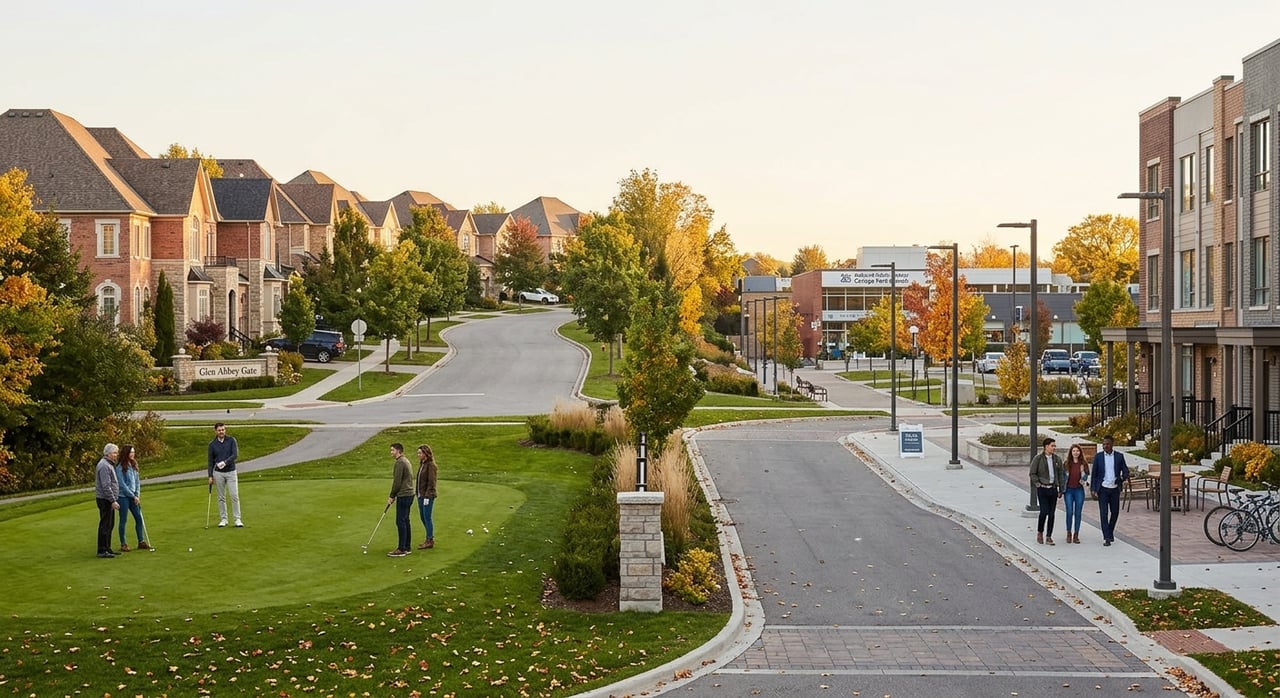
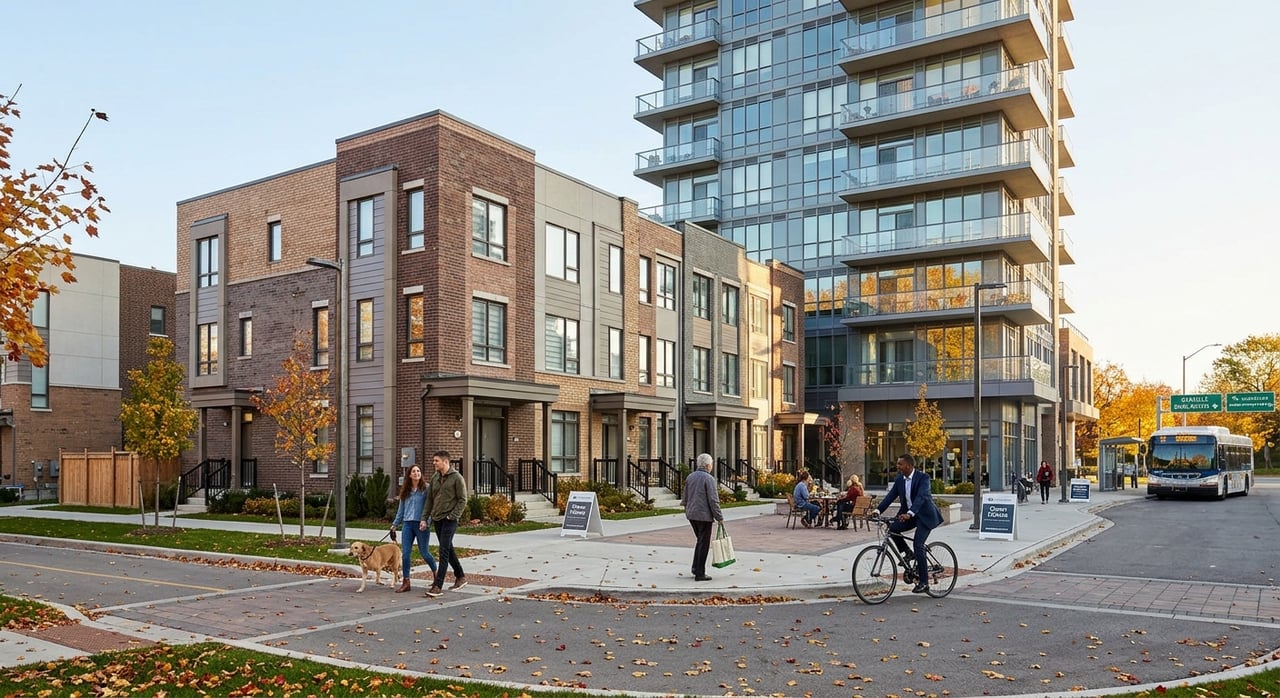
The threshold varies significantly between neighborhoods. In Bronte Village, luxury lakeside condos are seeing resilient demand from downsizers, often allowing for a slightly lower threshold if the unit features a high-demand water view. Conversely, in the Uptown Core (Dundas & Trafalgar), a surge of new completions has created a temporary rent ceiling, making it harder to reach positive cash flow without a full 40% down payment.
Investors in Joshua Creek are finding success by targeting larger two-bedroom units. While the entry price is higher, the "school catchment" effect driven by top-rated schools like Iroquois Ridge ensures zero vacancy and a tenant profile that values long-term stability, protecting your ROI against market volatility.
Contact Martin Group
Navigating the complexities of the 2026 investment market requires a surgical approach to data. Whether you need a pro-forma analysis for a Bronte condo or a strategy to rebalance your Halton portfolio, we are here to help. Get expert advice, contact us today.
Profit from our experience.

Frequently Asked Questions
What down payment do I need for a cash-flow-positive GTA condo?
Roughly 35% to 40% in 2026. At 20% down, a typical Oakville unit runs a monthly deficit of $400 or more.
What are the numbers on a typical Oakville condo?
Average price around $715,000, premium one-bedroom rents near $2,450 per month, maintenance fees averaging $0.85 per square foot, and a property tax rate of about 0.7%.
How much capital does that actually require?
Roughly $250,000 to $285,000 as an initial injection. That reduces the mortgage enough for rent to cover all outflows and leave a modest buffer for vacancy.
Why have carrying costs risen so much?
Condo insurance and utility premiums have climbed, and maintenance fees have been recalibrated as reserve funds were topped up. For a 650 square foot unit, total carrying costs often exceed $3,500 per month at traditional leverage.
What should I look for in a building?
Maintenance fees below $0.78 per square foot, a well-funded reserve, and no aging infrastructure. Lifestyle amenities such as EV charging and coworking lounges can command a $200 to $300 rent premium over base market rates.
Is a condo investment still worth it?
The model has shifted from appreciation to yield, which means it works only if you bring substantial equity. Whether that is the right use of $250,000 depends entirely on your situation — we are not financial advisors, so discuss it with your accountant first.