The Direct Answer: Managing the "Rain Tax"
Permeable driveways significantly lower your property’s environmental impact and, as of January 2026, directly affect your municipal costs in Oakville. Under the Town’s new dedicated stormwater fee system, assessments are based on a property’s "hard surface" area. By replacing traditional asphalt with permeable pavers, homeowners can reduce their contribution to municipal runoff, positioning themselves for future credits that offset the annual levies now being phased into your tax bill.
The Deep Dive: Runoff vs. Revenue
For decades, stormwater management in the Halton Region was funded through general property taxes. As of January 2026, Oakville has officially pivoted to a "user-pay" model. This shift ensures that properties creating the most runoff due to expansive roofs or traditional paved driveways pay a proportionate share to maintain the infrastructure that prevents neighborhood flooding.
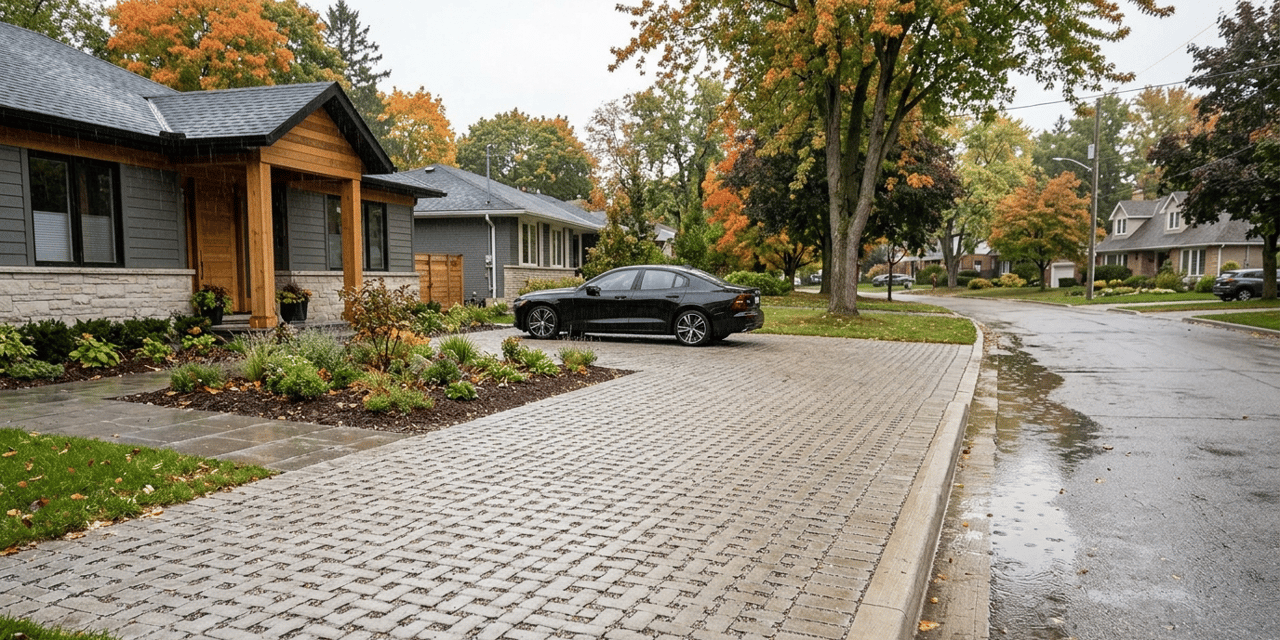
Permeable driveways, constructed with specialized interlocking pavers or porous materials, allow rainwater to filter directly into the ground rather than surging into the municipal sewer system. From a city assessment perspective, this material change reduces the "runoff coefficient" of your property. While residential properties are currently in a three-year phase-in period, moving toward a full annual fee by 2028, investing in permeability now is a proactive way to "future-proof" your home against rising infrastructure costs.
Key 2026 Stormwater Fee Facts
-
2026 Phase-In: Residential owners currently pay only 50% of the full fee (approximately $137 for low-density detached homes).
-
Full Implementation: By 2028, the full annual rate for a detached home is set to reach $273.
-
Hard Surface Calculation: Fees are tiered based on property type (Low, Medium, or High density) to reflect the average "impervious" area.
-
Environmental Credits: While a formal residential credit application for permeable driveways is still being streamlined, the Town uses these metrics to determine future rate structures and infrastructure load.
Local Nuance: Oakville’s 2026 Landscape
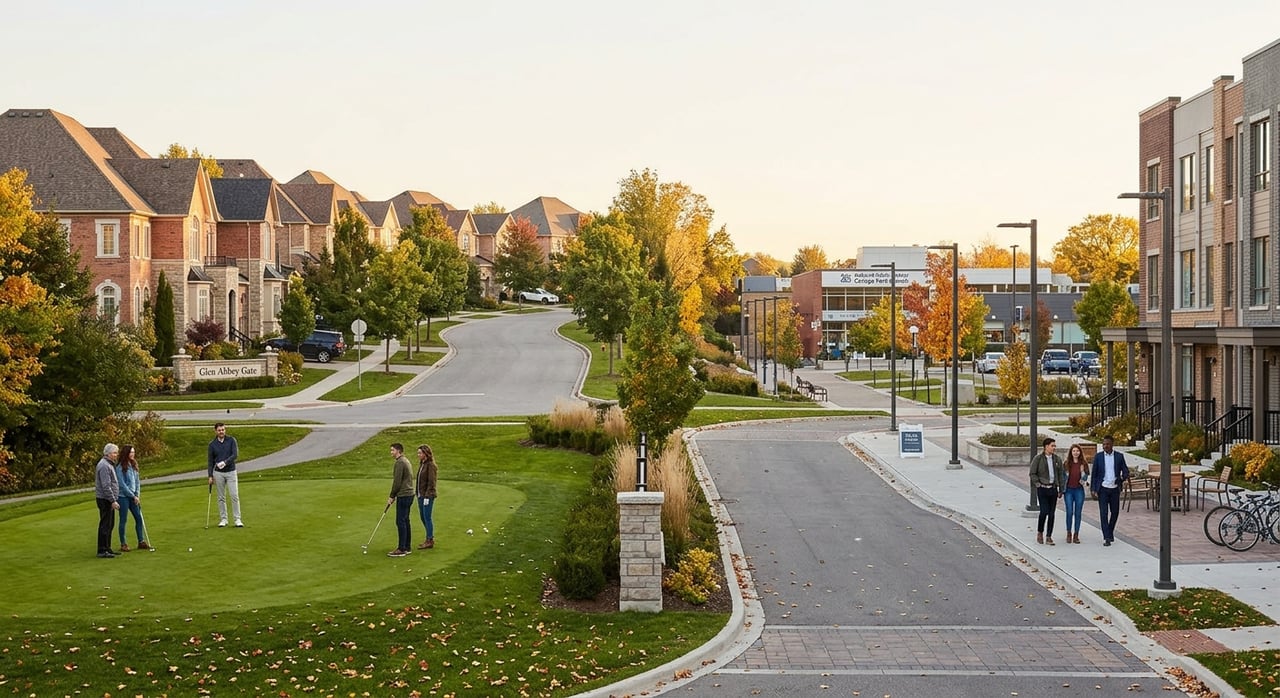
In high-demand neighborhoods like Joshua Creek, Bronte, and Glen Abbey, where larger home footprints and multi-car driveways are standard, the impact of the new fee is most visible. The Town of Oakville has specifically earmarked these funds for the Rainwater Management Plan, which includes major resiliency projects to protect properties from the increasingly frequent "100-year" storm events.
Furthermore, any driveway modification in Oakville requires a Development Engineering Permit. If you are looking to widen your entrance or change materials, you must comply with the Driveway Permits Procedure. In areas with sensitive grading requirements, such as those near Bronte Creek or the Old Oakville waterfront, the Town often views permeable solutions favorably during the permit process because they mitigate the risk of water adversely affecting adjacent properties—a requirement under the Ontario Building Code.
Take the Next Step
Navigating the intersection of property value, municipal fees, and sustainable upgrades requires local expertise. If you are looking to maximize your home's efficiency or are curious how the 2026 market shifts affect your property’s bottom line, we are here to guide you.
Contact Martin Group today for a quiet consultation on your home’s value and future.
Profit from our experience.

Frequently Asked Questions
How is Oakville’s stormwater fee calculated?
On your property’s hard surface area. As of January 2026 the Town moved from funding stormwater through general property taxes to a user-pay model, so properties generating more runoff pay proportionately more.
What does the fee cost and when does it reach full rate?
Residential owners are in a three-year phase-in paying 50% for 2026 — roughly $137 for a low-density detached home — rising to a full annual rate of $273 by 2028.
Do permeable driveways actually lower the bill?
They reduce your property’s runoff coefficient by letting rainwater filter into the ground rather than surging into the sewer system. A formal residential credit application is still being streamlined, but the Town uses these metrics to set future rate structures.
Is it worth installing one now?
It is a way to future-proof against rising infrastructure costs, since the fee roughly doubles between 2026 and 2028 and is assessed on exactly the surface area a permeable driveway reduces.