Trying to choose between an Old Oakville heritage home and a newer build? You are not just comparing square footage, finishes, or age. In this part of Oakville, your decision can affect how you renovate, what approvals you may need, and how much ongoing upkeep you want to take on. This guide will help you weigh character, maintenance, rules, and long-term fit so you can make a smarter move in Old Oakville. Let’s dive in.
Why this choice matters in Old Oakville
Old Oakville is one of Oakville’s core heritage areas, and that shapes the buying decision in a very real way. The Old Oakville Heritage Conservation District extends south of Robinson Street to the lakefront, from Sixteen Mile Creek to Allan Street, with a concentration of heritage resources in the residential area south of Lakeshore Road.
That means the question is not simply whether you prefer an older home or a newer one. In many cases, you are also deciding how much stewardship, oversight, and planning complexity you are comfortable with as an owner.
Oakville’s heritage framework is designed to manage change, not stop it completely. In most cases, the protected features are limited to the exterior of the building, which is an important distinction for buyers thinking about updates.
What a heritage home offers
Character and sense of place
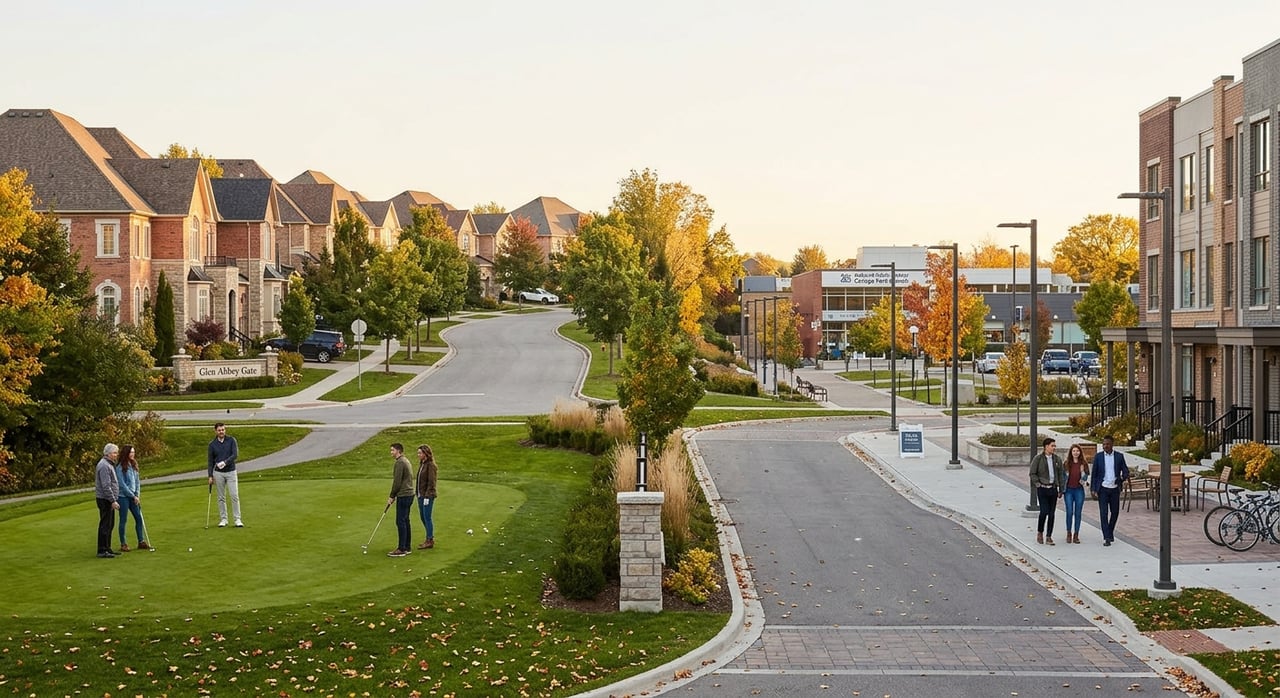
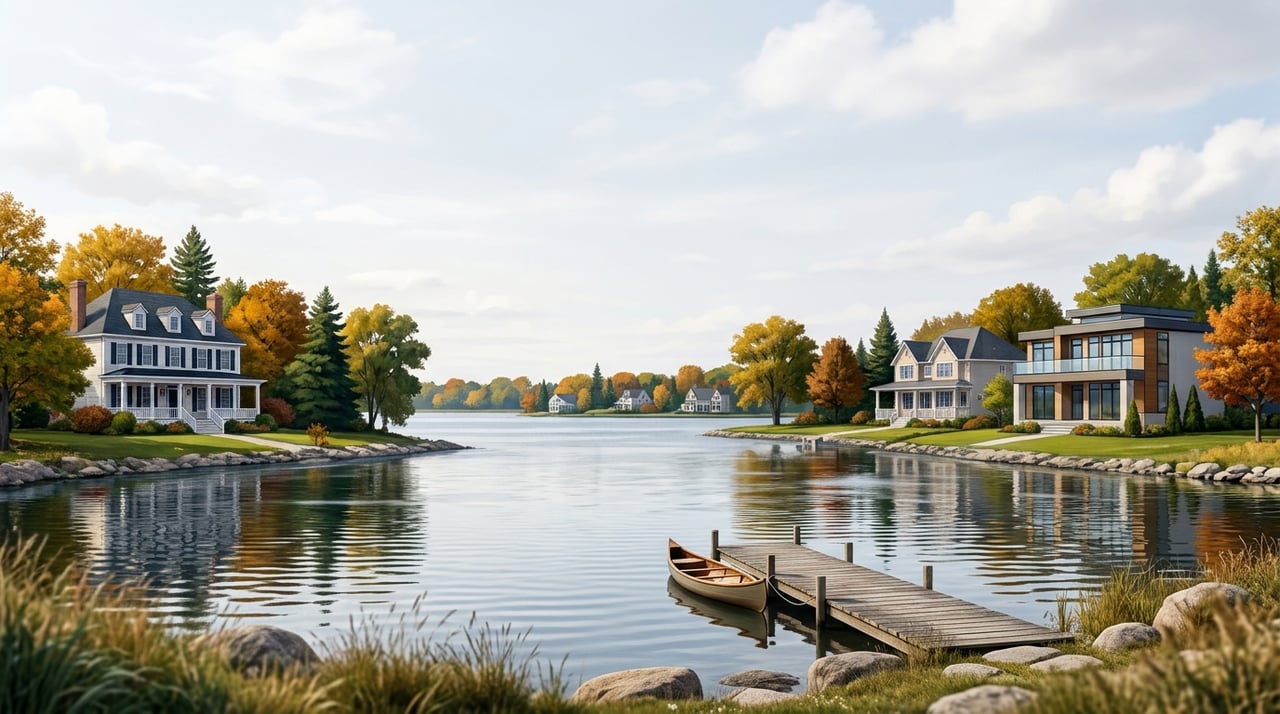
If you are drawn to Old Oakville, chances are you already appreciate its streetscape. The district includes vernacular homes, 19th-century lakeside cottages, turn-of-the-century houses, churches, mature trees, evolved lot patterns, and long views toward Lake Ontario.
For many buyers, that character is the whole point. A heritage-era home can offer a sense of place that is difficult to replicate in a newer infill property or townhome.
Uniqueness you can feel
Older homes often bring details and layouts that feel one of a kind. Even when they need work, they can appeal to buyers who value original materials, established streets, and a home that feels connected to Old Oakville’s history.
That said, uniqueness usually comes with tradeoffs. A charming exterior does not always tell you what condition the systems are in behind the walls.
What a newer build can offer
More predictable ownership
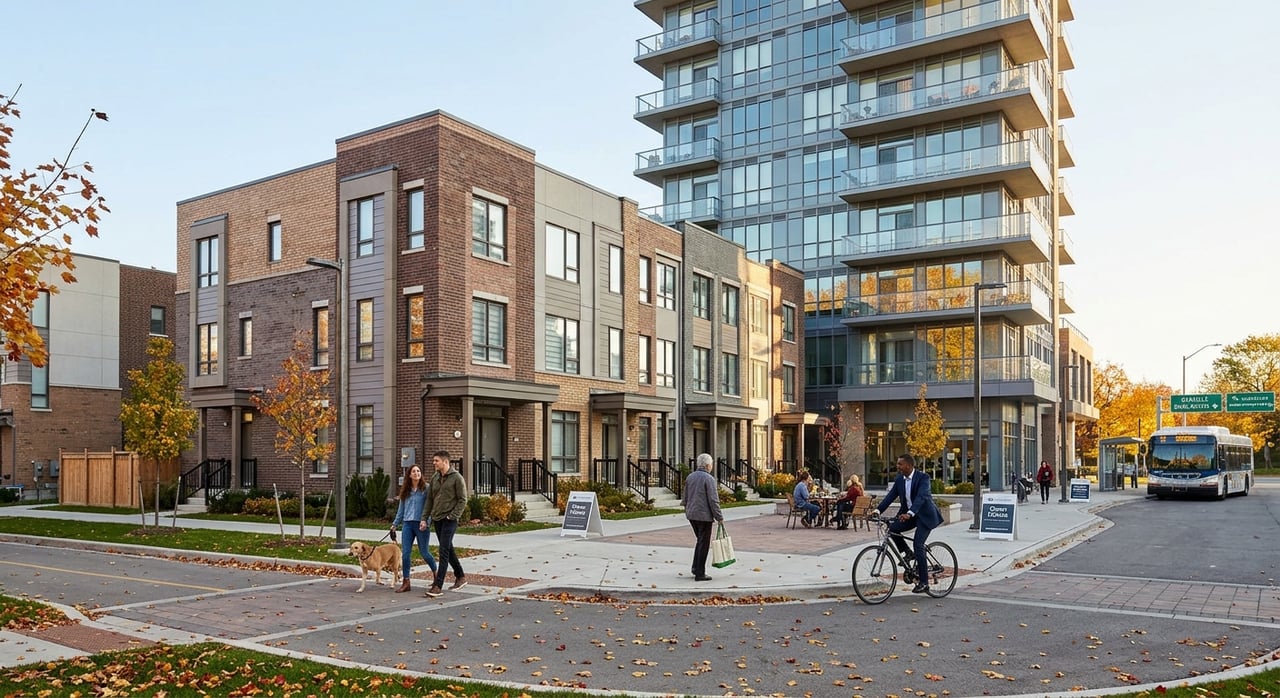
A newer infill home or townhome often appeals to buyers who want fewer near-term projects. While every home needs routine maintenance, newer properties may offer more predictability when it comes to major systems and immediate repair needs.
For some buyers, that peace of mind matters more than historic character. If your goal is move-in readiness and a simpler ownership experience, newer product may feel like the better fit.
Easier day-to-day planning
A newer home can also make future budgeting easier. You may still face approvals for certain changes depending on the site and planning rules, but you are less likely to be starting with older electrical, plumbing, insulation, roofing, or masonry issues that can add cost early on.
In practical terms, a newer property often suits buyers who want a more straightforward ownership path. That can be especially helpful if you want to focus on lifestyle first and renovation second.
The real cost question: maintenance
Older homes need deeper inspection
If you are considering a heritage-era home, look past the finishes. CMHC’s older-home guidance highlights the items most likely to become expensive, including brickwork and chimney pointing, decks and porches, electrical panels, furnace age and fuel source, insulation, plumbing, roof condition, sewage and drains, and windows.
These are the areas that can shift a home from charming to costly very quickly. That is why inspections and realistic budgeting matter so much in Old Oakville.
Budget beyond the purchase price
Homeownership includes more than your down payment and monthly mortgage costs. Routine maintenance, major repairs, and renovations all need to be part of your budget from the start.
For older homes, that may mean planning for a roof replacement, drainage work, or system upgrades sooner than expected. For newer homes, your short-term repair risk may be lower, but you still want to account for regular upkeep and any future improvement plans.
Heritage status can change everything
Listed vs designated matters
Before you fall in love with a property, confirm its legal heritage status. In Oakville, designated heritage properties require a heritage permit for changes, while listed properties do not require a heritage permit.
That one detail can affect your renovation timeline, approval path, and budget. It is especially important now because Oakville is actively designating listed properties ahead of a 2027 deadline tied to provincial changes.
Heritage permits are part of the process
Oakville says heritage permits are free, and many are processed within several business days. Still, applications are reviewed by Heritage Planning staff and the Heritage Oakville Advisory Committee, so more complex projects can take longer.
For buyers, the takeaway is simple: approvals may be manageable, but they should never be treated as an afterthought. If you know you want to make visible exterior changes, permit timing should be part of your decision.
When you want to renovate or rebuild
Additions and tear-downs are more involved
If your plan is to significantly renovate, add on, or rebuild, Old Oakville can become much more complicated. Oakville’s materials note that most renovation, construction, or demolition projects require a building permit.
If an addition requires substantial removal of the existing house, a separate demolition permit is also needed. The Old Oakville Heritage Conservation District study further notes that delegated staff approval does not extend to new buildings or demolition.
Zoning still matters
Even outside of heritage questions, zoning and land use rules can shape what is possible. Under the Livable Oakville Plan, low-density residential areas may permit detached, semi-detached, and duplex housing, while medium-density areas may permit multiple-attached dwelling units and apartments.
So if you are hoping for a townhome-style property, a major addition, or a redevelopment play, the answer depends on the site’s specific designation and zoning, not just the Old Oakville label.
Other approvals can come into play
Some properties may trigger additional review. Oakville notes that additions involving excavation that back onto green space, a river bed, or a wetland need Conservation Halton approval.
The Town also flags tree protection and removal rules, along with possible supplementary or omitted property taxes when a property is improved through construction, an addition, or renovation. These details can affect both timing and total cost.
South or north of Lakeshore Road
Why location within Old Oakville matters
Not every Old Oakville property carries the same heritage context. South of Lakeshore Road is the heart of the heritage area, with the strongest concentration of heritage resources and some of the most visible conservation expectations.
North of the Old Oakville Heritage Conservation District, the planning and heritage context changes. Depending on the property, that may mean a different level of redevelopment flexibility, subject to zoning and overlay rules.
How this affects your decision
If you want the classic Old Oakville experience, south of Lakeshore Road may be where the character is strongest. If you want more flexibility for future changes, a property north of Lakeshore may be worth a closer look.
This is not a hard rule, but it is a useful way to frame your search. The closer your goals align with the planning reality of a specific area, the smoother your ownership experience is likely to be.
A simple framework for deciding
Choose a heritage-era home if you value:
- Distinct character and original architecture
- Mature streetscapes and established lot patterns
- A strong sense of place in Old Oakville
- The idea of preserving and maintaining older features
- Long-term uniqueness over short-term convenience
Choose a newer build if you value:
- More predictable near-term maintenance
- Move-in ready finishes and systems
- Fewer immediate capital projects
- A simpler ownership experience
- Greater focus on function and ease of living
Five smart steps before you buy
1. Confirm the property’s status
Find out whether the home is designated, listed, inside the heritage conservation district, or outside the register. This should be one of your first checks, not one of your last.
2. Inspect the expensive systems
For older homes especially, pay close attention to the electrical panel, heating, insulation, plumbing, roof, windows, brickwork, chimney, and drains. Cosmetic updates should never distract you from the big-ticket items.
3. Map out approvals early
If you are thinking about changes, understand the likely path for heritage permits, building permits, zoning review, demolition rules, conservation approval, and tree-related requirements. It is much easier to assess a home clearly when you know what your future plans may involve.
4. Build a full ownership budget
Include routine maintenance, major repairs, renovation costs, and the possibility of tax changes after improvements. The true cost of ownership is always more than the purchase price.
5. Match the home to your risk tolerance
This may be the most important step of all. A heritage home can be a great fit if you love character and are comfortable with stewardship. A newer infill or townhome may be the better choice if you want predictability and fewer near-term unknowns.
Final thoughts
In Old Oakville, the better choice is rarely about which home is objectively better. It is about which home fits the way you want to live, maintain, and plan for the future.
If you love timeless streetscapes, unique architecture, and the idea of owning something with lasting character, a heritage-era home may be worth the added responsibility. If you want a more streamlined ownership experience with fewer immediate surprises, a newer build may suit you better.
The key is doing your homework before you commit. When you understand the property’s heritage status, approval path, maintenance profile, and location-specific context, you can buy with a lot more confidence.
If you are weighing Old Oakville heritage homes against newer builds, Martin Group can help you compare options with local insight and a clear, practical strategy.
FAQs
What is the difference between a listed and designated heritage property in Oakville?
- A designated heritage property requires a heritage permit for changes, while a listed property does not require a heritage permit.
Do Old Oakville heritage homes allow renovations?
- Yes. Oakville says heritage designation is meant to manage change, not prevent it, and in most cases the protected features are limited to the exterior of the building.
Are newer homes in Old Oakville easier to maintain?
- In many cases, yes. Newer homes often offer more predictable near-term ownership, while older homes may carry higher risk of system upgrades or major repairs.
Does every Old Oakville property have the same redevelopment potential?
- No. Redevelopment potential depends on the property’s specific heritage status, zoning, land use designation, and any other applicable planning or conservation rules.
Why does south of Lakeshore Road matter in Old Oakville?
- South of Lakeshore Road is the heart of the heritage area and has the strongest concentration of heritage resources, which can mean a stronger heritage identity and more visible conservation expectations.
Can improvements affect property taxes in Oakville?
- Yes. Oakville notes there may be supplementary or omitted property taxes when a property is improved through construction, an addition, or renovation.
Frequently Asked Questions
What is the Old Oakville Heritage Conservation District?
It extends south of Robinson Street to the lakefront, from Sixteen Mile Creek to Allan Street, with the densest concentration of heritage resources in the residential area south of Lakeshore Road.
Does heritage protection cover the interior of my home?
In most cases, no. The protected features are generally limited to the exterior of the building — an important distinction for buyers planning interior updates.
Does a heritage designation stop me renovating?
No. Oakville's heritage framework is designed to manage change rather than prevent it. What it changes is the oversight and planning complexity you take on as an owner.
What does a heritage home actually offer?
Character that is difficult to replicate — vernacular homes, 19th-century lakeside cottages, turn-of-the-century houses, mature trees, evolved lot patterns and long views toward Lake Ontario.
What is the trade-off with an older home?
Uniqueness usually comes with maintenance and approval considerations. A charming exterior does not guarantee that the systems, layout or envelope behind it are sound, so inspect thoroughly.
How do I choose between heritage and new build?
Decide how much stewardship and oversight you genuinely want. If you value original materials and established streets, heritage rewards that. If you want to renovate freely on your own timeline, a newer property may suit you better.