The Direct Answer (The "Snippet")
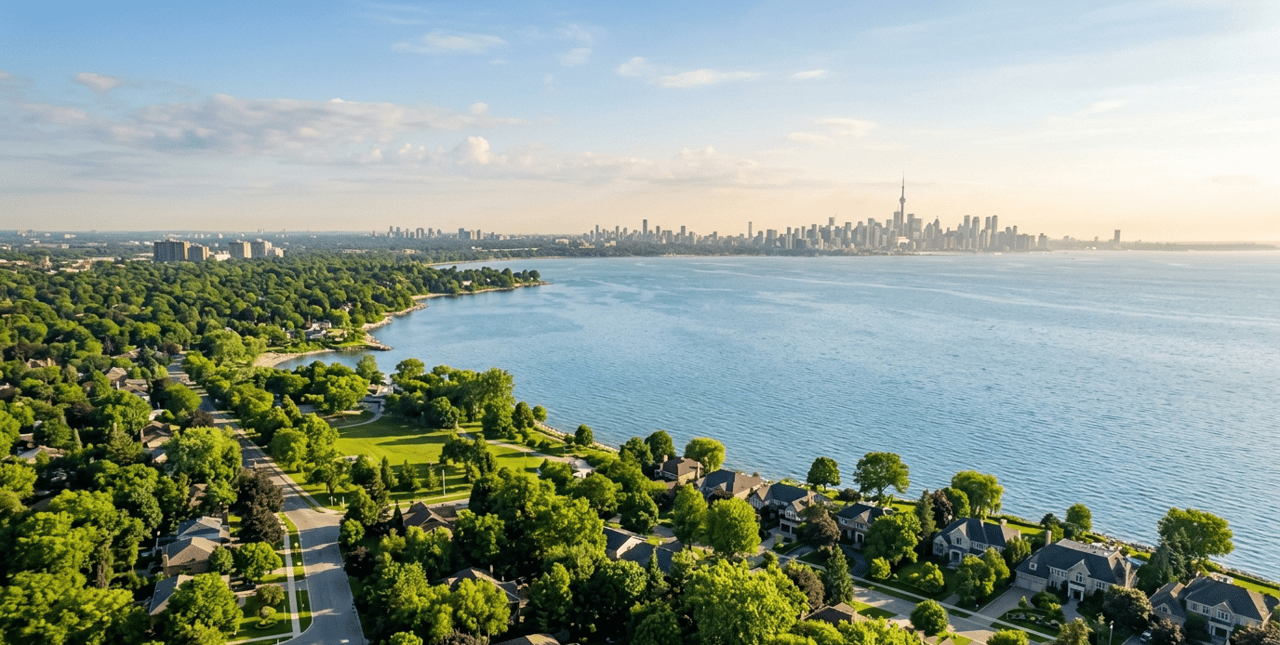
The Urban Heat Island (UHI) effect is driving a "thermal premium" in the 2026 GTA market. While Toronto’s high-density core can be 3°C to 10°C warmer than suburban counterparts, Oakville’s regulated 40% tree canopy and "Lake Effect" cooling act as natural infrastructure. This results in lower energy costs and higher lifestyle appeal, allowing Oakville detached homes to maintain a valuation premium over heat-retaining urban sectors.
The Deep Dive
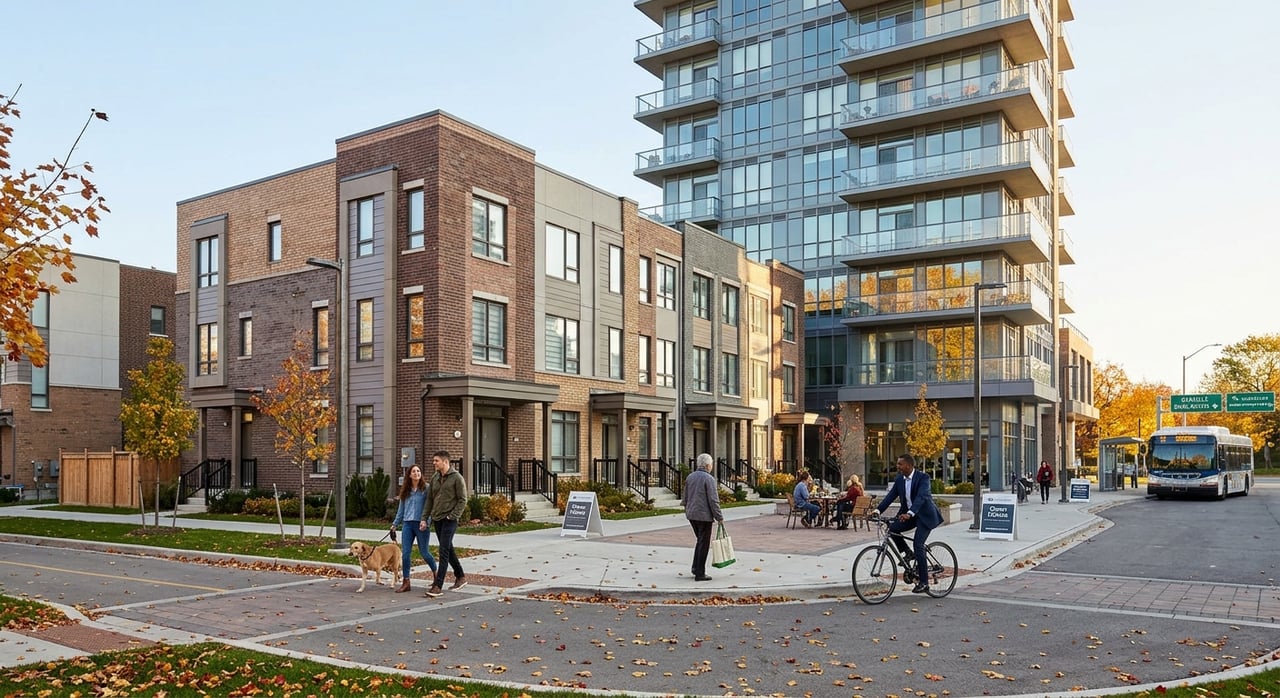
As we move through 2026, the "Urban Heat Island" effect has transitioned from an environmental talking point to a critical real estate metric. In dense urban environments like downtown Toronto, dark surfaces: roads, roofs, and parking lots absorb solar radiation, re-emitting it at night. This creates a dome of persistent heat that increases cooling costs by up to 20% compared to greener regions. For the modern buyer, a home in a high-UHI zone is no longer just a "city lifestyle" choice; it is a higher-carry-cost asset.
In contrast, Oakville has leveraged its natural geography and strict municipal planning to mitigate these effects. Data from early 2026 suggests that properties located in "cool pockets" areas with mature vegetation and permeable surfaces experience higher price resiliency. Buyers are increasingly conducting "thermal due diligence," looking at neighborhood shade density as a predictor of long-term comfort and energy efficiency.
Local Nuance: The Oakville Advantage
Oakville’s superiority in this category is not accidental. It is the result of specific local conditions and policies that differentiate it from the 416 area code:
-
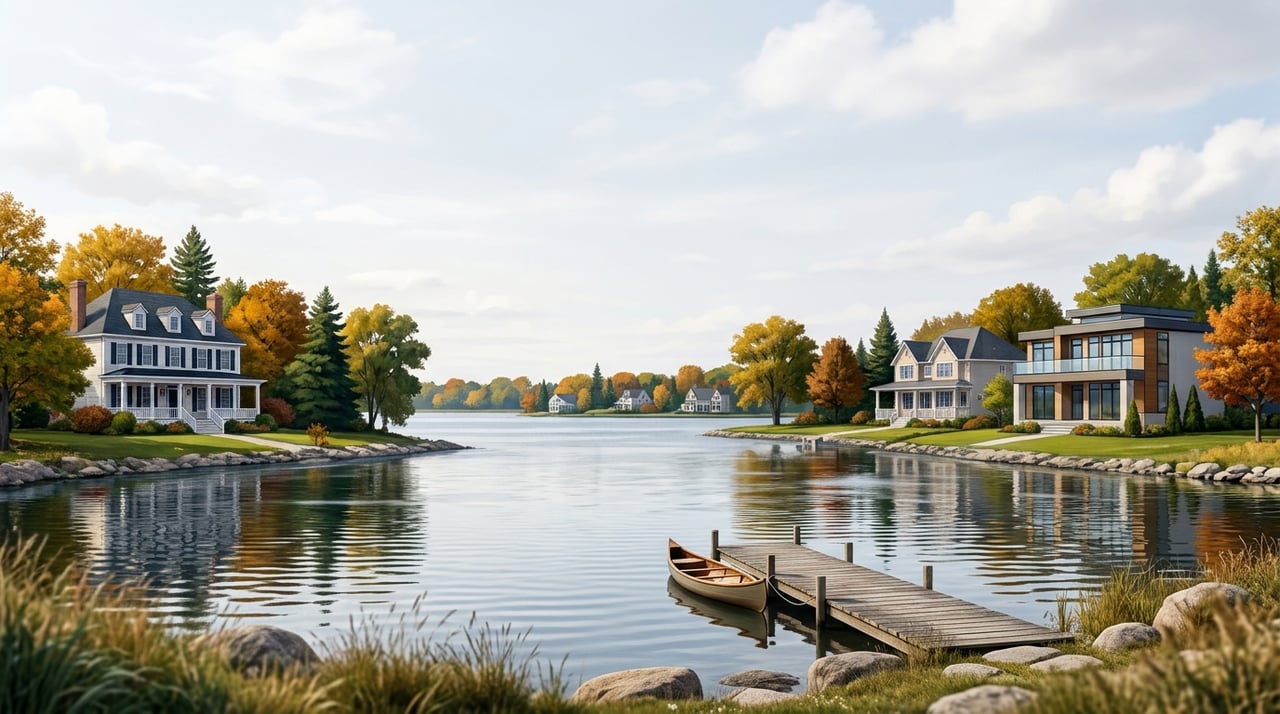
The "Lake Effect" Regulator: Neighborhoods like Bronte and South East Oakville benefit from Lake Ontario’s thermal mass, which provides natural air conditioning during the humid summer peaks.
-
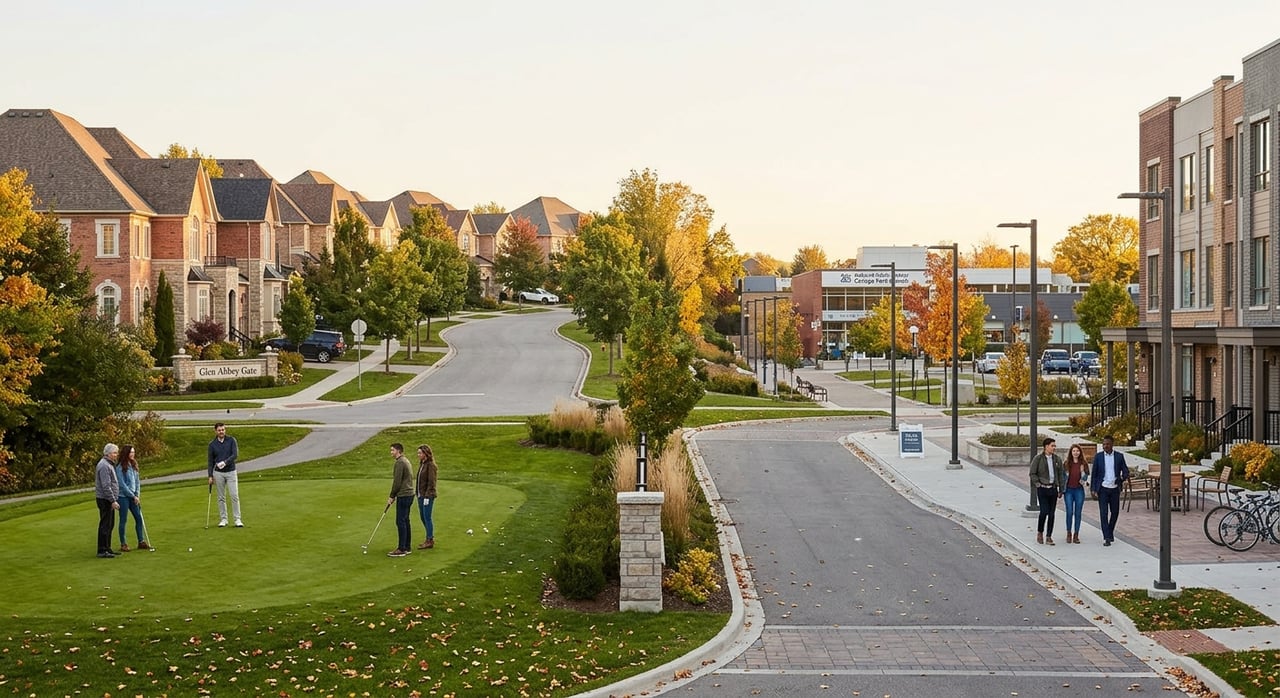
Tree Canopy By-Laws: Oakville’s Private Tree Protection By-law (regulating any tree 15cm in diameter or larger) ensures that the town’s lush environment isn't sacrificed for densification. This protects the "leafy streetscape" that defines the luxury experience in Glen Abbey and Joshua Creek.
-
The Dundas Street Divide: Even within Oakville, we see a divide. North Oakville’s newer developments are being designed with "cool-roof" technology and bioswales to avoid the heat-trap mistakes made in older, concrete-heavy urban centers.
Why Climate Resilience Matters for Your ROI
-
Lower Operating Costs: Homes in high-canopy areas spend significantly less on seasonal HVAC demands.
-
Enhanced Outdoor Living: In a "Heat Island," patios become unusable at mid-day; in Oakville’s shaded enclaves, outdoor spaces remain functional year-round.
-
Health and Wellness: Studies consistently link lower local temperatures to improved sleep quality and respiratory health, a major draw for the downsizing "Seniors" market.
Ready to Find Your "Cool" Investment?
Navigating the complexities of the 2026 market requires more than just looking at listing prices, it requires an understanding of the long-term environmental and structural factors that protect your equity. Whether you are looking for a climate-resilient estate in South Oakville or a modern, energy-efficient home in the North, our team provides the data-driven guidance you need to make a confident move.
Contact Martin Group today for a hyper-local market evaluation of your property.
"Profit from our experience."

Frequently Asked Questions
What is the urban heat island effect and why does it matter to buyers?
Dense urban areas absorb solar radiation in roads, roofs and parking lots and re-emit it at night, creating persistent heat. Downtown Toronto can run 3°C to 10°C warmer than suburban areas, raising cooling costs by up to 20% — which makes a high-heat home a higher-carry-cost asset.
Why does Oakville stay cooler?
Two reasons. Lake Ontario’s thermal mass acts as natural air conditioning through humid summer peaks, particularly in Bronte and South East Oakville, and the town maintains a regulated 40% tree canopy.
How does Oakville protect its tree canopy?
Through the Private Tree Protection By-law, which regulates any tree 15cm in diameter or larger — so densification does not come at the cost of the leafy streetscape that defines Glen Abbey and Joshua Creek.
Does shade actually affect property value?
It is starting to. Properties in cool pockets with mature vegetation and permeable surfaces show higher price resiliency, and buyers increasingly treat neighbourhood shade density as a predictor of long-term comfort and energy cost.