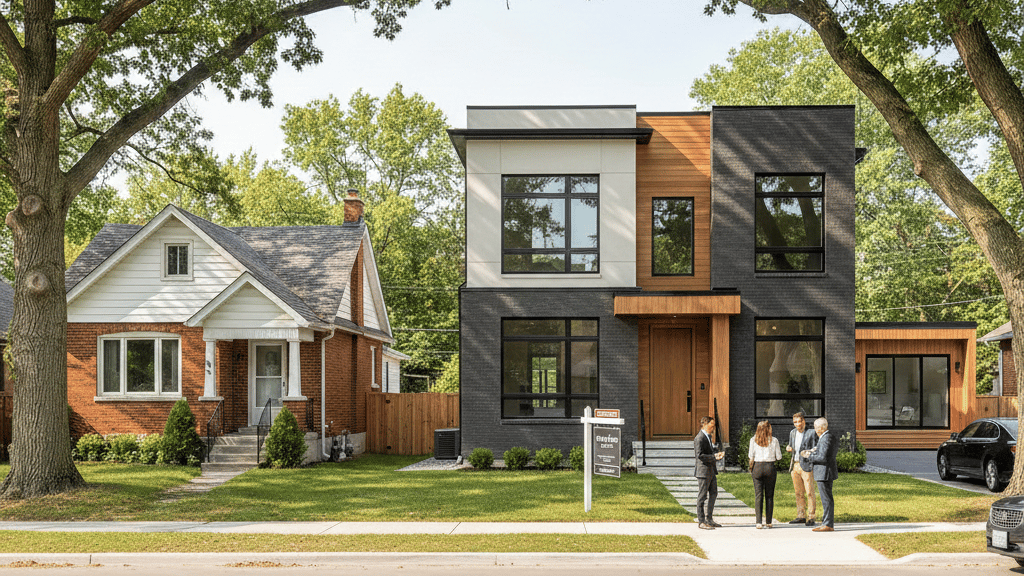
The Direct Answer
In the 2026 Oakville real estate market, infill development the process of replacing or intensifying older properties in established neighborhoods is the most effective strategy for "forcing" equity growth. While market appreciation provides steady gains, infill projects bypass generic trends by transforming underutilized land into high-density or luxury assets. By leveraging Oakville’s finite land supply and recent provincial zoning relaxations, savvy owners can unlock value that traditional market timing alone cannot match.
The Deep Dive: Why Infill Wins in 2026
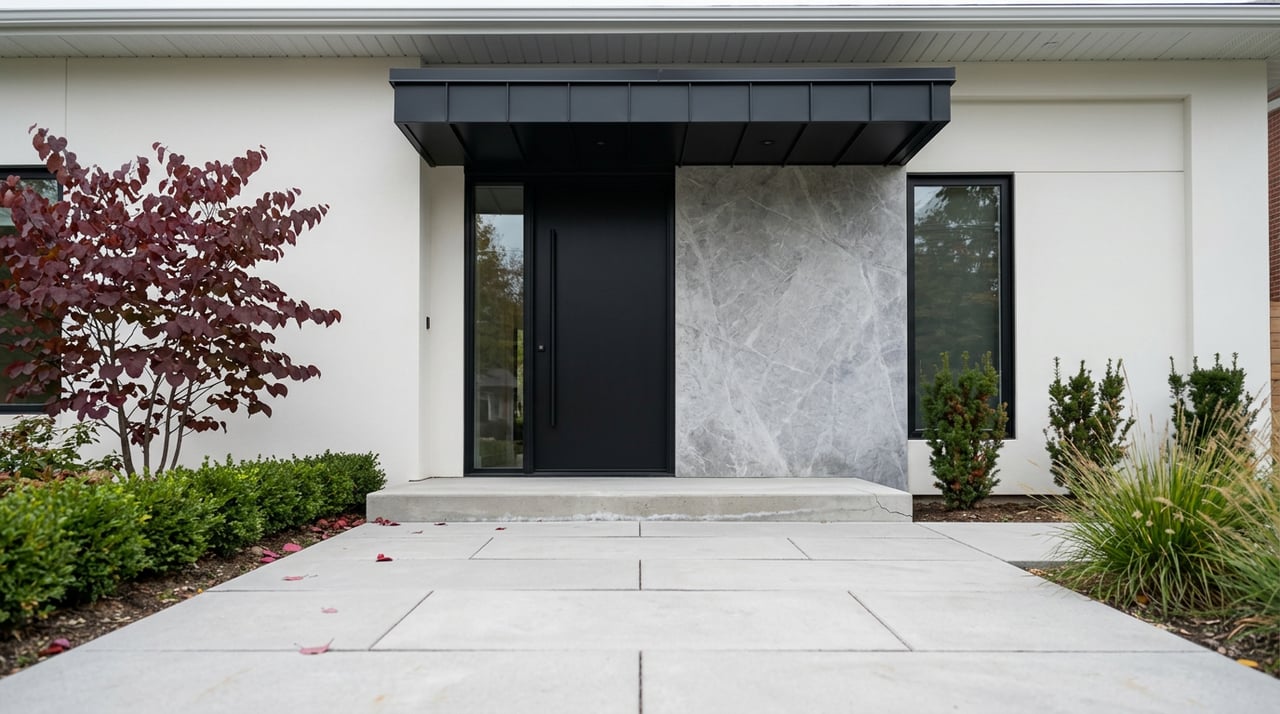
As we navigate 2026, the Oakville market has settled into a state of "Strategic Equilibrium." With the Bank of Canada maintaining a neutral policy rate of 2.25%, the panic of previous years has been replaced by calculated investment. Infill development is particularly potent now because the "modernization gap" the price difference between a dated 1960s bungalow and a "smart-home" integrated new build has reached record highs. In many prestigious pockets, the value is no longer in the structure, but in the potential of the dirt beneath it.
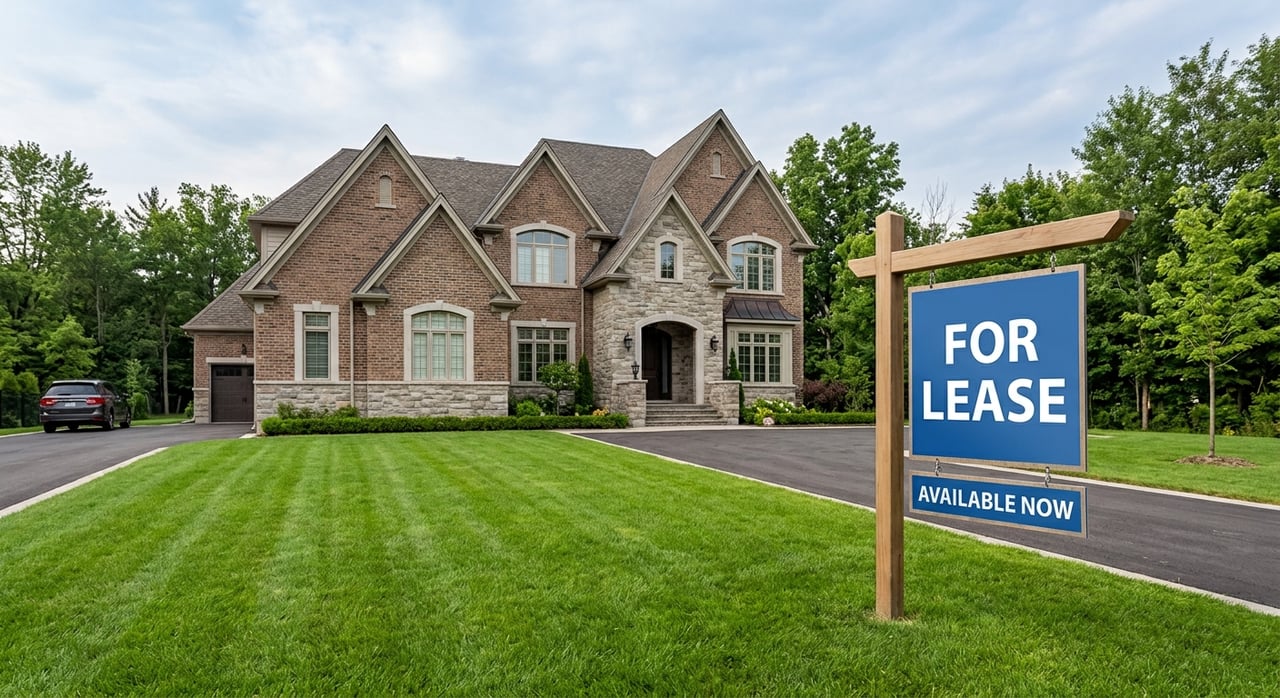
The current regulatory landscape further incentivizes this shift. Following the full implementation of Bill 23, homeowners in Halton can now have at least three residential units on a single lot — and in Oakville up to four on a lot with a detached house — with significantly reduced development charges. This allows for the creation of "Additional Residential Units" (ARUs) like garden suites or coach houses, which provide immediate rental yields while simultaneously boosting the property's "highest and best use" valuation.
Local Nuance: Targeted Growth in Oakville
Success in infill is entirely dependent on neighborhood-specific context. In 2026, we are seeing three distinct opportunities:
-
Bronte Village: The transition from "marine charm" to "modern luxury" is peaking. Older detached lots are prime for boutique intensification, catering to the massive demand from downsizers who refuse to leave the lakeside lifestyle.
-
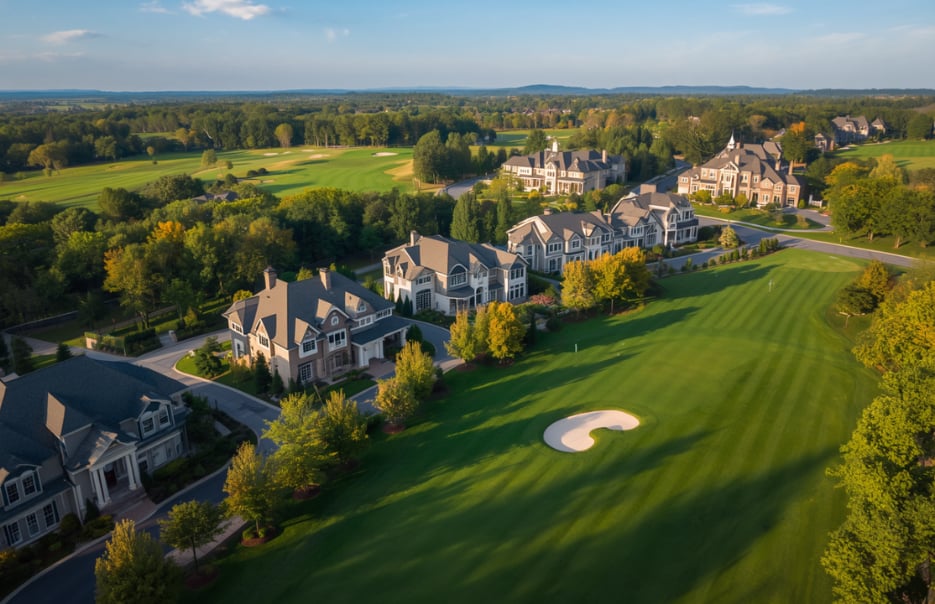
Glen Abbey: Known for its deep lots and elite school catchments like Abbey Park, this area is the "hot zone" for detached garden suites. These secondary units allow families to stay in a top-tier district while generating six-figure equity gains.
-
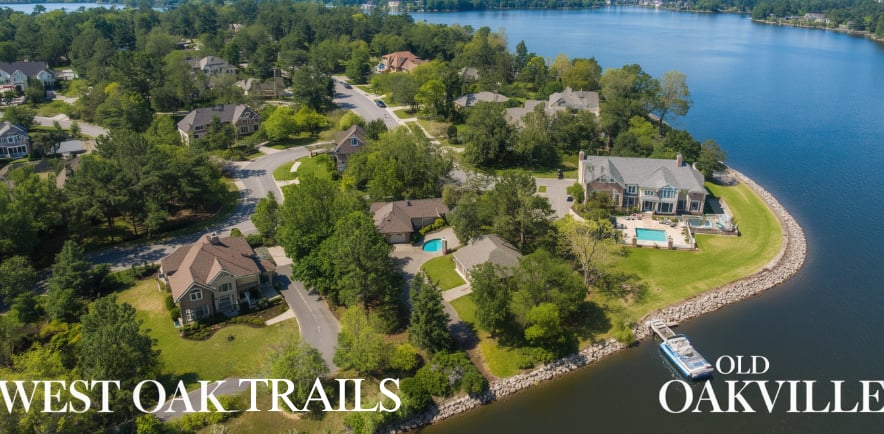
Old Oakville & Kerr Village: While heritage bylaws remain a factor, the shift toward higher-density urban hubs makes land-banking older assets in these pockets a high-alpha play for long-term investors.
Key Equity Drivers for Infill Projects
-
Transit-Oriented Premiums: Properties within walking distance of the Oakville or Bronte GO Stations are seeing a 6% to 9% value premium due to ongoing Metrolinx service expansions.
-
The $1.5M Mortgage Cap: 2026's updated lending rules allow move-up buyers to finance "entry-level luxury" more easily, creating a liquid exit strategy for newly developed infill homes.
-
Infrastructure Efficiency: By building where utilities and top-tier schools already exist, you avoid the "pioneer risk" associated with new subdivisions in North Oakville.
Partner with the Local Experts
Whether you are looking to sever a lot in Bronte, build a luxury custom home in Glen Abbey, or add an income-generating garden suite to your existing property, the margin for error in Oakville’s regulatory environment is slim. Success requires more than just a vision; it demands a deep understanding of local zoning bylaws, architectural trends, and precise market timing.
Don't leave your equity to chance. Partner with the local specialists who understand the unique pulse of the Halton Region. Contact Martin Group today to schedule a strategic consultation and discover how to unlock the maximum value of your real estate investment.
"Profit from our experience."

Frequently Asked Questions
Why is infill development attractive in Oakville right now?
Because the modernisation gap — the price difference between a dated 1960s bungalow and an integrated new build — has reached record highs. In many prestigious pockets the value is in the land rather than the structure.
How many units can I add to an Oakville lot?
Following full implementation of Bill 23, homeowners across Halton can have at least three residential units on a single lot — up to four in Oakville on a lot with a detached house — with significantly reduced development charges.
What is an Additional Residential Unit worth to me?
Two things at once — immediate rental yield, and a lift to the property’s highest and best use valuation, which is what drives the assessed and market value.
Which Oakville neighbourhoods suit infill best?
Bronte Village, where the shift from marine charm to modern luxury is peaking and older detached lots suit boutique intensification for downsizers, and Glen Abbey, whose deep lots and Abbey Park catchment make it the prime zone for detached garden suites that let families stay in a top school area.