The Direct Answer (The "Snippet")
If you don't buy a home within the 15-year limit, your First Home Savings Account (FHSA) must be closed by December 31st of that 15th year. However, you won’t lose your savings. You can transfer the entire balance including all investment growth directly into your RRSP or RRIF tax-free, regardless of your available contribution room. Alternatively, you can withdraw the funds as cash, though this is considered taxable income for that year.
The Deep Dive
The FHSA is designed with a "maximum participation period" that begins the moment you open your first account. This period ends on December 31st of the year you hit your 15th anniversary, the year you turn 71, or the year after your first qualifying home purchase whichever comes first. In 2026, many early adopters are carefully tracking these timelines to ensure their down payment remains protected.
The most advantageous move for residents who reach this limit without buying is a direct transfer to an RRSP. This is essentially a "super-contribution"; it does not impact your existing RRSP deduction room, effectively allowing you to over-fund your retirement savings using the growth accumulated while tax-sheltered in the FHSA. If you choose to take the cash instead, be prepared for a significant tax bill, as the full amount will be added to your 2026 income and subject to immediate withholding taxes.
Local Nuance
In the current Oakville real estate market, we are seeing a "Strategic Equilibrium." With interest rates stabilizing around 2.25%, the 15-year window provides a massive tactical advantage. If you opened an account in the early 2020s, your maturity date likely sits in the late 2030s. This duration allows for significant compound growth, which is vital in high-demand enclaves like Joshua Creek or Bronte Village, where detached homes and luxury townhomes continue to lead in value.
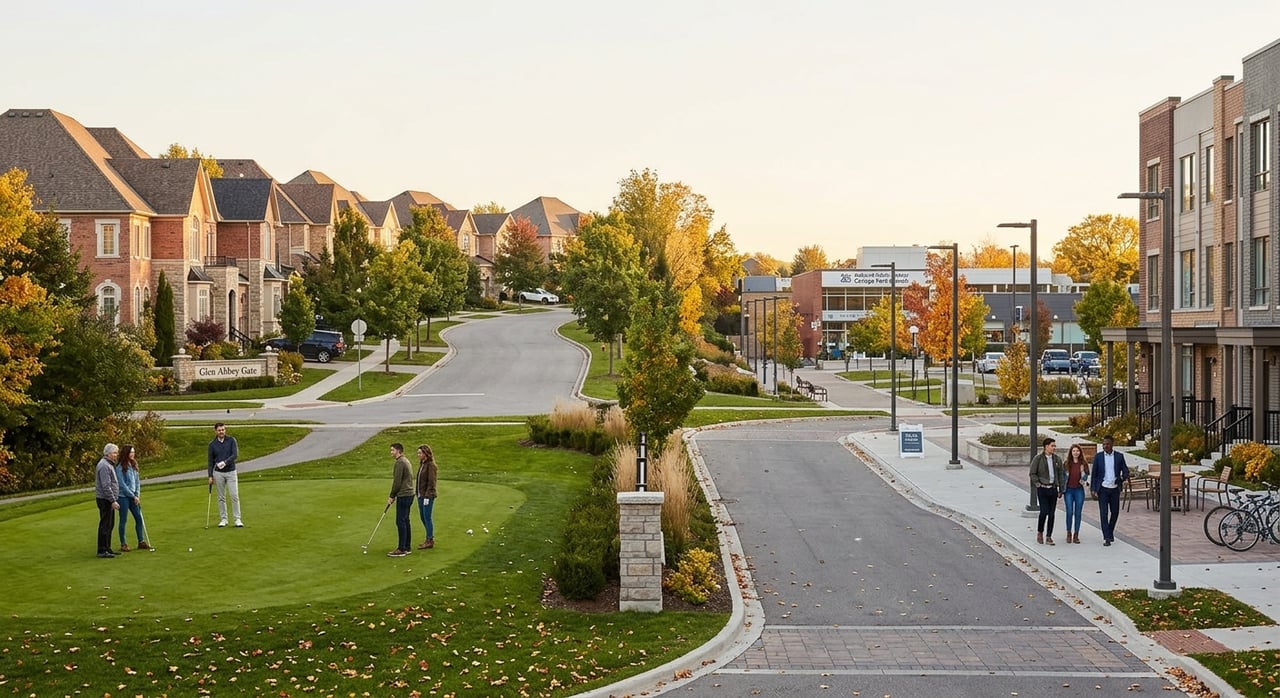
Because the FHSA allows you to carry forward unused deductions indefinitely even after the account is closed you can strategically time your tax hits. For professionals in the Halton Region whose incomes may peak toward the end of that 15-year window, holding onto those deductions to offset a future high-earning year is a sophisticated way to maximize your wealth, even if your plans to purchase a home in neighborhoods like Glen Abbey shift toward a long-term retirement play.
Summary of Options at Maturity
Transfer to RRSP/RRIF: Tax-deferred, does not use up your RRSP contribution room.
Taxable Withdrawal: Funds are paid out as cash and taxed as regular income.
Qualifying Purchase: Use the funds tax-free for a home in Oakville or anywhere in Canada before the deadline.
About the Author
Cory Martin is Broker and Co-Founder of Martin Group, serving Oakville, Burlington and the surrounding Halton communities. Martin Group has performed in the Top 1% by TRREB MLS® sales volume every year since 2008.
Work With the Oakville Experts
Navigating the intersection of tax policy and the evolving Halton property landscape requires more than just a search engine, it requires a partner who understands the local dirt. Whether you are looking to deploy your FHSA funds into a sleek condo in Old Oakville or are pivoting your strategy for long-term growth, contact Martin Group to secure your future.
"Profit from our experience."

Frequently Asked Questions
What happens if I never buy a home with my FHSA?
The account must close by December 31 of your 15th year, but you do not lose the savings — you can transfer the full balance including all growth into an RRSP or RRIF tax-free, regardless of your available contribution room.
When exactly does my FHSA window end?
On December 31 of whichever comes first: your 15th anniversary of opening the account, the year you turn 71, or the year after your first qualifying home purchase.
Why is the RRSP transfer the better option?
Because it acts as a super-contribution — it does not consume existing RRSP deduction room, so you effectively over-fund retirement savings using growth accumulated tax-sheltered inside the FHSA.
What if I take the cash instead?
The full amount is added to your income for that year and subject to immediate withholding tax, which for most people makes it the costlier route.
Do I lose my deductions when the account closes?
No. Unused FHSA deductions carry forward indefinitely even after closure, so you can hold them to offset a higher-income year later — useful if your earnings peak toward the end of the window.