The Direct Answer (The "Snippet")
In 2026, both Oakville and Toronto require short-term rentals (STRs) to be the owner's principal residence (occupied 183+ days/year). However, Toronto enforces a strict 180-night annual cap on entire-unit rentals and a high 8.5% Municipal Accommodation Tax (MAT). Conversely, Oakville has no night limit for principal residences and a more favorable 4% MAT, though it mandates rigorous safety inspections (HVAC/Electrical) and a $2M liability insurance minimum.
The Deep Dive: Compliance and Strategy
The regulatory gap between Oakville and Toronto has widened in 2026, primarily driven by Toronto’s temporary tax hike to fund World Cup hosting costs. Toronto’s 8.5% MAT (effective until July 31, 2026) significantly impacts the bottom line for urban hosts. Furthermore, Toronto’s administrative process is heavily focused on digital registration and nightly caps to protect long-term housing stock.
Oakville takes a "quality over quantity" approach. While there is no cap on how many nights you can rent out your primary home, the Short-Term Accommodation (STA) License process is much more involved. It requires a Canadian Criminal Reference Check, a formal "Parking Management Plan," and evidence of fire and electrical safety compliance. For property owners, this means higher upfront setup costs but lower ongoing tax overhead compared to Toronto, making Oakville a premier destination for luxury "home-away-from-home" experiences.
Local Nuance: Oakville Neighborhood Considerations
In the Halton Region, local bylaws often intersect with neighborhood-specific restrictions that can catch owners off guard:
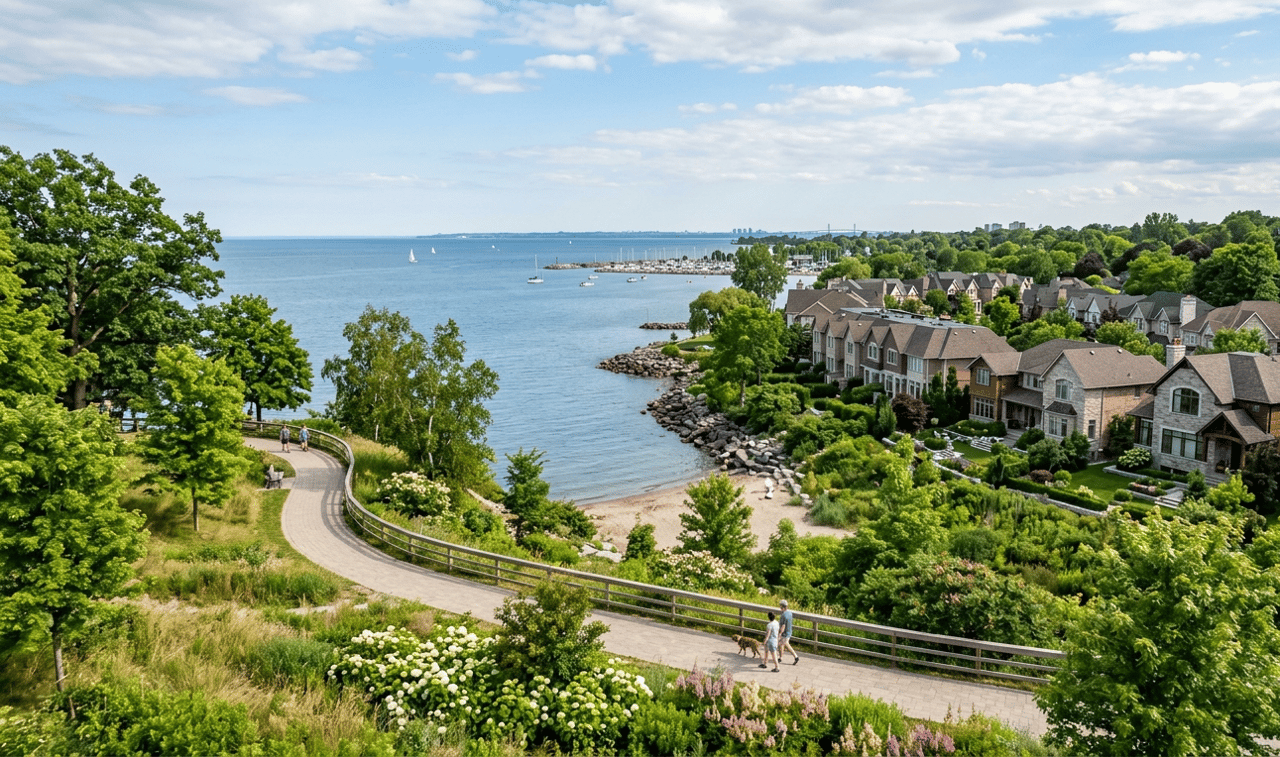
- Bronte & Old Oakville: Proximity to the lake drives peak demand, but many luxury condo boards in these areas have enacted total bans on stays under 28 days. Always verify your Status Certificate before applying for a Town license.
- Glen Abbey: Known for larger family homes, hosts here must strictly adhere to the "Property Maintenance and Parking Plan." Oakville’s demerit point system is aggressive regarding street parking violations.
- The 30-Day Pivot: Due to the 4% MAT and licensing requirements, many investors in Joshua Creek are shifting to "Executive Rentals" (30+ days), which are exempt from both the tax and the STR bylaw entirely.
2026 Quick Comparison Table
|
Feature |
Oakville |
Toronto |
|
Nightly Limit |
Unlimited (Principal Res. only) |
180 Nights/Year (Entire Unit) |
|
Tax Rate (MAT) |
4% |
8.5% |
|
Safety Audits |
Mandatory HVAC/Electrical/Fire |
Self-Certification/Random Audit |
|
Primary Residence |
Required (183+ Days) |
Required |
Ready to Optimize Your Real Estate Portfolio?
Whether you are looking to maximize the rental potential of your primary residence or navigating the transition to long-term executive leasing, local expertise is your greatest asset. At Martin Group, we provide the data-driven insights and regulatory guidance necessary to protect your investment in Oakville’s evolving market.
Contact Martin Group today to ensure your property strategy is positioned for success.
"Profit from our experience."